0

Category: Founder Series

Discover how thriving entrepreneurs transformed their small businesses into industry success stories.

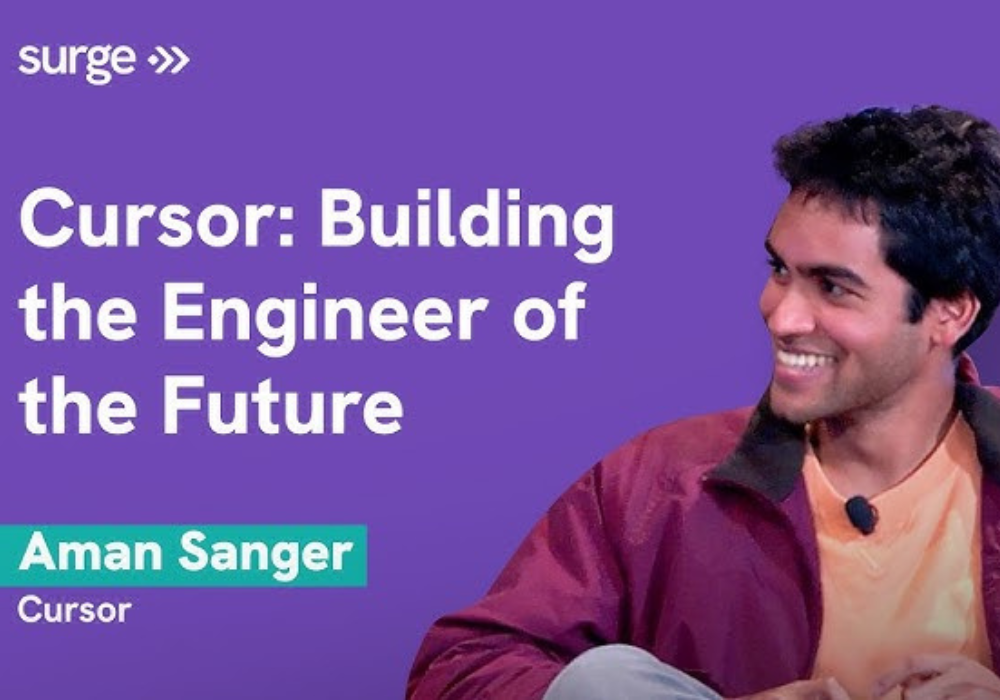
Founder Case Study: Cursor (Anysphere) – The Fastest-Growing Startup EverFounder Case Study: Cursor (Anysphere) – The Fastest-Growing Startup EverFounder Case Study: Cursor (Anysphere) – The Fastest-Growing Startup EverFounder Case Study: Cursor (Anysphere) – The Fastest-Growing Startup EverFounder Case Study: Cursor (Anysphere) – The Fastest-Growing Startup EverFounder Case Study: Cursor (Anysphere) – The Fastest-Growing Startup Ever

Founder Case Study: Cursor (Anysphere) – The Fastest-Growing Startup Ever

Founder Case Study: Cursor (Anysphere): December 2021, MIT Dorm Room

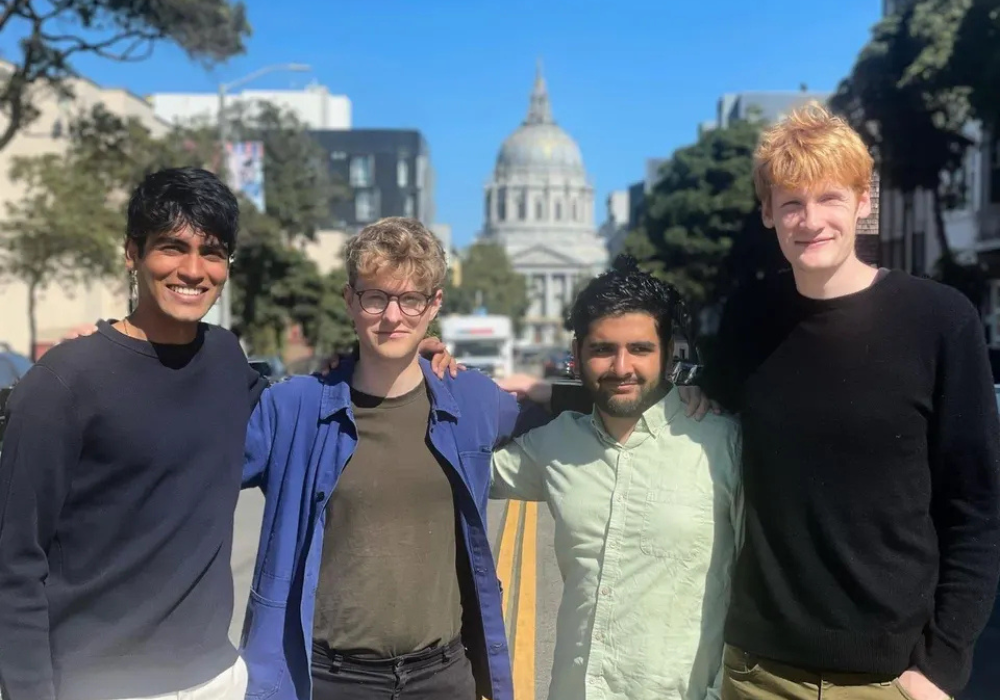
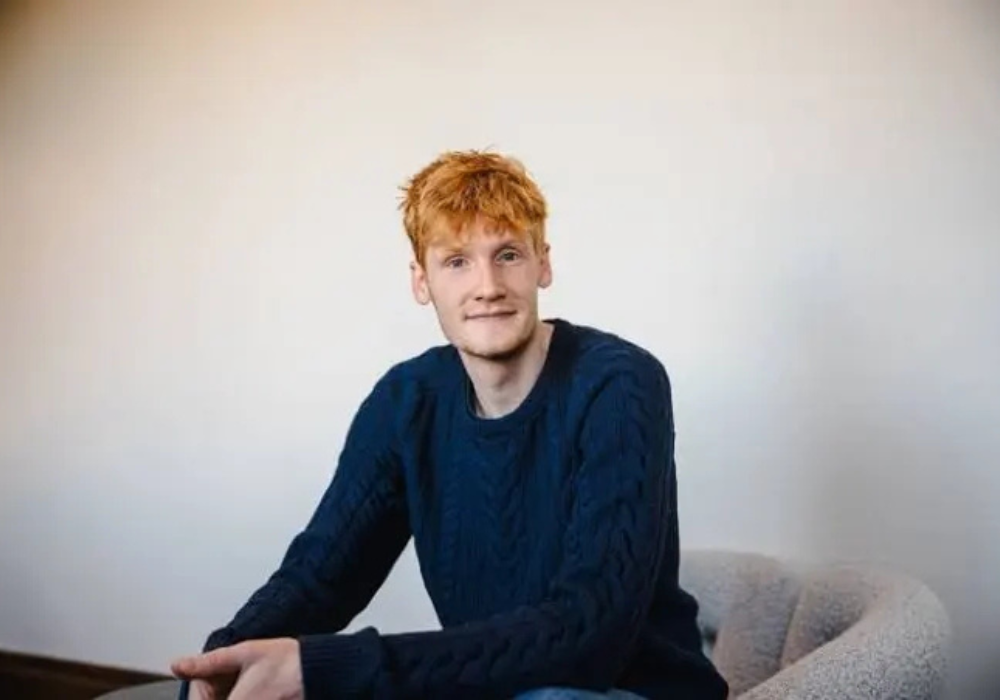
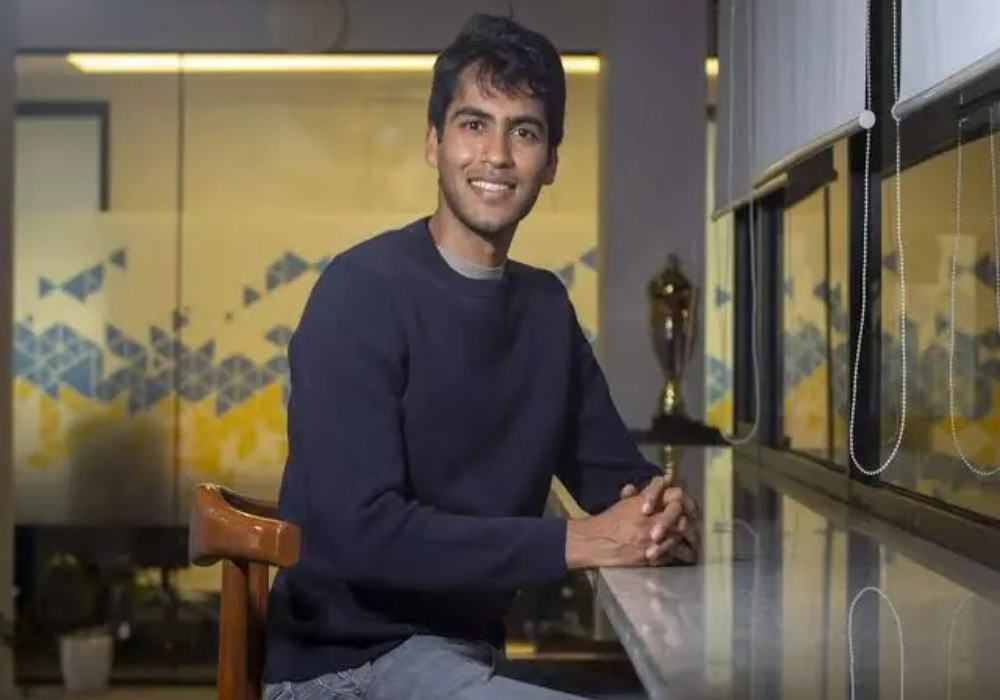
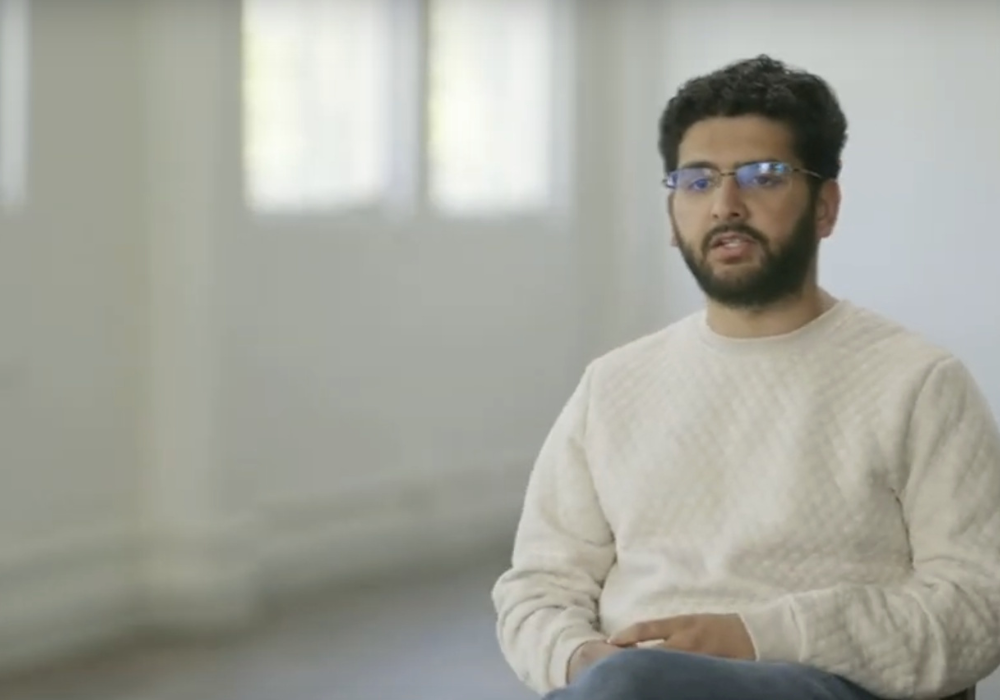
The four of us were huddled around a single laptop, completely stuck. For six months, we’d been building an AI tool for mechanical engineers working with CAD software—computer-aided design. The problem? None of us knew anything about mechanical engineering.

Aman was staring at a visualization of a piston assembly. Sualeh was reading documentation about gear ratios. Arvid was running calculations that looked like ancient Greek to me. We were brilliant at building AI systems but utterly ignorant of the domain we were trying to disrupt. The project was failing, and we all knew it.

Then Sualeh said something that would change everything: “Why are we trying to solve problems for an industry we don’t understand? We’re software engineers. We live and breathe code. Let’s build something for ourselves.”

That night, we pivoted. We decided to build an AI tool for the one thing we actually knew deeply: writing software. We had no idea that this dorm-room realization would lead to the fastest-growing startup in history—from zero to $100 million ARR faster than any company ever, then to $1 billion, then to $2 billion, all in under three years .

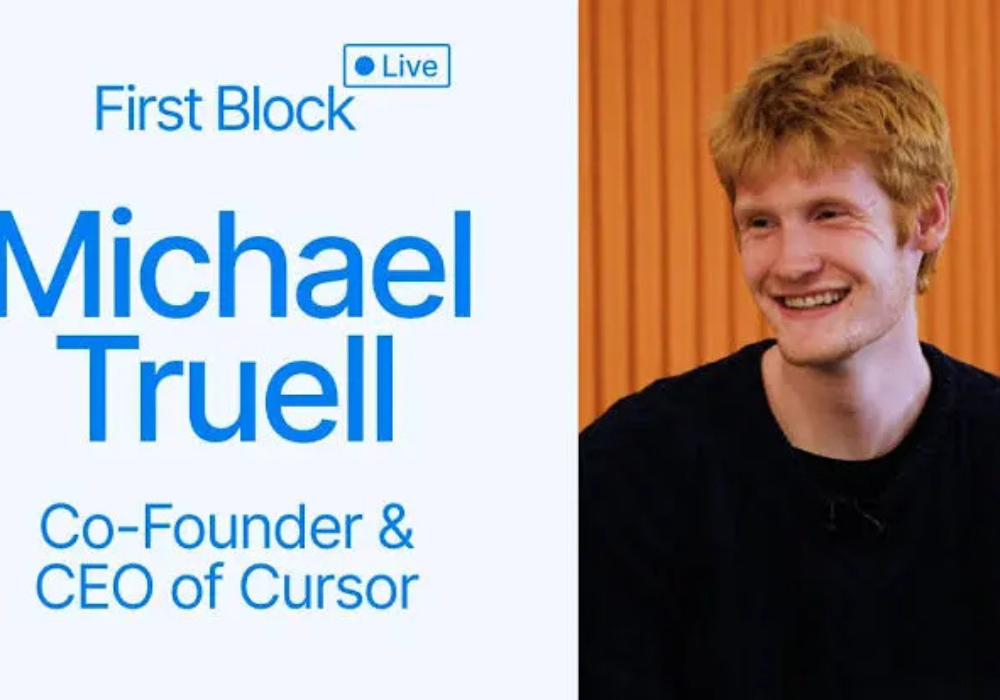
By November 2025, we had raised $3.4 billion from Accel, Coatue, Thrive Capital, a16z, Google, and NVIDIA . Our four MIT-founder team, all under 30, each held stakes worth over $1.3 billion . And it all started because we admitted we were building the wrong product for people we didn’t understand.

continue reading
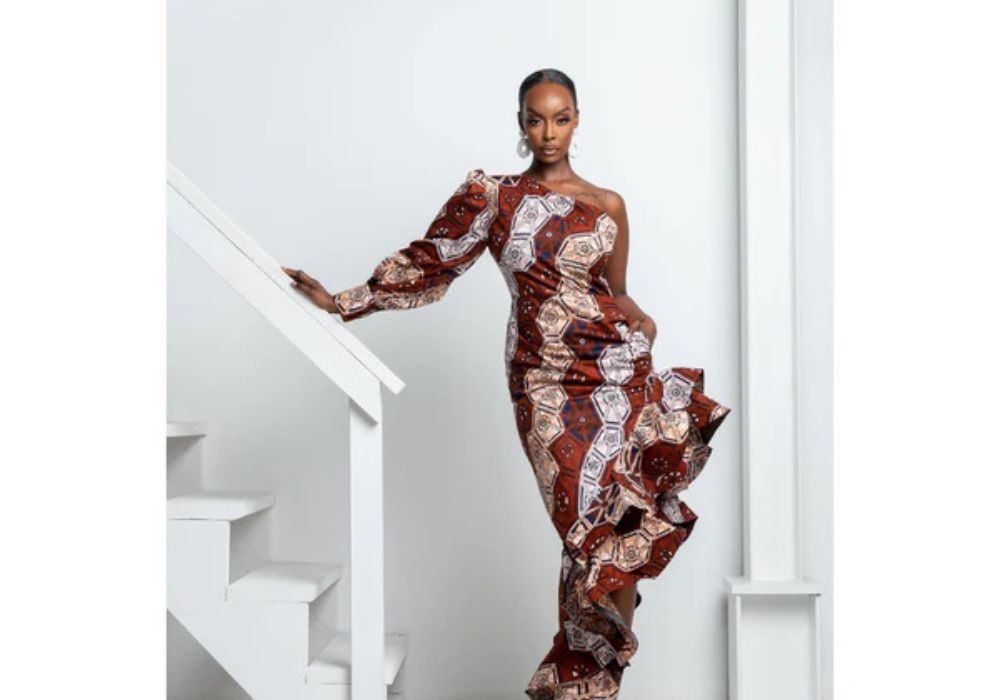
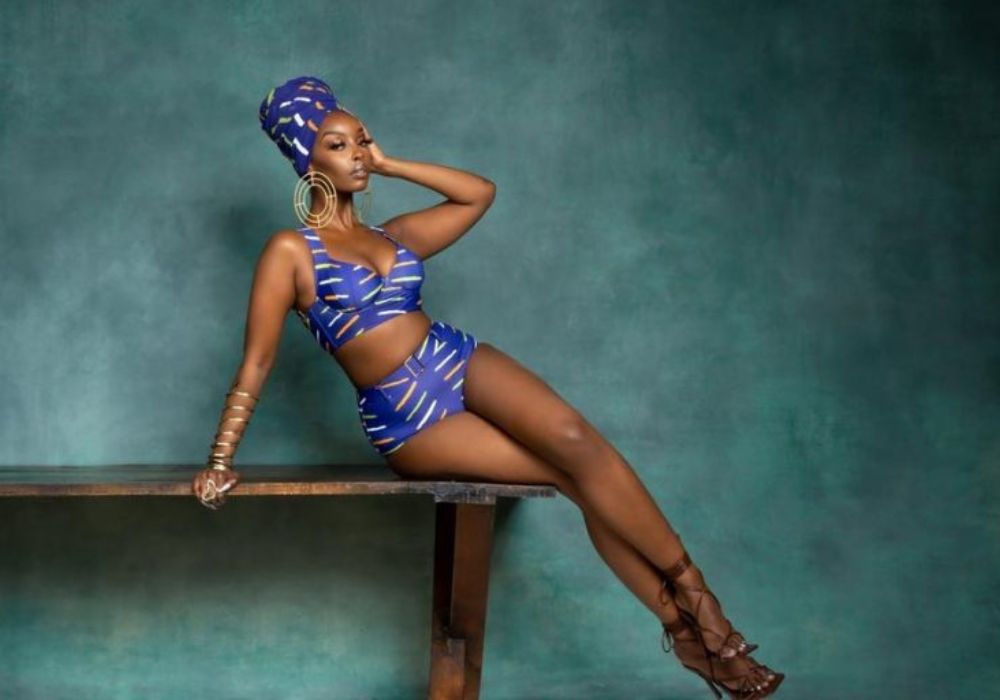
It Is Well: How a Nigerian-Canadian Designer Built a Global Brand Celebrating the African QueenIt Is Well: How a Nigerian-Canadian Designer Built a Global Brand Celebrating the African QueenIt Is Well: How a Nigerian-Canadian Designer Built a Global Brand Celebrating the African QueenIt Is Well: How a Nigerian-Canadian Designer Built a Global Brand Celebrating the African QueenIt Is Well: How a Nigerian-Canadian Designer Built a Global Brand Celebrating the African Queen

It Is Well: How a Nigerian-Canadian Designer Built a Global Brand Celebrating the African Queen

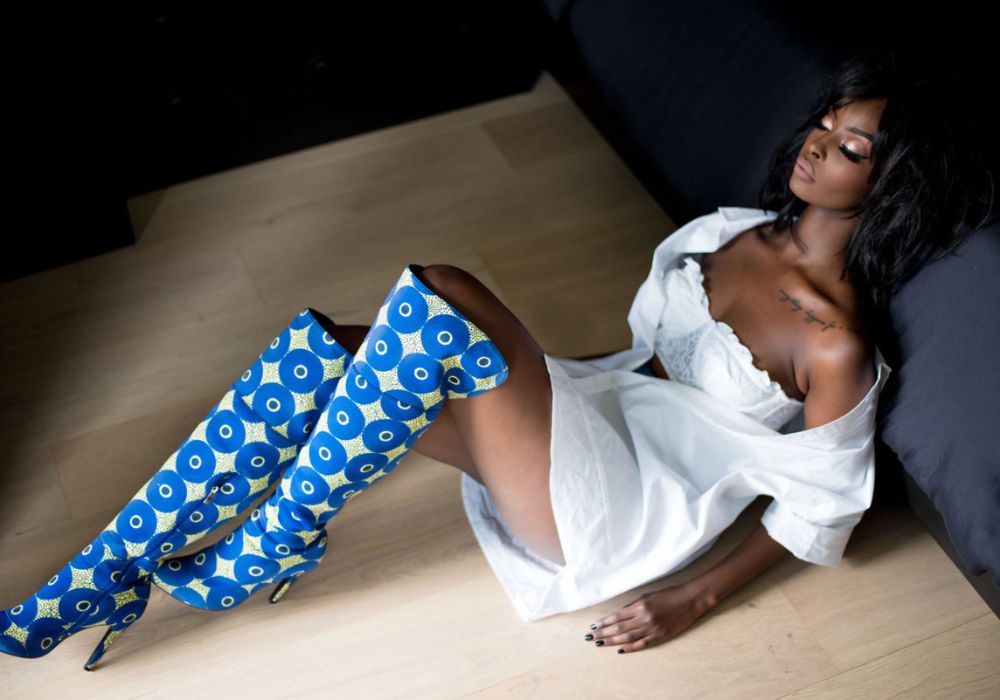
The email came through at 3:47 AM. I was awake, as I often was in those early years, staring at bolts of Ankara fabric piled in my Toronto apartment, wondering if I’d made a terrible mistake. The subject line read: “Kelly Rowland’s stylist.” I almost deleted it as spam.

“We’re interested in featuring ÖFUURË for an upcoming appearance. Do you have the Sunrise Kaftan in a size 6?”

I read it seven times. Then I called my mother in Nigeria, forgetting the time difference. She answered, alarmed. “Tehilah, what’s wrong?” I couldn’t speak. I just sent her a screenshot. She started crying. I started crying. Somewhere in Los Angeles, Kelly Rowland was about to wear a piece of clothing I had designed, made from fabrics that told stories my grandmother taught me.

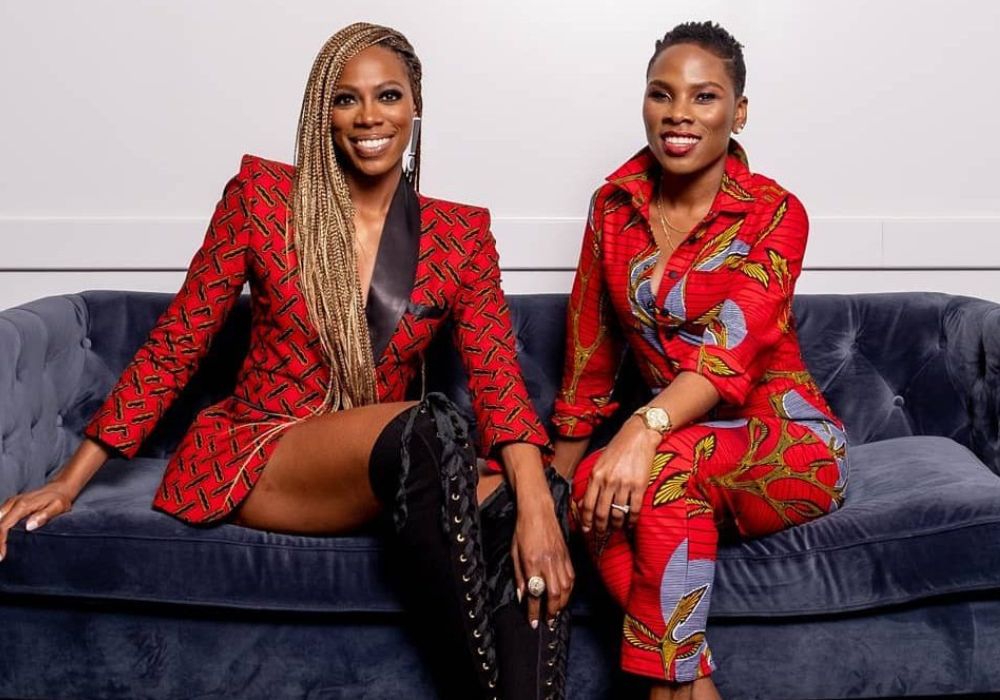
That moment wasn’t just validation. It was proof that the vision I’d carried since 2015—that African aesthetics deserved a global stage, that our vibrant colors and bold patterns could speak to women everywhere—was real. By 2026, our designs would be worn by a constellation of celebrities including Kelly Rowland, Tia Mowry, Nicole Ari Parker, Issa Rae, Yvonne Orji, Gabourey Sidibe, and Danielle Brooks . Our mobile app would be downloaded across 27 languages, from Arabic to Vietnamese . And a word from the Ishan language of Nigeria—Ofure, meaning “it is well”—would become a global fashion statement .

But that night, staring at that email, I was just a girl who believed that Black women everywhere deserved to feel like royalty.

continue reading
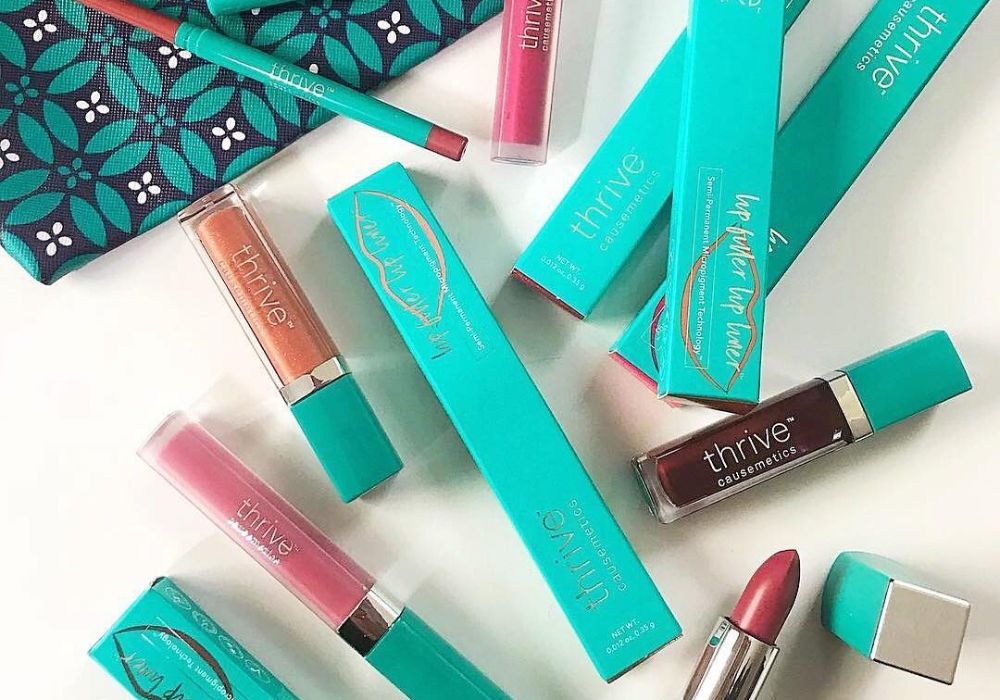
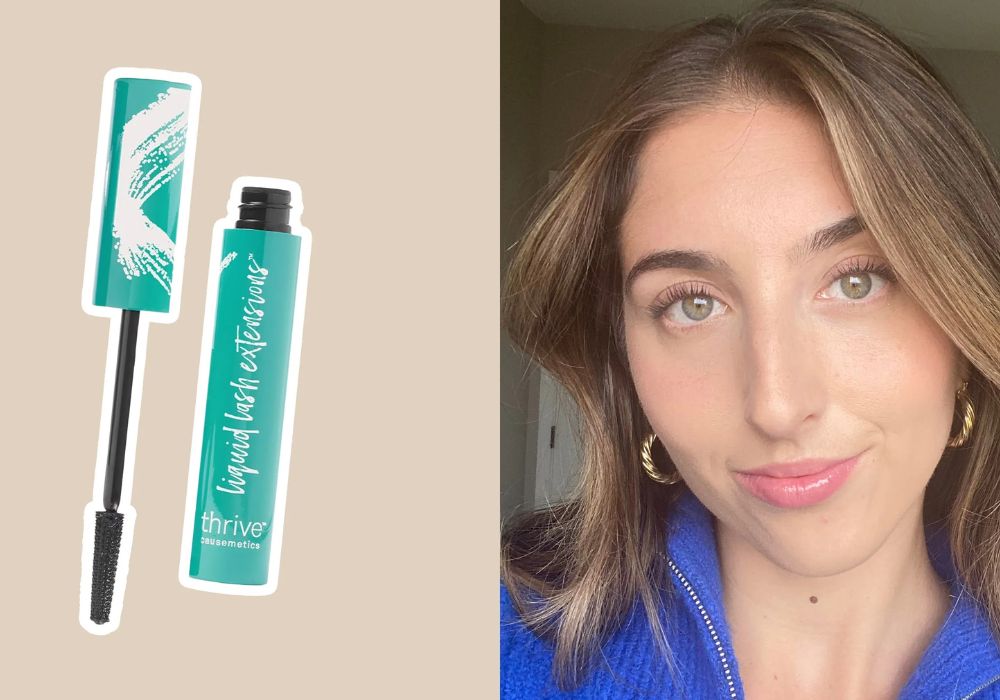
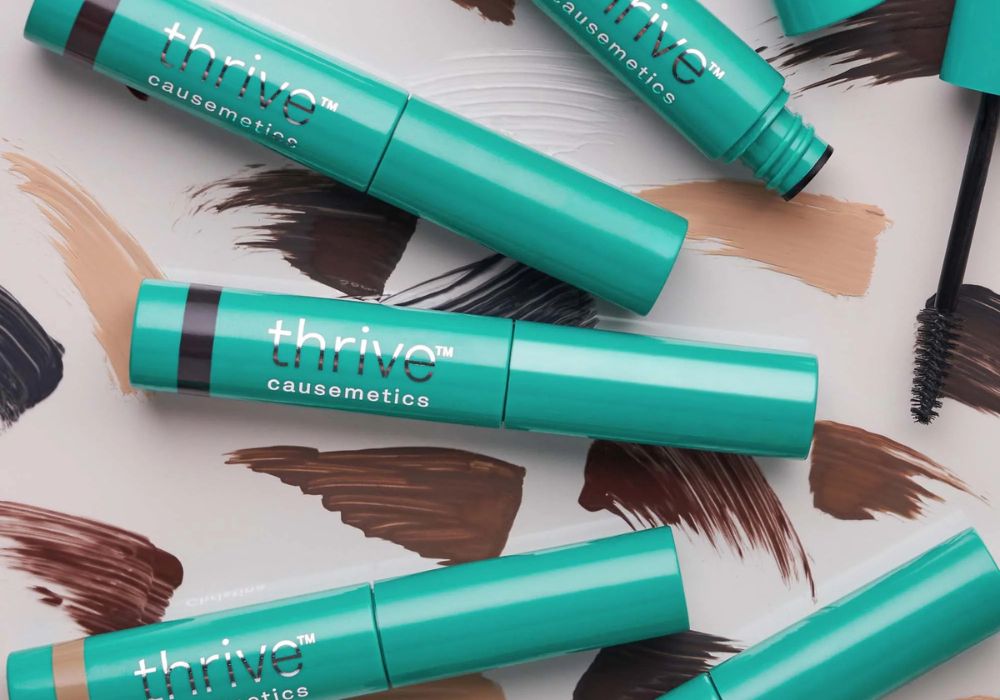
Thrive Causemetics Founder Case Study: How Purpose Built a $450M Beauty BrandThrive Causemetics Founder Case Study: How Purpose Built a $450M Beauty BrandThrive Causemetics Founder Case Study: How Purpose Built a $450M Beauty BrandThrive Causemetics Founder Case Study: How Purpose Built a $450M Beauty BrandThrive Causemetics Founder Case Study: How Purpose Built a $450M Beauty BrandThrive Causemetics Founder Case Study: How Purpose Built a $450M Beauty BrandThrive Causemetics Founder Case Study: How Purpose Built a $450M Beauty BrandThrive Causemetics Founder Case Study: How Purpose Built a $450M Beauty Brand

Thrive Causemetics Founder Case Study: How Purpose Built a $450M Beauty Brand

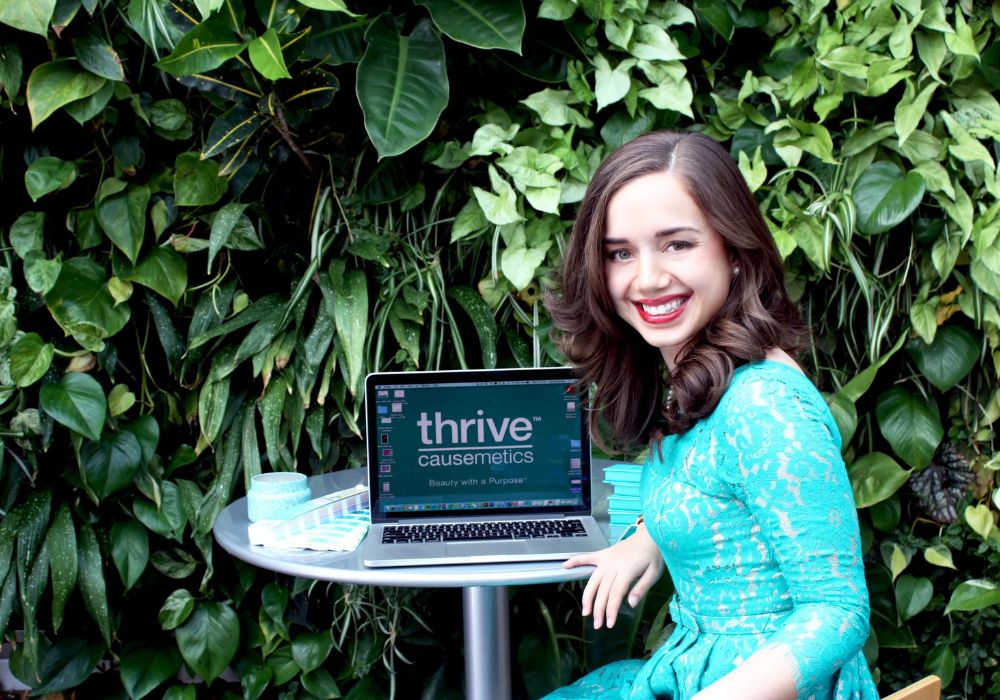
I stood in a drugstore aisle in 2013, my hand trembling as I held a tube of mascara. My mom’s final battle with cancer had ended six months prior. For years, I had watched this vibrant, beautiful woman lose not just her hair and lashes to chemotherapy, but pieces of her identity. The makeup we bought to help her feel like herself was often a disappointment—irritating, ineffective, or tested on animals. In this fluorescent-lit aisle, surrounded by shelves of products that felt disconnected from real human struggle, the clarity was sudden and absolute.

(Reconstructed founder sentiment based on public interviews): “I didn’t just see products. I saw a profound gap between what beauty promised and what it delivered in life’s hardest moments. I saw a need for more than pigment; I saw a need for purpose.”

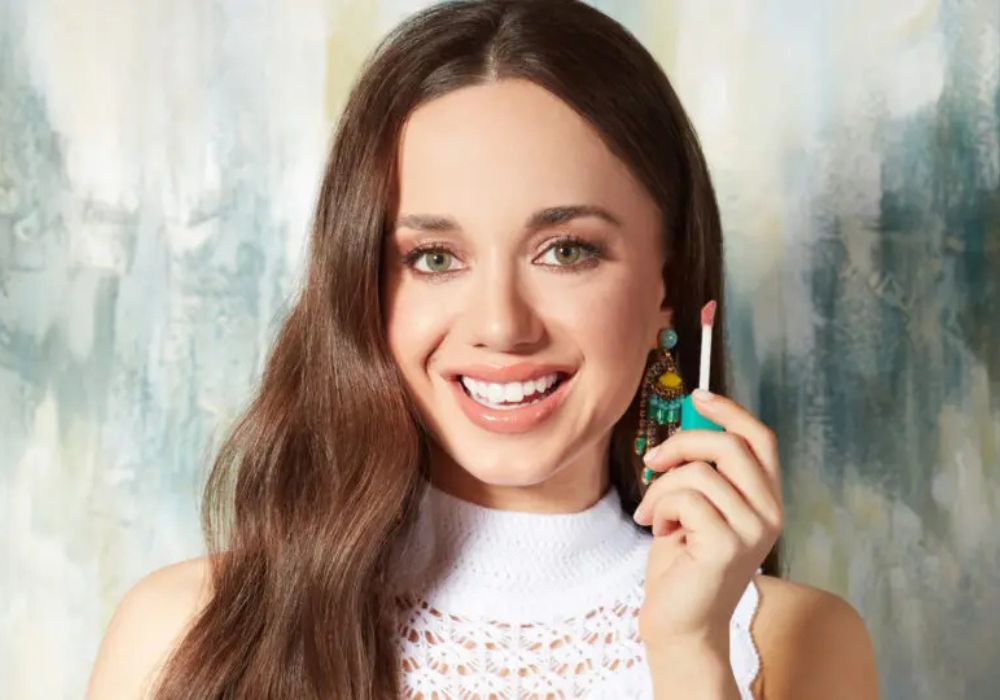
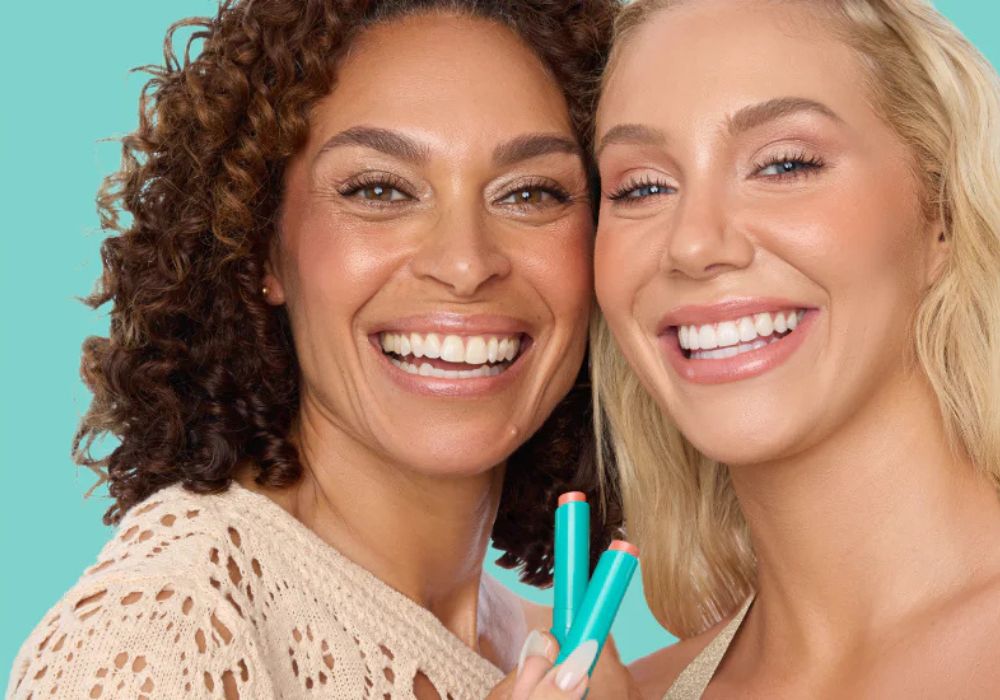
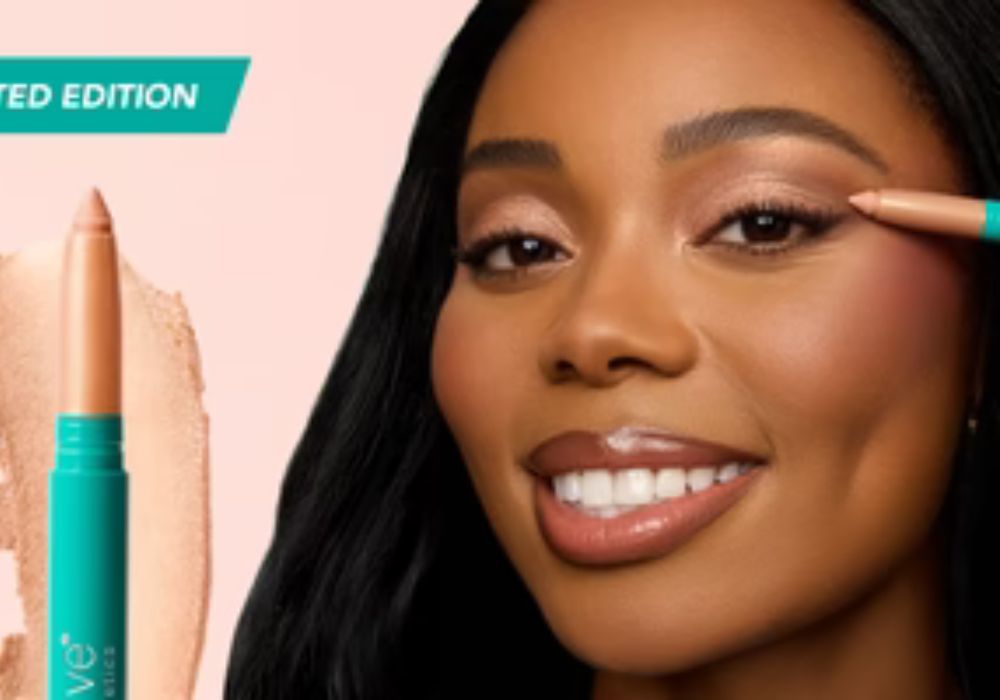
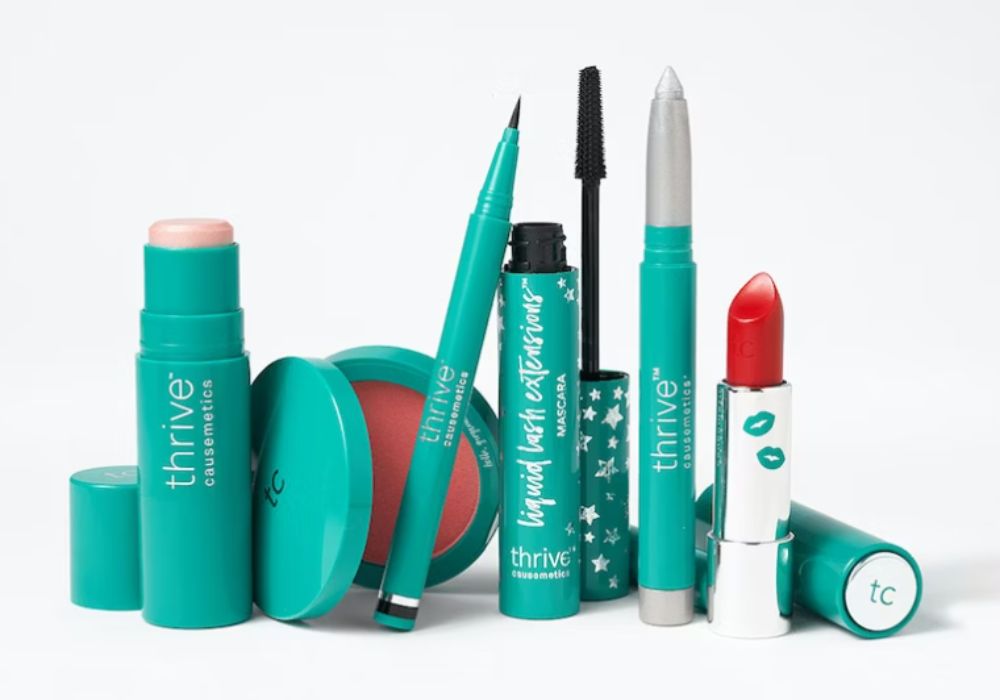
That moment catalyzed a $450M private company. From that personal grief, Thrive Causemetics was born—not as a cosmetic line, but as a vehicle for radical generosity. We launched in 2015 with a single product and an unwavering mission: to create high-performance, vegan, cruelty-free cosmetics that fund donations for women facing illness, trauma, and adversity. In our first full year, we reached $1 million in revenue. By 2021, we were generating an estimated $165 million annually, all while donating over $75 million worth of products and cash grants through our Thrive Causemetics Giving Fund.

continue reading
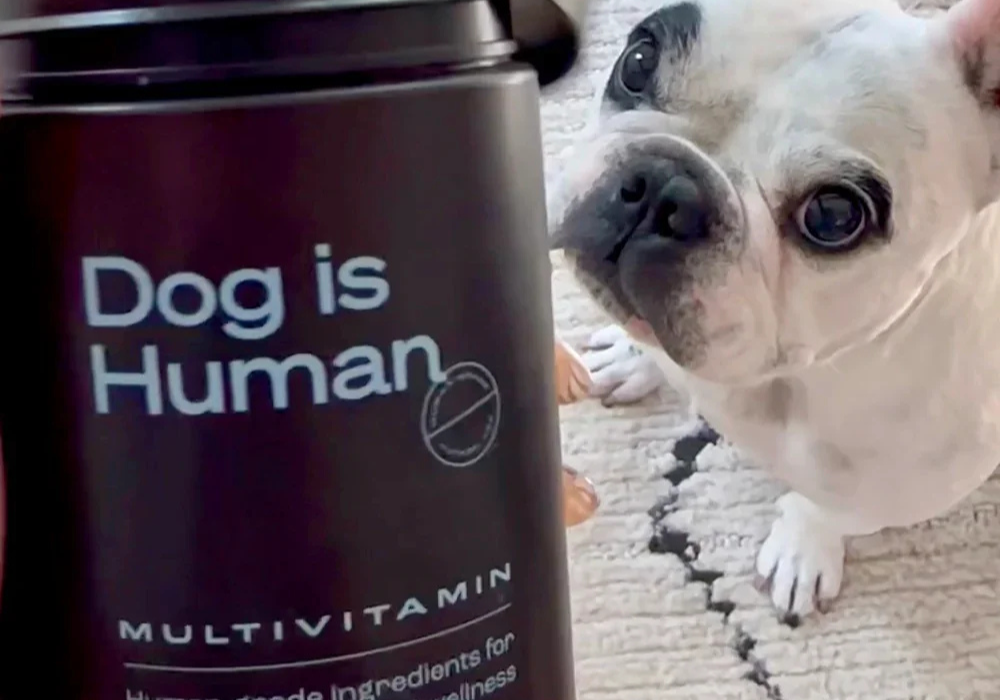
Full Founder Case Study: Dog is HumanFull Founder Case Study: Dog is HumanFull Founder Case Study: Dog is HumanFull Founder Case Study: Dog is HumanFull Founder Case Study: Dog is HumanFull Founder Case Study: Dog is Human

Full Founder Case Study: Dog is Human

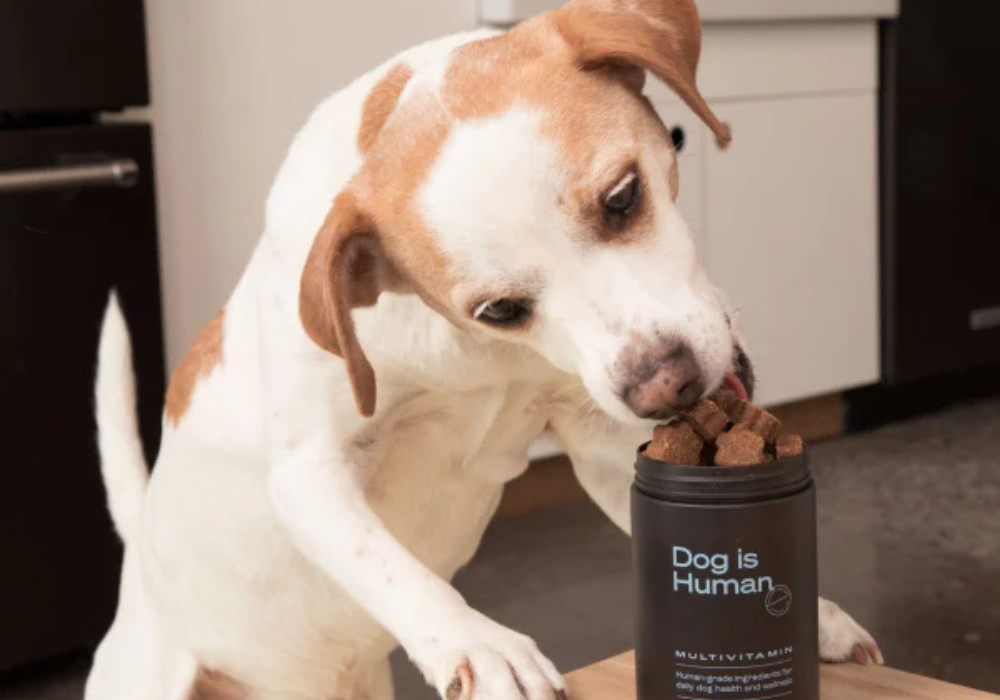
In a world where the mantra Dog is Human resonates, we embarked on a journey to create better choices for dog parents everywhere.

It was early 2022, and Tim and I were standing in the pet aisle of a big-box store, a place that felt more like a pharmacy of confusion. We were holding a leading brand’s multivitamin jar, turning it over in our hands. The ingredient list read like a chemical experiment: palm oil, artificial flavors, preservatives with unpronounceable names. We looked at each other, and the same silent question passed between us: Would we ever put this in our own bodies? The answer was a resounding no. Yet, here we were, expected to give it to our dogs, the creatures we loved as family.

That moment of cognitive dissonance wasn’t just frustration; it was a spark. We saw a massive, undisrupted category built on feed-grade fillers and questionable standards, and we knew a generation of dog parents like us was hungry for something real. The problem wasn’t just on the label; it was in the philosophy. The entire industry was treating dogs as pets. We believed dog is human. We aim to create a brand that resonates with dog parents who believe that Dog is Human.

(Analyst Commentary)
The pet supplement market is a multi-billion dollar industry, but historically, it has been dominated by large, traditional players focusing on mass production and retail distribution. Chen and Mally identified a critical gap: the rise of the “pet humanization” trend, where owners, particularly millennials and Gen Z, seek human-grade quality and transparent sourcing for their animals. They launched into a space ripe for disruption, betting that a direct-to-consumer (DTC) model built on radical transparency and superior ingredients could win the trust—and wallets—of this new demographic

continue reading
en_USEnglish