

0

Category: Founder Series

Discover how thriving entrepreneurs transformed their small businesses into industry success stories.

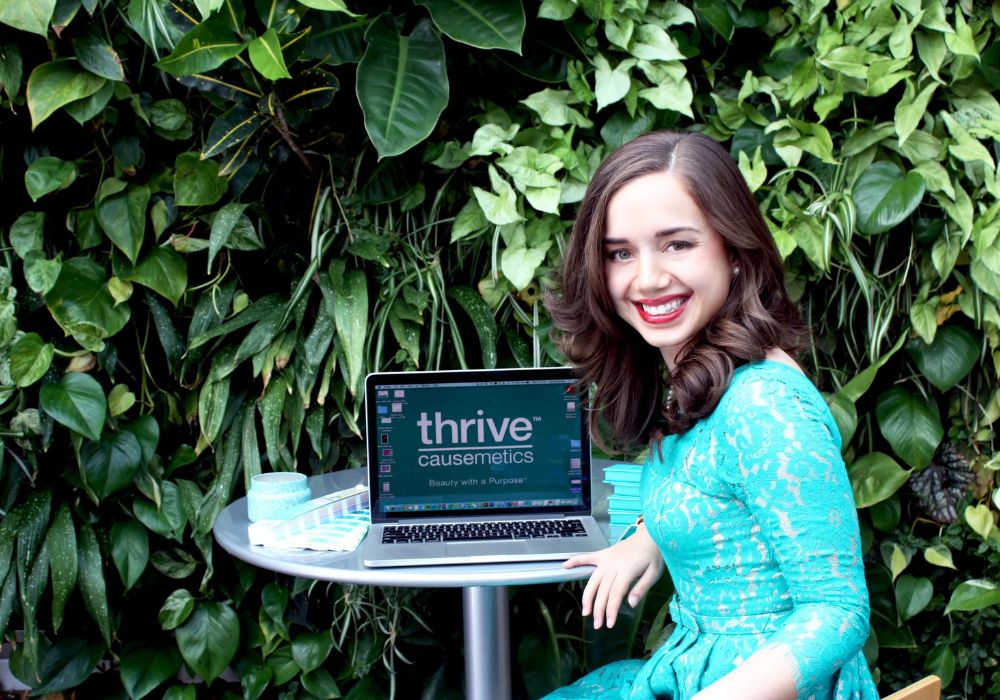
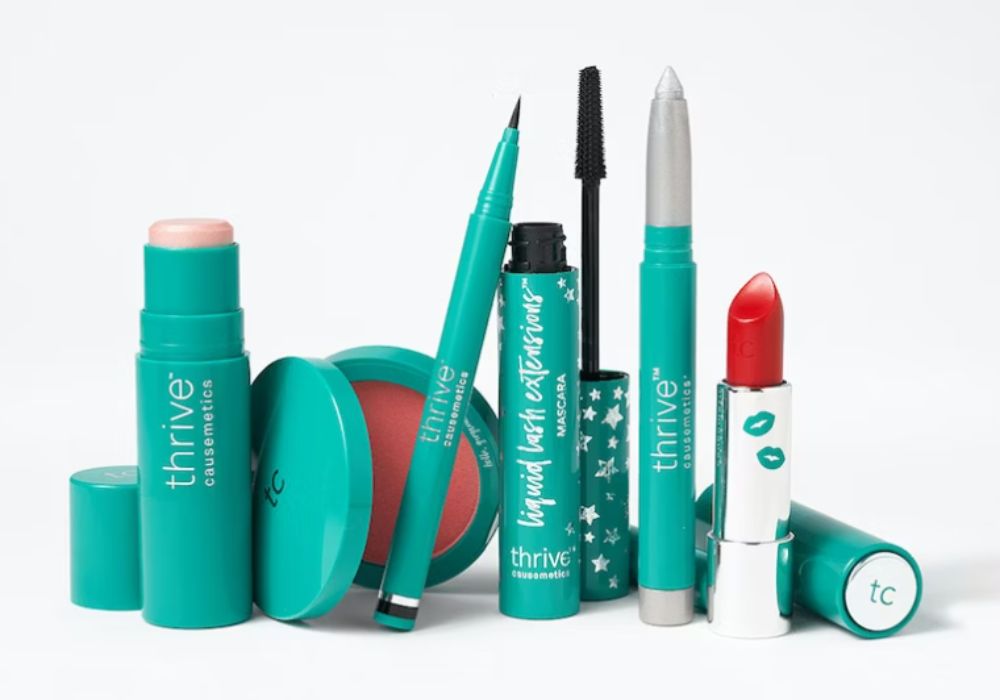
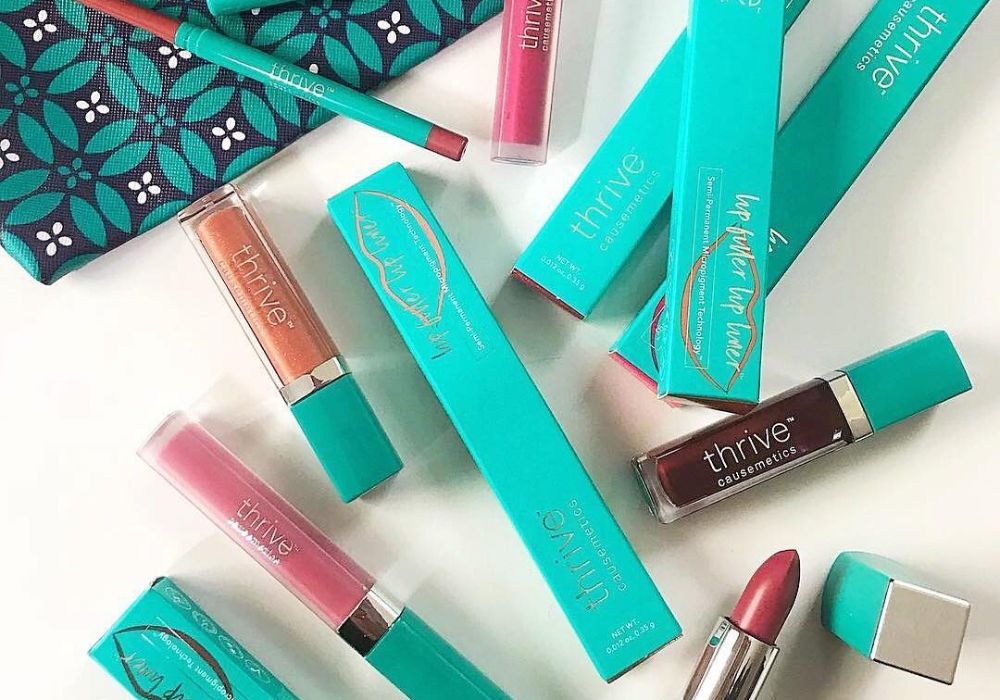
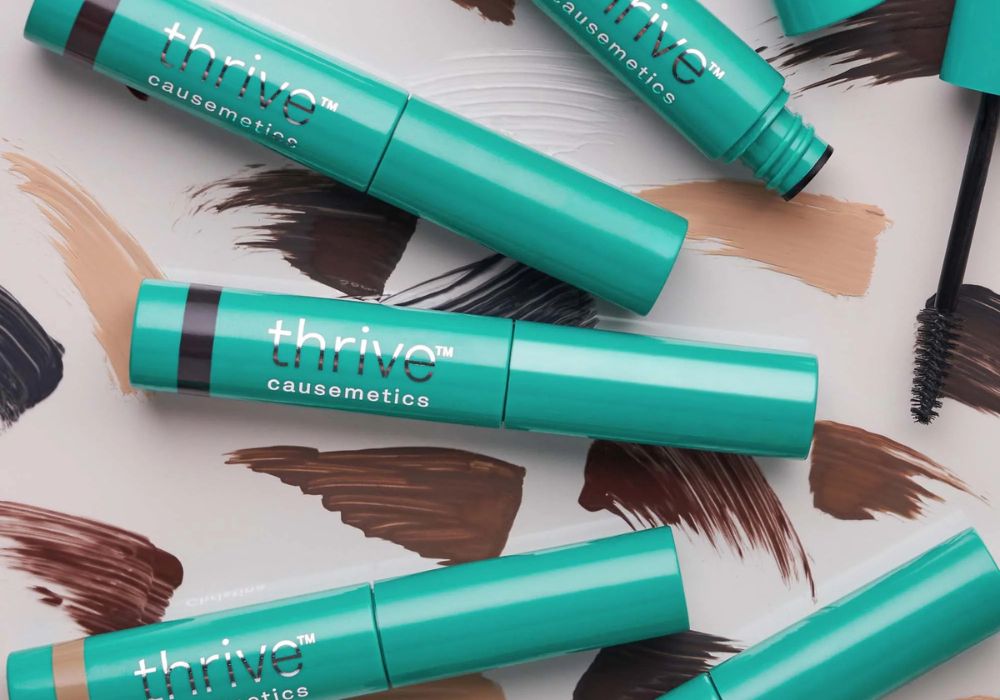
Thrive Causemetics Founder Case Study: How Purpose Built a $450M Beauty BrandThrive Causemetics Founder Case Study: How Purpose Built a $450M Beauty BrandThrive Causemetics Founder Case Study: How Purpose Built a $450M Beauty BrandThrive Causemetics Founder Case Study: How Purpose Built a $450M Beauty BrandThrive Causemetics Founder Case Study: How Purpose Built a $450M Beauty BrandThrive Causemetics Founder Case Study: How Purpose Built a $450M Beauty BrandThrive Causemetics Founder Case Study: How Purpose Built a $450M Beauty BrandThrive Causemetics Founder Case Study: How Purpose Built a $450M Beauty Brand

Thrive Causemetics Founder Case Study: How Purpose Built a $450M Beauty Brand

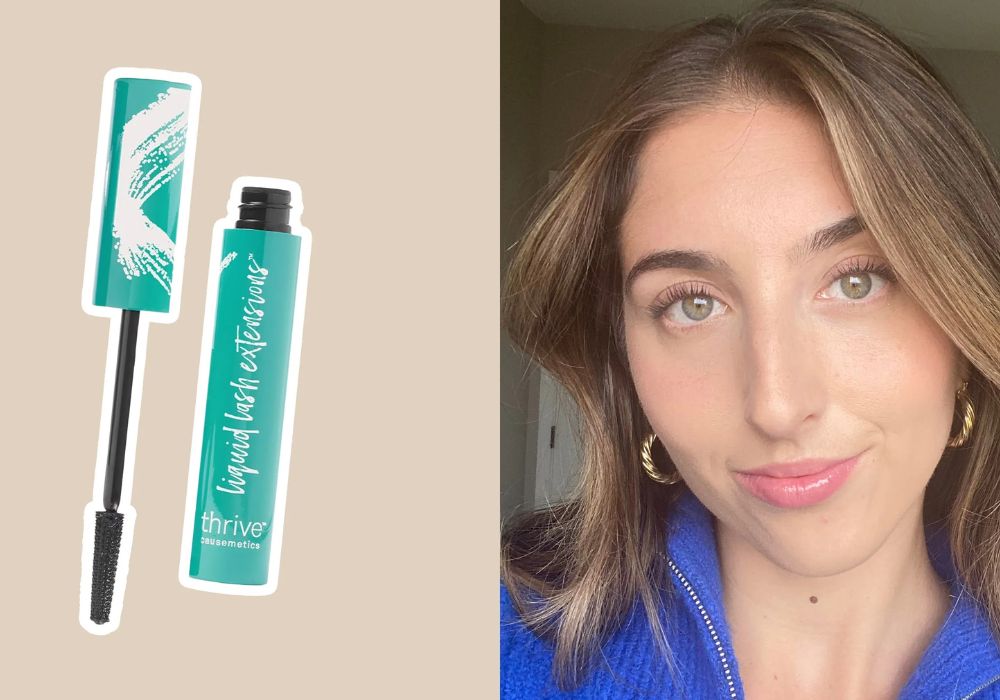
I stood in a drugstore aisle in 2013, my hand trembling as I held a tube of mascara. My mom’s final battle with cancer had ended six months prior. For years, I had watched this vibrant, beautiful woman lose not just her hair and lashes to chemotherapy, but pieces of her identity. The makeup we bought to help her feel like herself was often a disappointment—irritating, ineffective, or tested on animals. In this fluorescent-lit aisle, surrounded by shelves of products that felt disconnected from real human struggle, the clarity was sudden and absolute.

(Reconstructed founder sentiment based on public interviews): “I didn’t just see products. I saw a profound gap between what beauty promised and what it delivered in life’s hardest moments. I saw a need for more than pigment; I saw a need for purpose.”

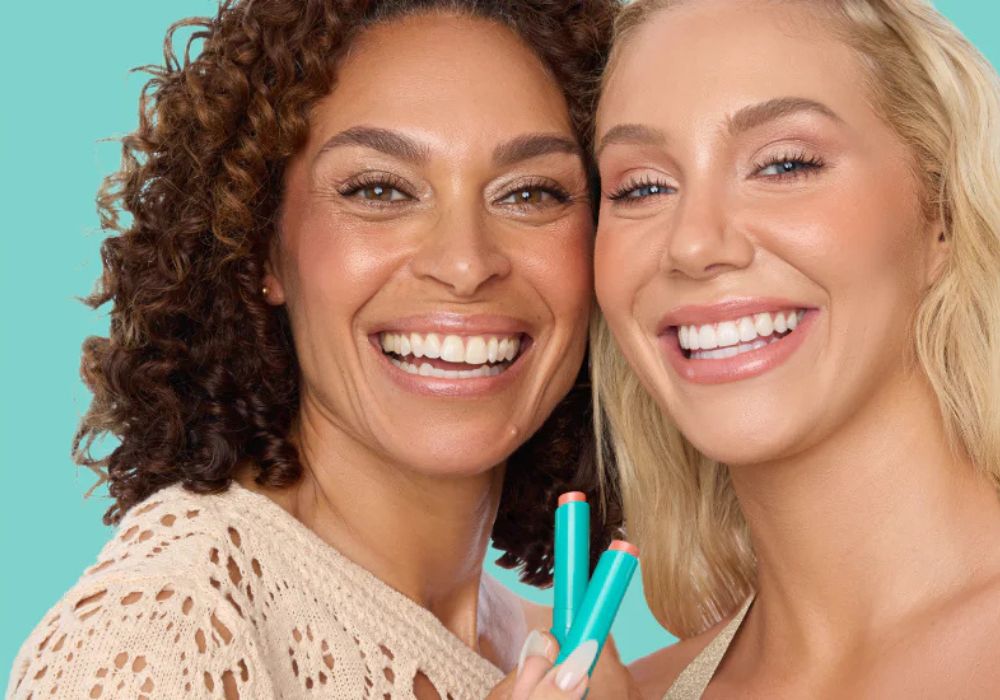
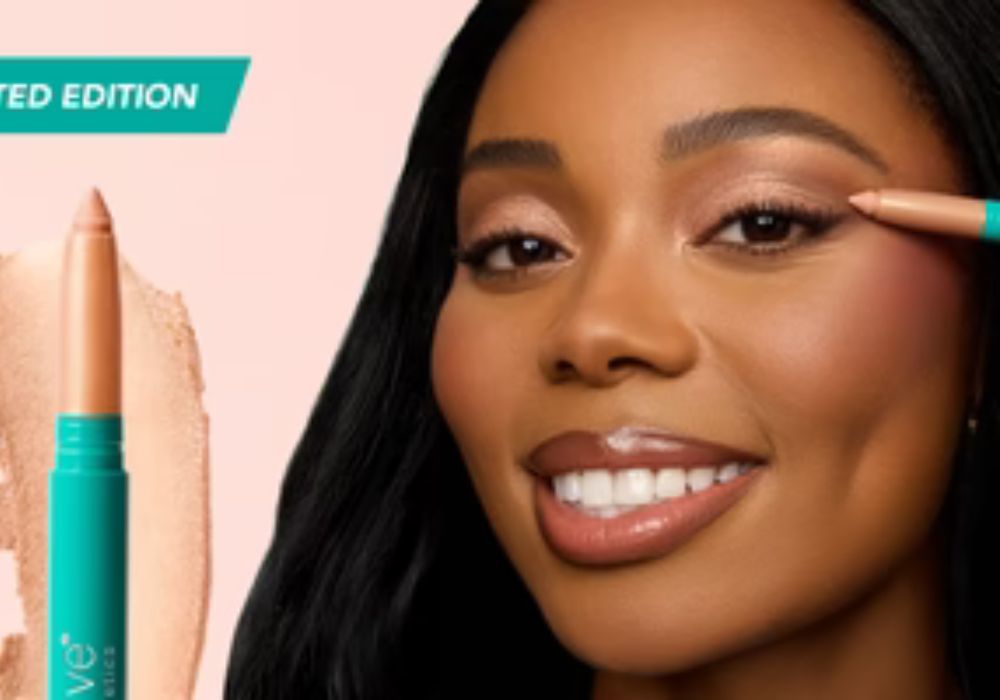
That moment catalyzed a $450M private company. From that personal grief, Thrive Causemetics was born—not as a cosmetic line, but as a vehicle for radical generosity. We launched in 2015 with a single product and an unwavering mission: to create high-performance, vegan, cruelty-free cosmetics that fund donations for women facing illness, trauma, and adversity. In our first full year, we reached $1 million in revenue. By 2021, we were generating an estimated $165 million annually, all while donating over $75 million worth of products and cash grants through our Thrive Causemetics Giving Fund.

continue reading
Full Founder Case Study: Dog is HumanFull Founder Case Study: Dog is HumanFull Founder Case Study: Dog is HumanFull Founder Case Study: Dog is HumanFull Founder Case Study: Dog is HumanFull Founder Case Study: Dog is Human

Full Founder Case Study: Dog is Human

In a world where the mantra Dog is Human resonates, we embarked on a journey to create better choices for dog parents everywhere.

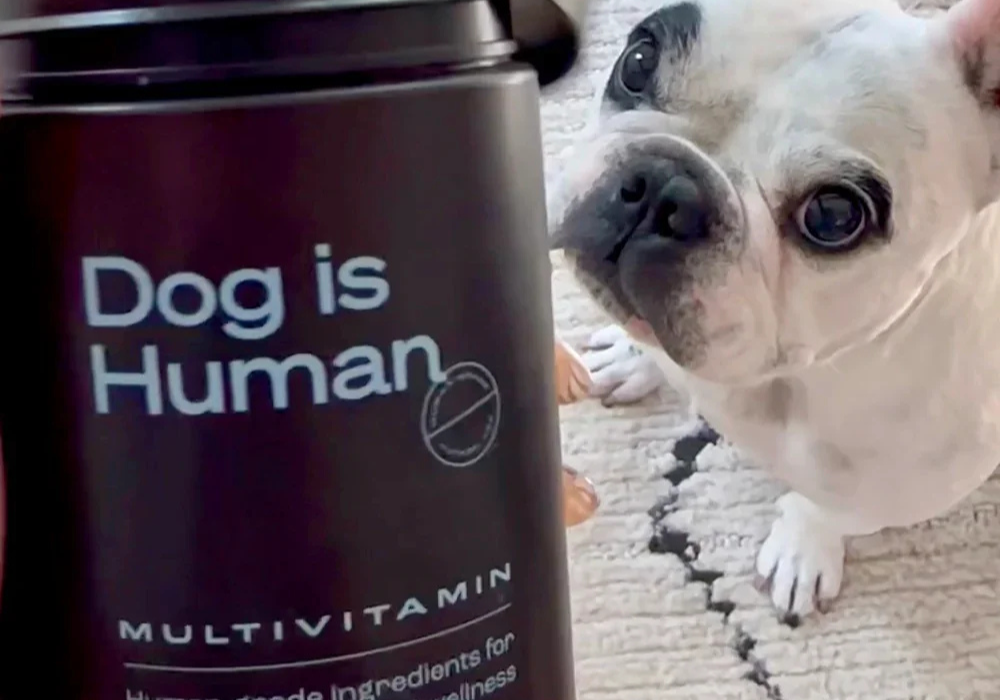
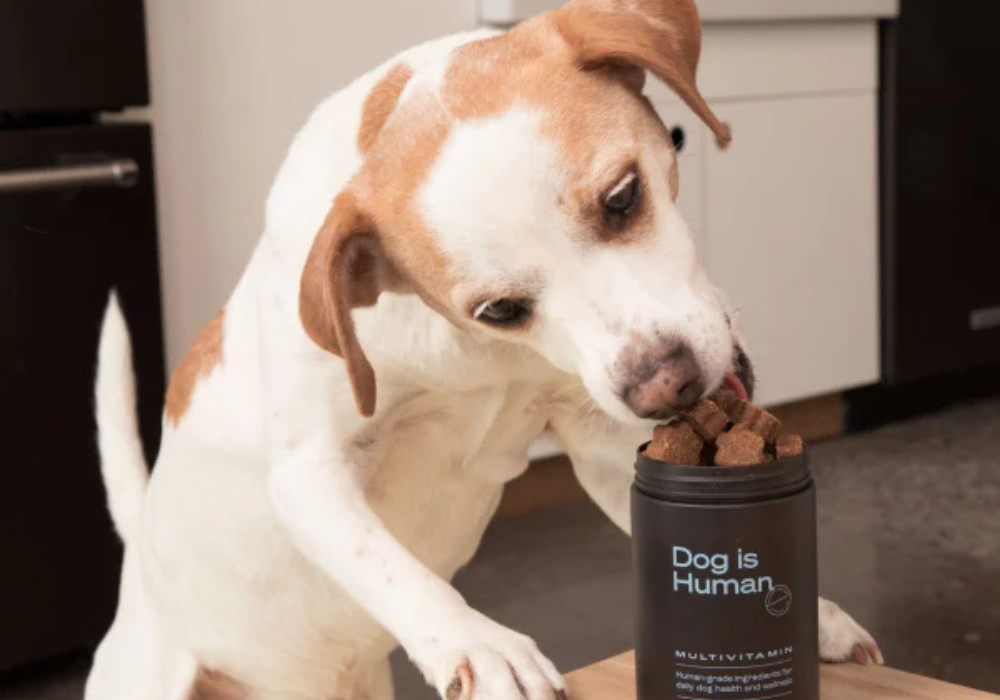
It was early 2022, and Tim and I were standing in the pet aisle of a big-box store, a place that felt more like a pharmacy of confusion. We were holding a leading brand’s multivitamin jar, turning it over in our hands. The ingredient list read like a chemical experiment: palm oil, artificial flavors, preservatives with unpronounceable names. We looked at each other, and the same silent question passed between us: Would we ever put this in our own bodies? The answer was a resounding no. Yet, here we were, expected to give it to our dogs, the creatures we loved as family.

That moment of cognitive dissonance wasn’t just frustration; it was a spark. We saw a massive, undisrupted category built on feed-grade fillers and questionable standards, and we knew a generation of dog parents like us was hungry for something real. The problem wasn’t just on the label; it was in the philosophy. The entire industry was treating dogs as pets. We believed dog is human. We aim to create a brand that resonates with dog parents who believe that Dog is Human.

(Analyst Commentary)
The pet supplement market is a multi-billion dollar industry, but historically, it has been dominated by large, traditional players focusing on mass production and retail distribution. Chen and Mally identified a critical gap: the rise of the “pet humanization” trend, where owners, particularly millennials and Gen Z, seek human-grade quality and transparent sourcing for their animals. They launched into a space ripe for disruption, betting that a direct-to-consumer (DTC) model built on radical transparency and superior ingredients could win the trust—and wallets—of this new demographic

continue reading
 Full Founder Case Study: Easy.tools Full Founder Case Study: Easy.tools Full Founder Case Study: Easy.tools Full Founder Case Study: Easy.tools Full Founder Case Study: Easy.tools Full Founder Case Study: Easy.tools

 Full Founder Case Study: Easy.tools

This easy.tools case study breaks down how a simple freelance invoicing need sparked one of today’s most popular single-purpose SaaS toolsets. The first invoice I ever created was for a client who didn’t exist. It was 2020, and I was hunched over my laptop in a makeshift home office in Belgium, the glow of the screen my only light. I was building a tool for myself—a simple, clean way to generate PDF invoices for my freelance design work. The ‘client’ was a test entry: “John Doe,” for “Website Design,” $1,500. When I clicked “generate,” and a perfectly formatted, professional PDF snapped into existence, a thought crystallized: “Why is every other tool for freelancers so bloated?” This easy.tools case study breaks down how a simple freelance invoicing need sparked one of today’s most popular single-purpose SaaS toolsets.

That single PDF was the spark. We were entering an era of the solo entrepreneur, the micro-SaaS, the digital nomad. The global freelance services market was ballooning, projected to reach over $1.5 trillion by 2032 . Yet, the tools available were either overly complex project management suites with steep learning curves or bare-bones, unprofessional templates. There was a gaping hole in the middle for elegant, single-purpose utilities that respected a user’s time and intelligence. Our early traction was silent but telling: a simple landing page and a link to a basic web app garnered our first 100 users through word-of-mouth alone, confirming we weren’t the only ones feeling this pain.

continue reading
Stack Influence Case Study: How Micro-Creators Became a High-ROI Growth EngineStack Influence Case Study: How Micro-Creators Became a High-ROI Growth EngineStack Influence Case Study: How Micro-Creators Became a High-ROI Growth Engine

Stack Influence Case Study: How Micro-Creators Became a High-ROI Growth Engine

I stared at the Excel sheet, the numbers blurring into a sea of red. It was Q4 2020, and we had just burned $40,000 on a single influencer campaign for a skincare client. The influencer had 2 million followers, the video production was flawless, and the engagement was… crickets. This is when we began our Stack Influence case study. The return was a negative 300% ROI. I remember the client’s email: “We paid for influence. We got a pretty post.” The silence in our small New York apartment-turned-office was deafening. My co-founder, Michael, and I didn’t speak. We just sat there, the weight of a broken business model crushing us. In that moment of absolute failure, we asked the heretical question: What if everything we knew about influencer marketing was wrong? What if bigger wasn’t better, but worse?

The influencer marketing industry was a $9.7 billion behemoth in 2020, but it was broken. Brands were throwing money at mega-influencers, chasing vanity metrics like “likes” and “followers” that rarely translated to sales. A 2020 report by Influencer Marketing Hub showed that while 93% of marketers used influencer marketing, 78% found measuring ROI their greatest challenge. The gap was clear: the market needed a bridge between authentic creator voices and tangible, trackable business outcomes. We had our pivot.

continue reading
en_USEnglish