


Table of Contents
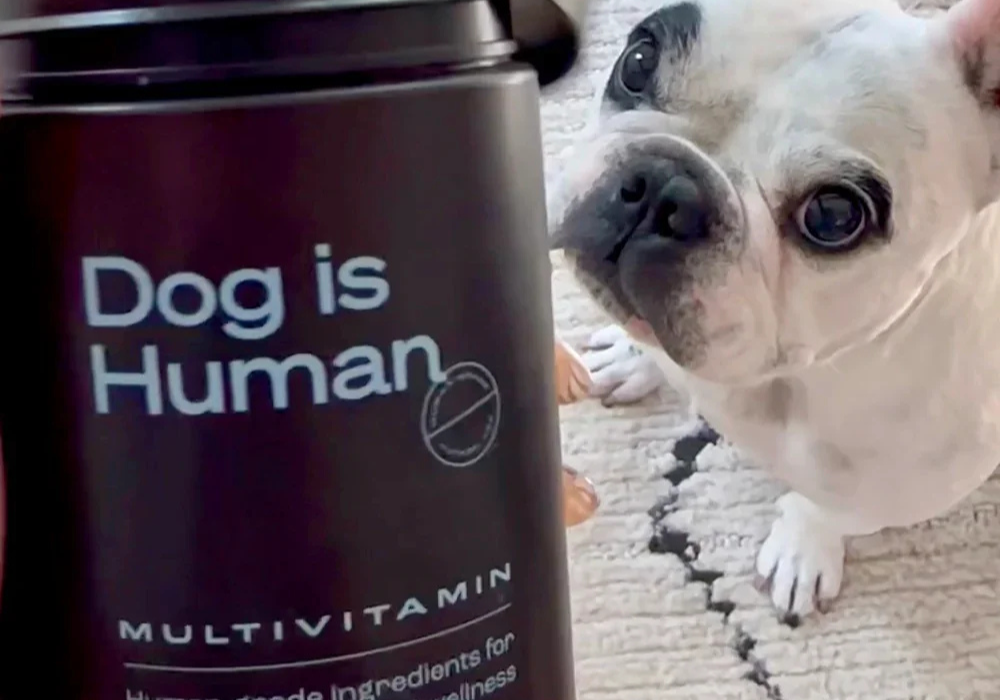
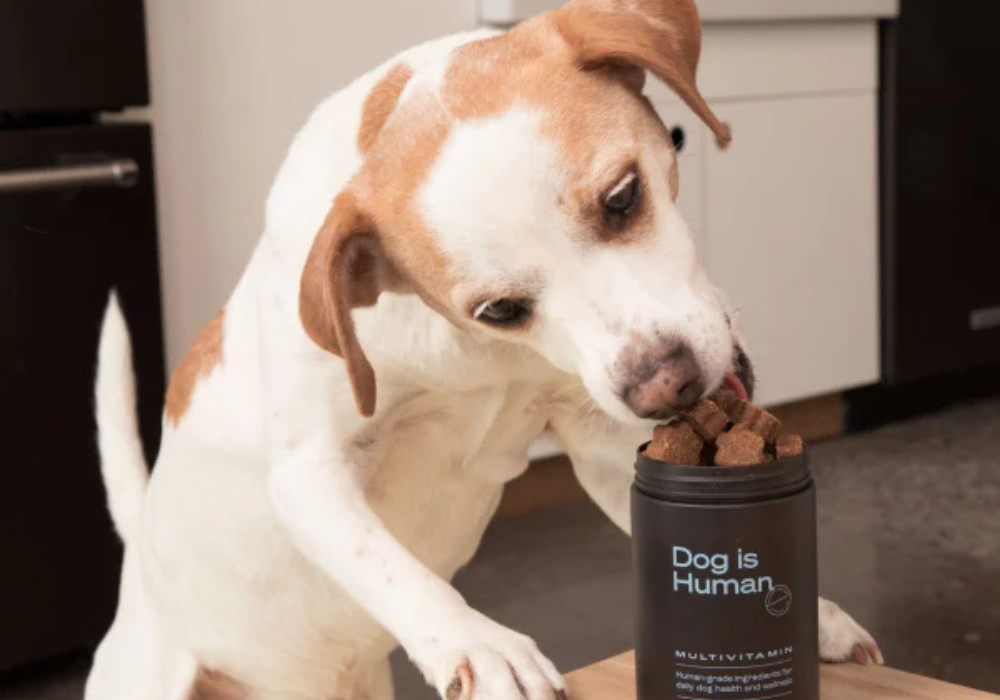
In a world where the mantra Dog is Human resonates, we embarked on a journey to create better choices for dog parents everywhere.
It was early 2022, and Tim and I were standing in the pet aisle of a big-box store, a place that felt more like a pharmacy of confusion. We were holding a leading brand’s multivitamin jar, turning it over in our hands. The ingredient list read like a chemical experiment: palm oil, artificial flavors, preservatives with unpronounceable names. We looked at each other, and the same silent question passed between us: Would we ever put this in our own bodies? The answer was a resounding no. Yet, here we were, expected to give it to our dogs, the creatures we loved as family.
That moment of cognitive dissonance wasn’t just frustration; it was a spark. We saw a massive, undisrupted category built on feed-grade fillers and questionable standards, and we knew a generation of dog parents like us was hungry for something real. The problem wasn’t just on the label; it was in the philosophy. The entire industry was treating dogs as pets. We believed dog is human. We aim to create a brand that resonates with dog parents who believe that Dog is Human.
(Analyst Commentary)
The pet supplement market is a multi-billion dollar industry, but historically, it has been dominated by large, traditional players focusing on mass production and retail distribution. Chen and Mally identified a critical gap: the rise of the “pet humanization” trend, where owners, particularly millennials and Gen Z, seek human-grade quality and transparent sourcing for their animals. They launched into a space ripe for disruption, betting that a direct-to-consumer (DTC) model built on radical transparency and superior ingredients could win the trust—and wallets—of this new demographic
 English