0

Tag: founder case study

Hims & Hers Case Study: How a DTC Brand Rebuilt HealthcareHims & Hers Case Study: How a DTC Brand Rebuilt HealthcareHims & Hers Case Study: How a DTC Brand Rebuilt HealthcareHims & Hers Case Study: How a DTC Brand Rebuilt HealthcareHims & Hers Case Study: How a DTC Brand Rebuilt HealthcareHims & Hers Case Study: How a DTC Brand Rebuilt HealthcareHims & Hers Case Study: How a DTC Brand Rebuilt HealthcareHims & Hers Case Study: How a DTC Brand Rebuilt HealthcareHims & Hers Case Study: How a DTC Brand Rebuilt Healthcare

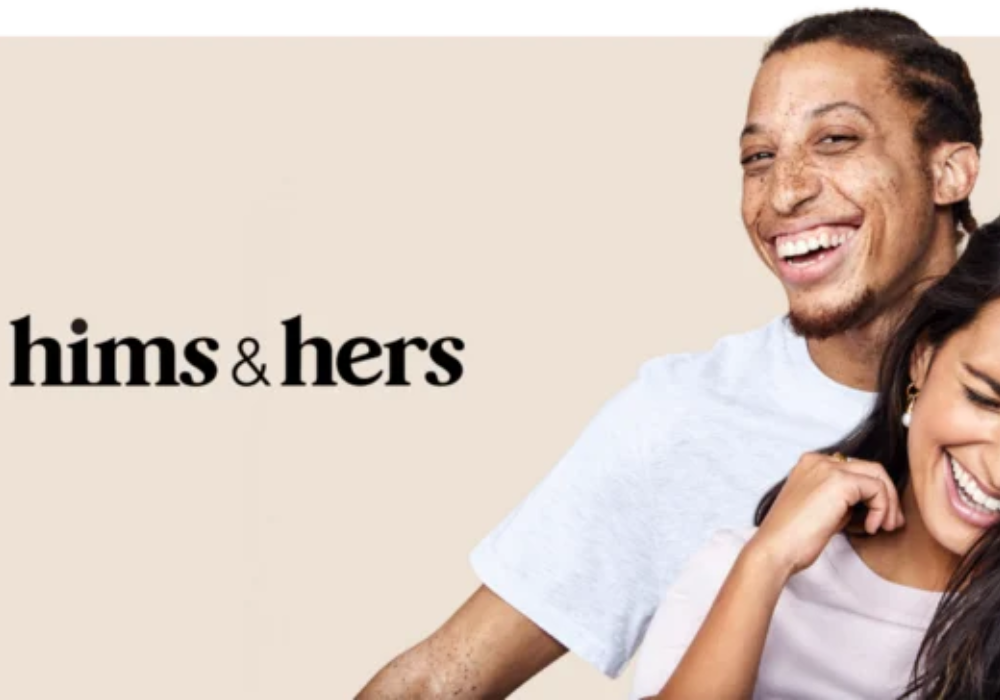
Hims & Hers Case Study: How a DTC Brand Rebuilt Healthcare

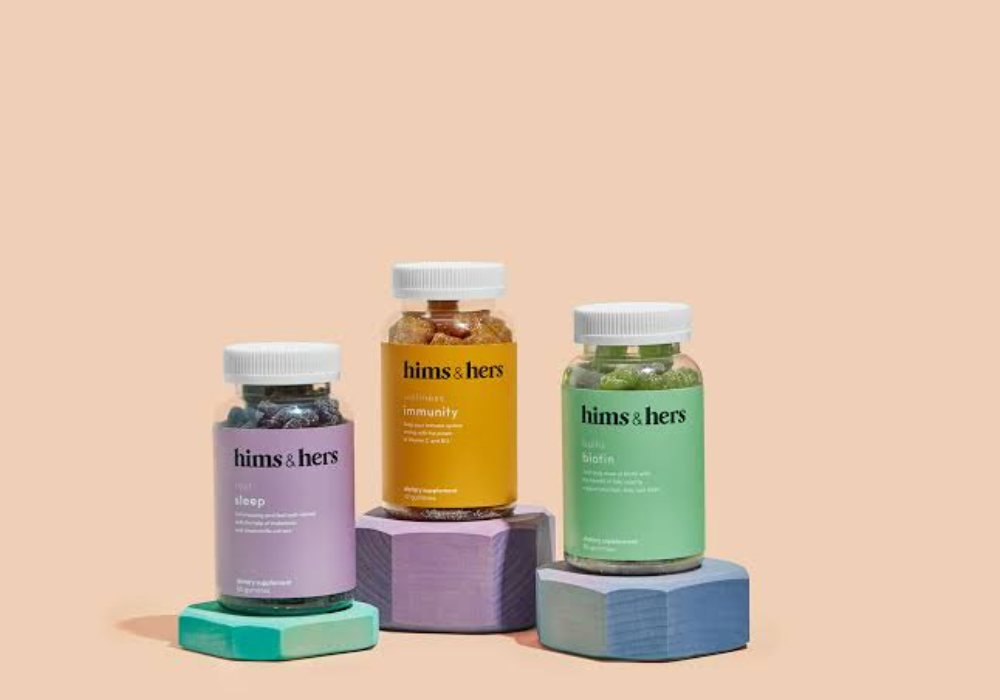
The Hims & Hers case study begins with an uncomfortable truth: sometimes the biggest opportunity in business isn’t creating something people desperately need. It’s making it easier for them to ask for it.

Before Hims became a billion-dollar healthcare company, men dealing with hair loss, erectile dysfunction, and other sensitive health concerns had to navigate awkward doctor visits, pharmacy counters, and conversations they would rather avoid. The products already existed. The problem was the experience.

Hims saw an opportunity to change that.

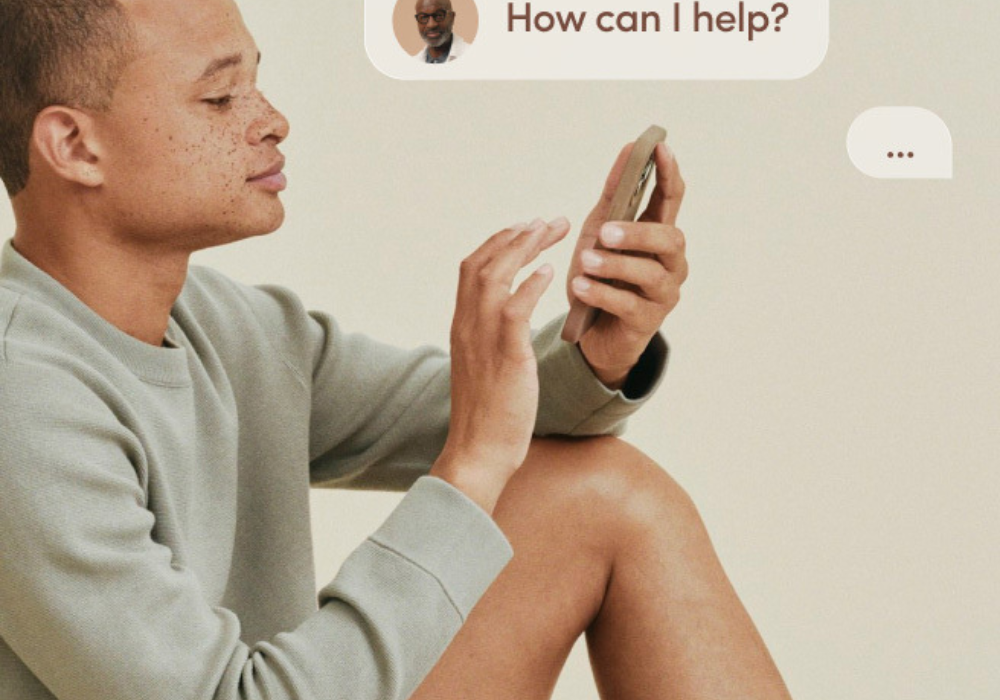
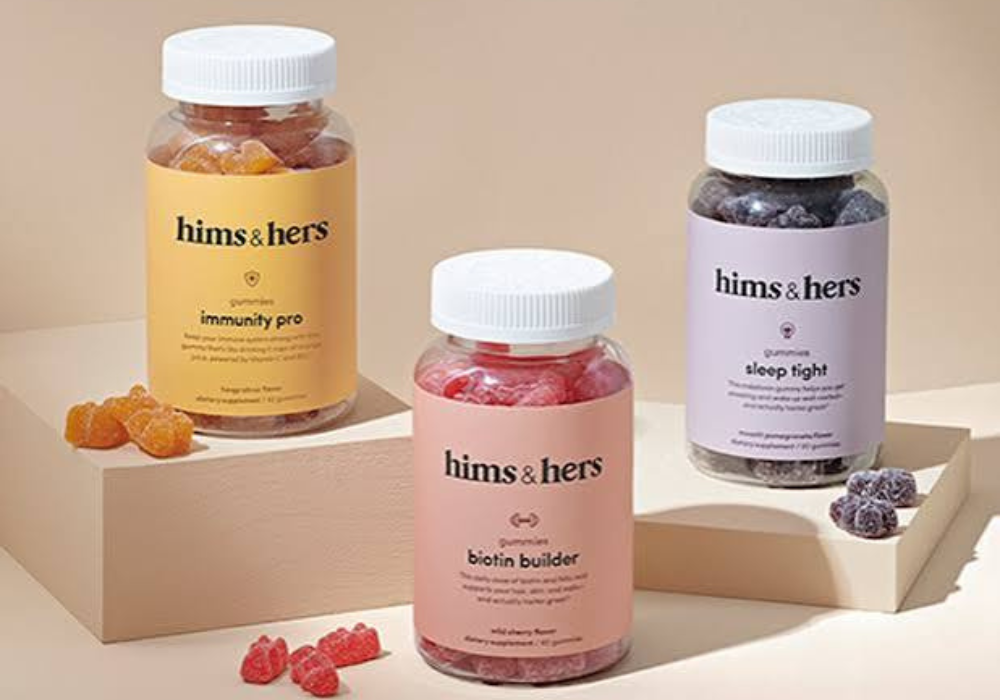
Instead of treating healthcare like a clinical transaction, the company packaged access to care like a modern direct-to-consumer brand: simple online consultations, discreet shipping, recognizable branding, and subscription-based delivery.

That decision turned an uncomfortable healthcare problem into a powerful business model.

But the Hims & Hers case study isn’t simply a story about clever branding or telehealth. It’s a lesson in customer psychology, distribution, positioning, recurring revenue, regulatory risk, and what happens when a company’s fastest-growing product becomes its biggest strategic vulnerability.

From its $30 million launch in 2017 to $1.48 billion in 2024 revenue, Hims & Hers built a remarkably effective front door to healthcare. But the company’s journey also reveals an important warning for founders: you can build a powerful brand around a product you don’t control—and eventually discover that the product has more leverage over your business than you expected.

Here’s how Hims & Hers built the front door, scaled the model, and discovered what was waiting on the other side.

continue reading
Founder Case Study: Cursor (Anysphere) – The Fastest-Growing Startup EverFounder Case Study: Cursor (Anysphere) – The Fastest-Growing Startup EverFounder Case Study: Cursor (Anysphere) – The Fastest-Growing Startup EverFounder Case Study: Cursor (Anysphere) – The Fastest-Growing Startup EverFounder Case Study: Cursor (Anysphere) – The Fastest-Growing Startup EverFounder Case Study: Cursor (Anysphere) – The Fastest-Growing Startup Ever

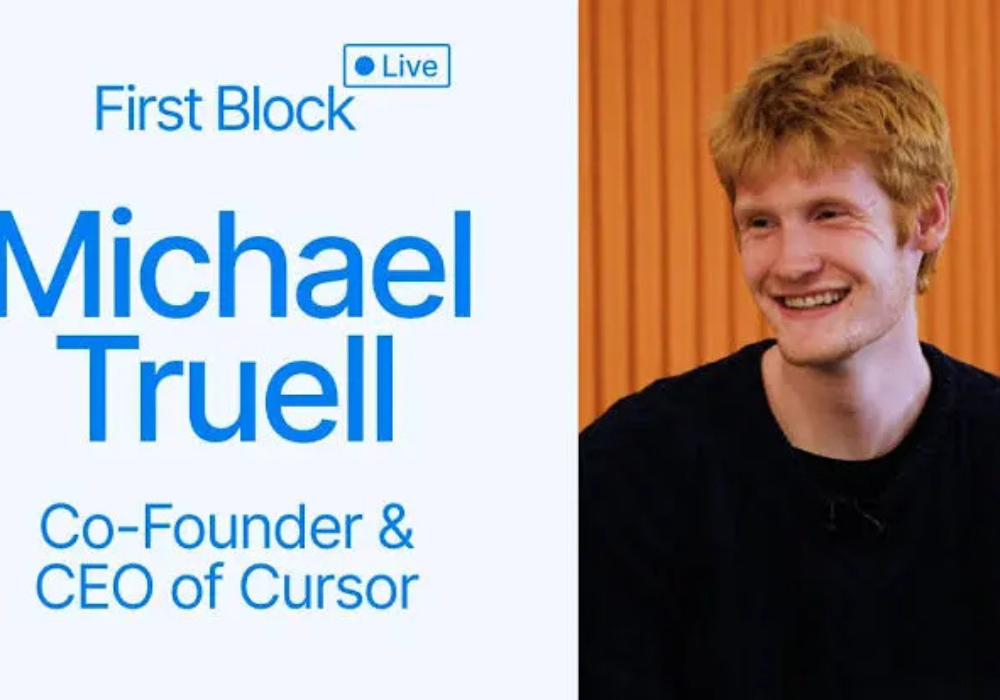
Founder Case Study: Cursor (Anysphere) – The Fastest-Growing Startup Ever

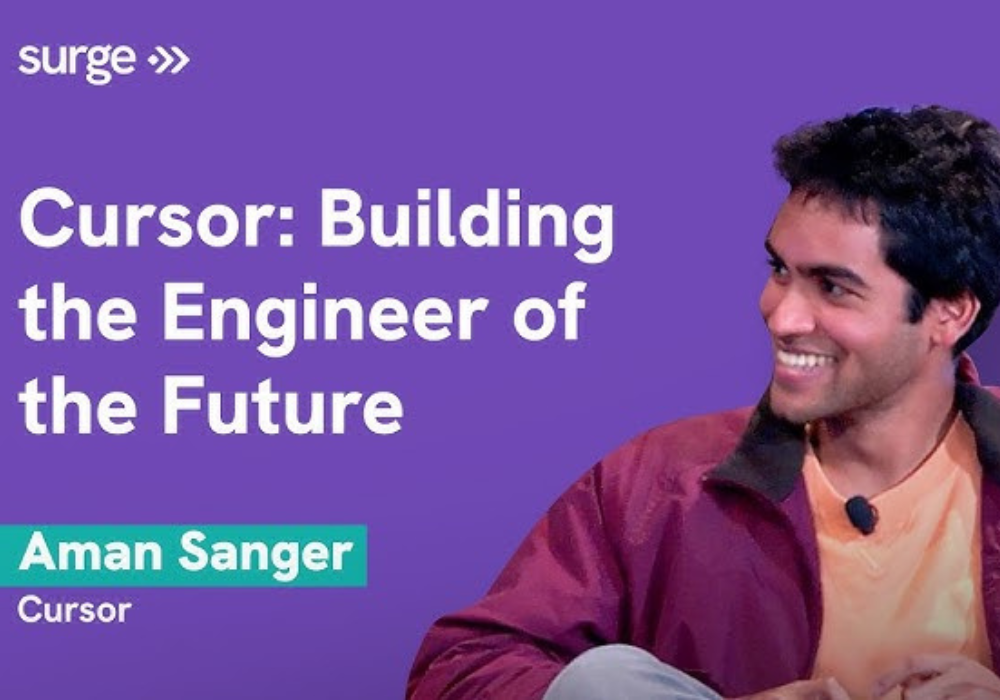
Founder Case Study: Cursor (Anysphere): December 2021, MIT Dorm Room

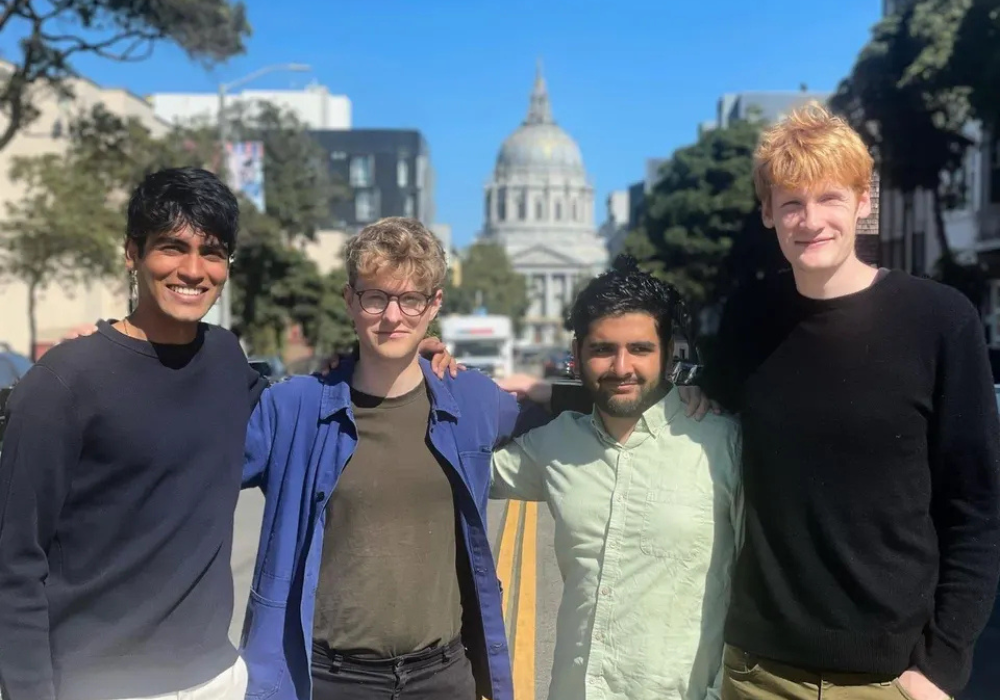
The four of us were huddled around a single laptop, completely stuck. For six months, we’d been building an AI tool for mechanical engineers working with CAD software—computer-aided design. The problem? None of us knew anything about mechanical engineering.

Aman was staring at a visualization of a piston assembly. Sualeh was reading documentation about gear ratios. Arvid was running calculations that looked like ancient Greek to me. We were brilliant at building AI systems but utterly ignorant of the domain we were trying to disrupt. The project was failing, and we all knew it.

Then Sualeh said something that would change everything: “Why are we trying to solve problems for an industry we don’t understand? We’re software engineers. We live and breathe code. Let’s build something for ourselves.”

That night, we pivoted. We decided to build an AI tool for the one thing we actually knew deeply: writing software. We had no idea that this dorm-room realization would lead to the fastest-growing startup in history—from zero to $100 million ARR faster than any company ever, then to $1 billion, then to $2 billion, all in under three years .

By November 2025, we had raised $3.4 billion from Accel, Coatue, Thrive Capital, a16z, Google, and NVIDIA . Our four MIT-founder team, all under 30, each held stakes worth over $1.3 billion . And it all started because we admitted we were building the wrong product for people we didn’t understand.

continue reading
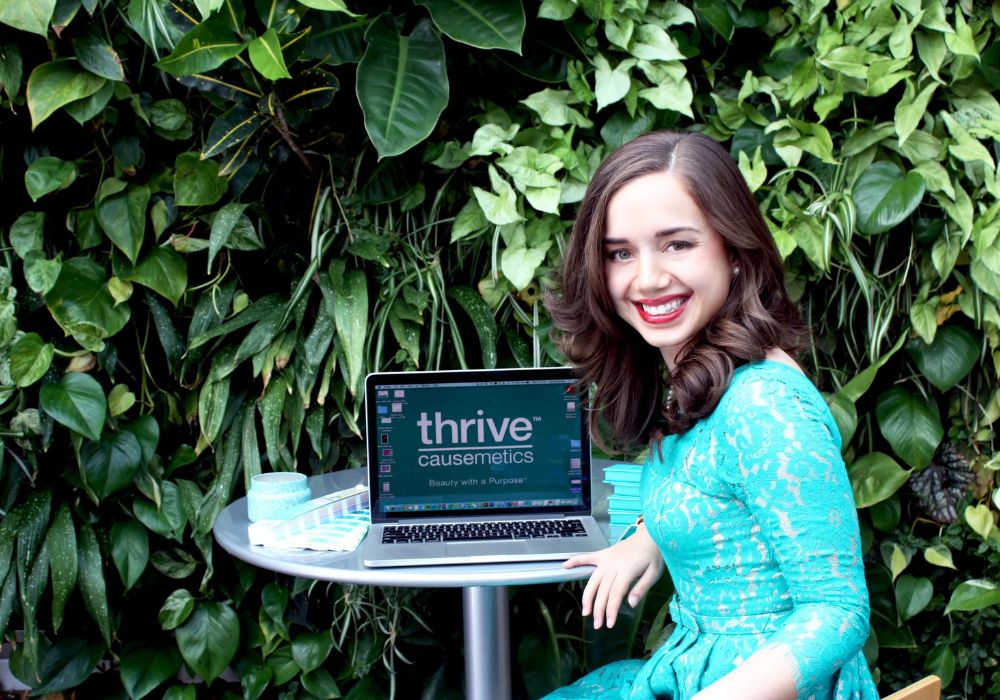
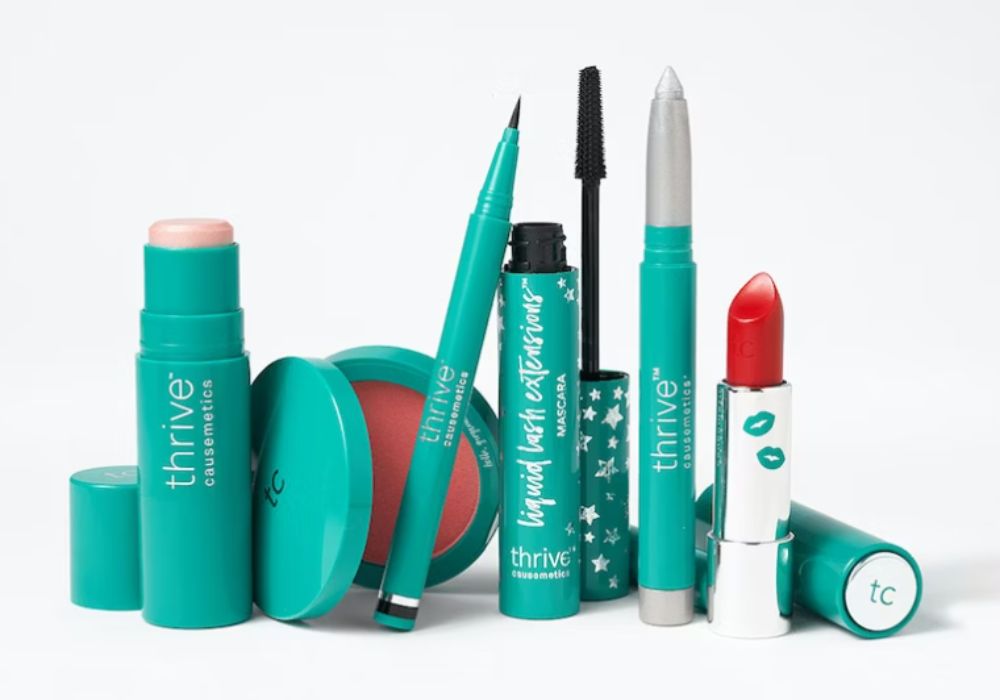
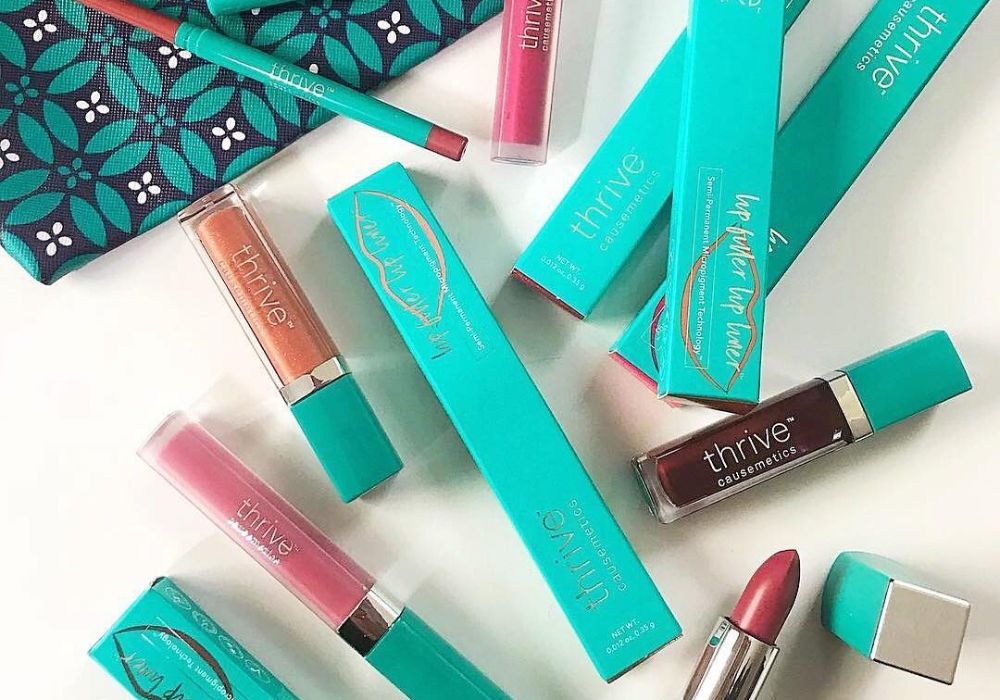
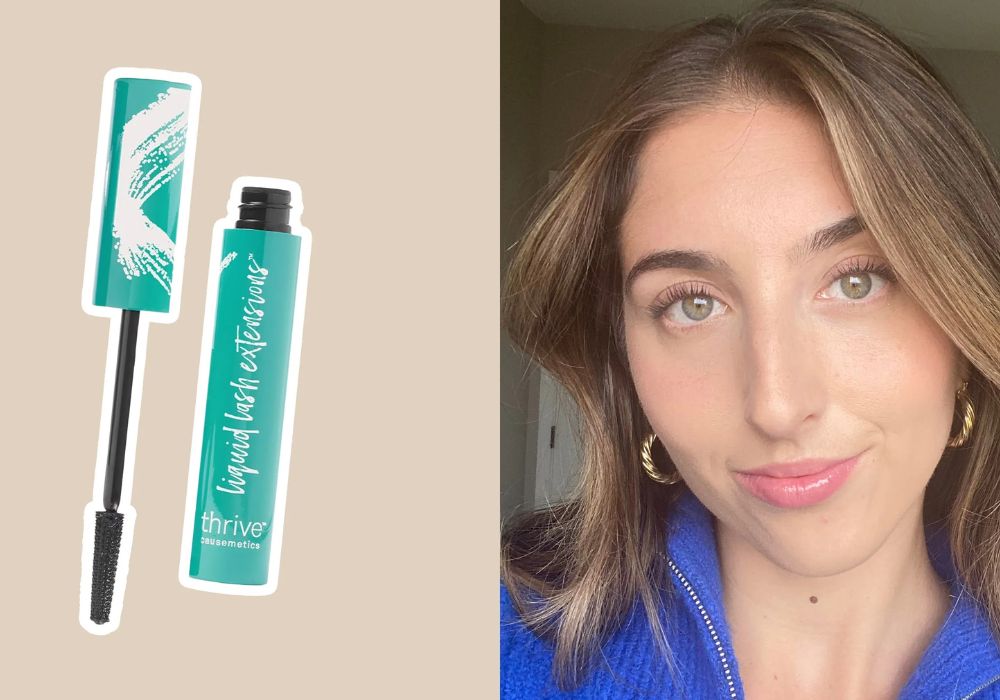
Thrive Causemetics Founder Case Study: How Purpose Built a $450M Beauty BrandThrive Causemetics Founder Case Study: How Purpose Built a $450M Beauty BrandThrive Causemetics Founder Case Study: How Purpose Built a $450M Beauty BrandThrive Causemetics Founder Case Study: How Purpose Built a $450M Beauty BrandThrive Causemetics Founder Case Study: How Purpose Built a $450M Beauty BrandThrive Causemetics Founder Case Study: How Purpose Built a $450M Beauty BrandThrive Causemetics Founder Case Study: How Purpose Built a $450M Beauty BrandThrive Causemetics Founder Case Study: How Purpose Built a $450M Beauty Brand

Thrive Causemetics Founder Case Study: How Purpose Built a $450M Beauty Brand

I stood in a drugstore aisle in 2013, my hand trembling as I held a tube of mascara. My mom’s final battle with cancer had ended six months prior. For years, I had watched this vibrant, beautiful woman lose not just her hair and lashes to chemotherapy, but pieces of her identity. The makeup we bought to help her feel like herself was often a disappointment—irritating, ineffective, or tested on animals. In this fluorescent-lit aisle, surrounded by shelves of products that felt disconnected from real human struggle, the clarity was sudden and absolute.

(Reconstructed founder sentiment based on public interviews): “I didn’t just see products. I saw a profound gap between what beauty promised and what it delivered in life’s hardest moments. I saw a need for more than pigment; I saw a need for purpose.”

That moment catalyzed a $450M private company. From that personal grief, Thrive Causemetics was born—not as a cosmetic line, but as a vehicle for radical generosity. We launched in 2015 with a single product and an unwavering mission: to create high-performance, vegan, cruelty-free cosmetics that fund donations for women facing illness, trauma, and adversity. In our first full year, we reached $1 million in revenue. By 2021, we were generating an estimated $165 million annually, all while donating over $75 million worth of products and cash grants through our Thrive Causemetics Giving Fund.

continue reading
en_USEnglish