

0

Tag: DTC brands

Hims & Hers Case Study: How a DTC Brand Rebuilt HealthcareHims & Hers Case Study: How a DTC Brand Rebuilt HealthcareHims & Hers Case Study: How a DTC Brand Rebuilt HealthcareHims & Hers Case Study: How a DTC Brand Rebuilt HealthcareHims & Hers Case Study: How a DTC Brand Rebuilt HealthcareHims & Hers Case Study: How a DTC Brand Rebuilt HealthcareHims & Hers Case Study: How a DTC Brand Rebuilt HealthcareHims & Hers Case Study: How a DTC Brand Rebuilt HealthcareHims & Hers Case Study: How a DTC Brand Rebuilt Healthcare

Hims & Hers Case Study: How a DTC Brand Rebuilt Healthcare

The Hims & Hers case study begins with an uncomfortable truth: sometimes the biggest opportunity in business isn’t creating something people desperately need. It’s making it easier for them to ask for it.

Before Hims became a billion-dollar healthcare company, men dealing with hair loss, erectile dysfunction, and other sensitive health concerns had to navigate awkward doctor visits, pharmacy counters, and conversations they would rather avoid. The products already existed. The problem was the experience.

Hims saw an opportunity to change that.

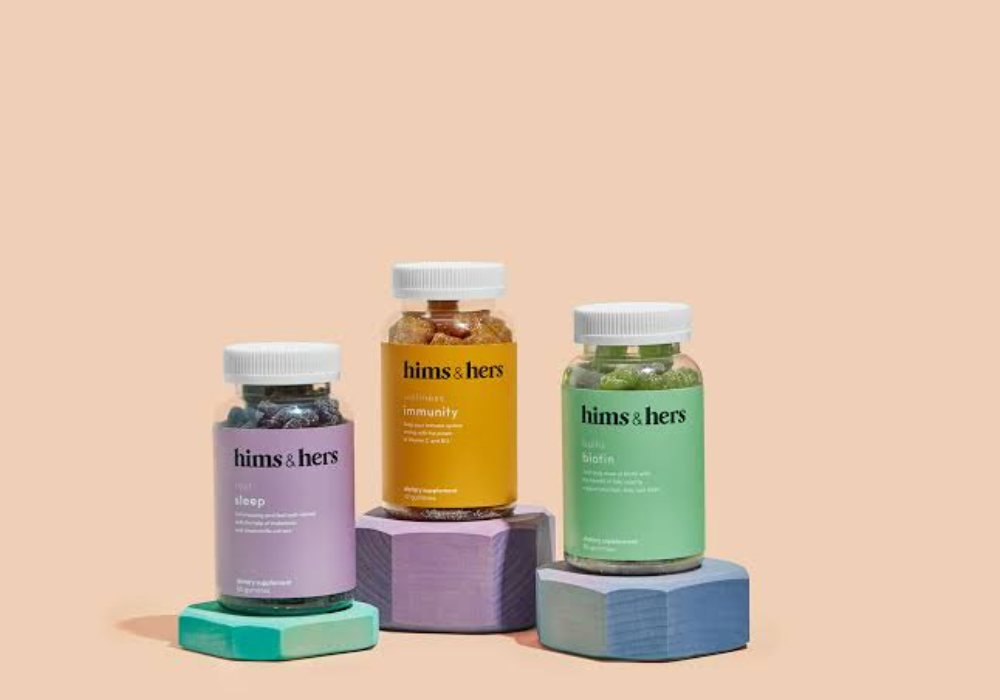
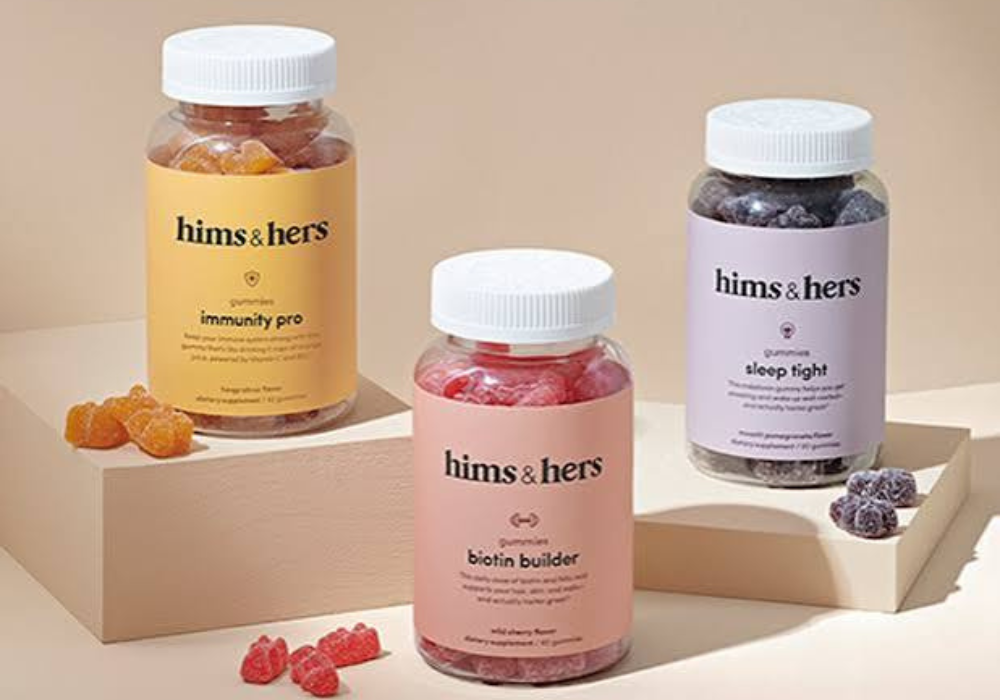
Instead of treating healthcare like a clinical transaction, the company packaged access to care like a modern direct-to-consumer brand: simple online consultations, discreet shipping, recognizable branding, and subscription-based delivery.

That decision turned an uncomfortable healthcare problem into a powerful business model.

But the Hims & Hers case study isn’t simply a story about clever branding or telehealth. It’s a lesson in customer psychology, distribution, positioning, recurring revenue, regulatory risk, and what happens when a company’s fastest-growing product becomes its biggest strategic vulnerability.

From its $30 million launch in 2017 to $1.48 billion in 2024 revenue, Hims & Hers built a remarkably effective front door to healthcare. But the company’s journey also reveals an important warning for founders: you can build a powerful brand around a product you don’t control—and eventually discover that the product has more leverage over your business than you expected.

Here’s how Hims & Hers built the front door, scaled the model, and discovered what was waiting on the other side.

continue reading
Modest Swimwear: How Nani Swimwear Built a Brand Without CompromiseModest Swimwear: How Nani Swimwear Built a Brand Without CompromiseModest Swimwear: How Nani Swimwear Built a Brand Without CompromiseModest Swimwear: How Nani Swimwear Built a Brand Without Compromise

Modest Swimwear: How Nani Swimwear Built a Brand Without Compromise

Cold Open

The pool was a neighborhood one, chlorine sharp in my nose, kids shrieking. I stood at the edge in a men’s rash guard and black leggings that ballooned with water when I moved. I felt like a diver about to descend—encased, not covered. A mom I recognized glanced over, then looked away fast. That glance said what I already knew: I didn’t belong in that water. I got in anyway, but I left humiliated. That was July 2017. On the drive home, I told myself I would never wear a makeshift swimsuit again. I’d been a registered nurse for almost a decade; if I could start an IV on a squirming toddler at three in the morning, I could figure out how to sew a swimsuit that let me swim with my kids without feeling like an astronaut.

continue rading
Stack Influence Case Study: How Micro-Creators Became a High-ROI Growth EngineStack Influence Case Study: How Micro-Creators Became a High-ROI Growth EngineStack Influence Case Study: How Micro-Creators Became a High-ROI Growth Engine

Stack Influence Case Study: How Micro-Creators Became a High-ROI Growth Engine

I stared at the Excel sheet, the numbers blurring into a sea of red. It was Q4 2020, and we had just burned $40,000 on a single influencer campaign for a skincare client. The influencer had 2 million followers, the video production was flawless, and the engagement was… crickets. This is when we began our Stack Influence case study. The return was a negative 300% ROI. I remember the client’s email: “We paid for influence. We got a pretty post.” The silence in our small New York apartment-turned-office was deafening. My co-founder, Michael, and I didn’t speak. We just sat there, the weight of a broken business model crushing us. In that moment of absolute failure, we asked the heretical question: What if everything we knew about influencer marketing was wrong? What if bigger wasn’t better, but worse?

The influencer marketing industry was a $9.7 billion behemoth in 2020, but it was broken. Brands were throwing money at mega-influencers, chasing vanity metrics like “likes” and “followers” that rarely translated to sales. A 2020 report by Influencer Marketing Hub showed that while 93% of marketers used influencer marketing, 78% found measuring ROI their greatest challenge. The gap was clear: the market needed a bridge between authentic creator voices and tangible, trackable business outcomes. We had our pivot.

continue reading
en_USEnglish