0

Tag: brand positioning

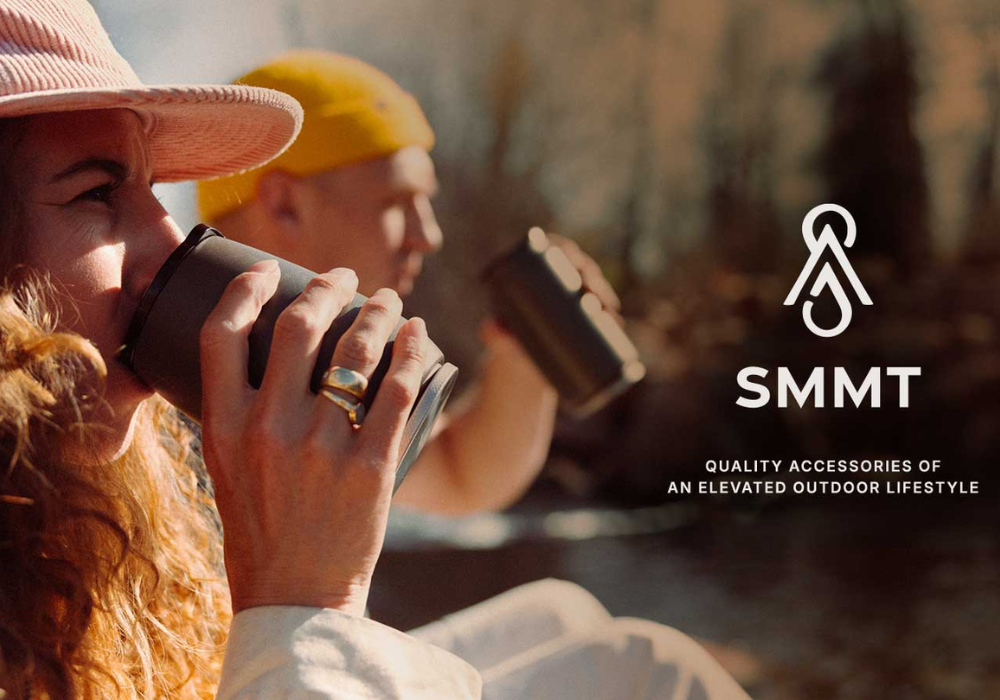
Brand Positioning: How SMMT Outdoor Built a Lifestyle BrandBrand Positioning: How SMMT Outdoor Built a Lifestyle BrandBrand Positioning: How SMMT Outdoor Built a Lifestyle BrandBrand Positioning: How SMMT Outdoor Built a Lifestyle BrandBrand Positioning: How SMMT Outdoor Built a Lifestyle Brand

Brand Positioning: How SMMT Outdoor Built a Lifestyle Brand

Brand positioning is often where crowded categories are won or lost. When you’re selling a product that already has dozens of recognizable competitors, simply making another version isn’t enough. Customers need a reason to remember why yours exists.

SMMT Outdoor entered one of those crowded categories with a different question.

Instead of building another outdoor brand around performance, speed, or the next summit, founders Jamie and Michelle Parker built around what happens afterward—the pause, the gathering, the drink, the sunset, and the moments that make the experience worth remembering.

Their philosophy is captured in a simple line: “What Comes After is Earned.”

The Parkers brought decades of experience from Nike, international travel, outdoor culture, and brand development into a company rooted in Park City, Utah. But SMMT’s story isn’t simply about two former Nike executives launching an outdoor brand.

It’s about how a small, self-funded company can use brand positioning, product design, geography, scarcity, partnerships, and storytelling to create distinction in a category already dominated by much larger names.

SMMT also offers an interesting lesson in restraint. Rather than chasing every possible customer or building an enormous operation, the Parkers have built around a specific lifestyle and community while keeping the business founder-led.

So what can other founders learn from that approach?

This case study looks at how SMMT Outdoor built its identity, where its strategy has evolved, the constraints that shape the business, and the branding decisions that other founders can apply to their own companies.

continue reading
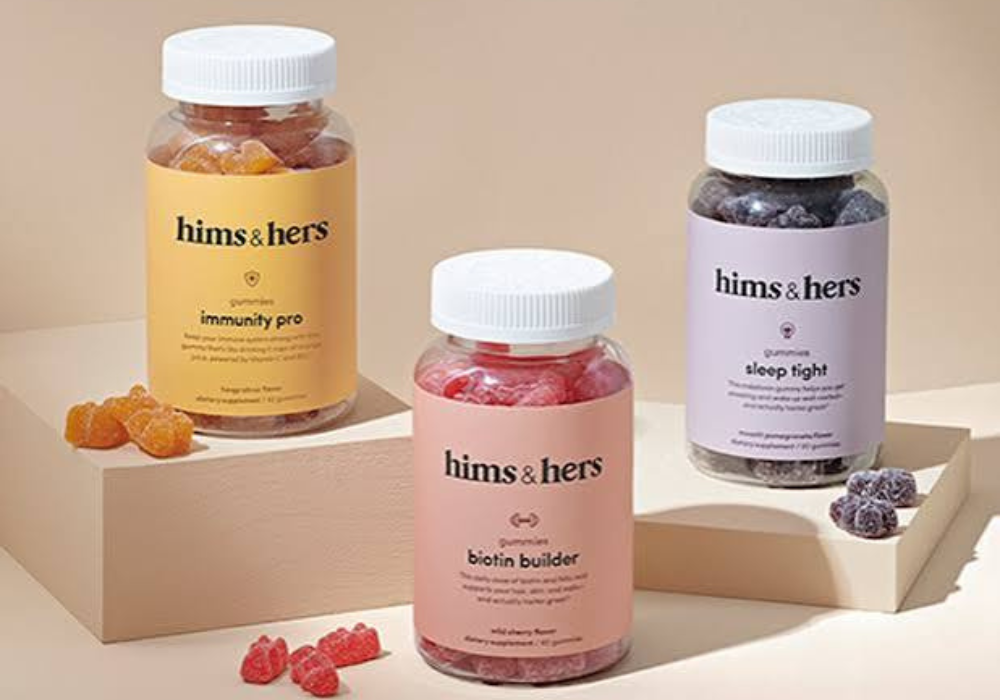
Hims & Hers Case Study: How a DTC Brand Rebuilt HealthcareHims & Hers Case Study: How a DTC Brand Rebuilt HealthcareHims & Hers Case Study: How a DTC Brand Rebuilt HealthcareHims & Hers Case Study: How a DTC Brand Rebuilt HealthcareHims & Hers Case Study: How a DTC Brand Rebuilt HealthcareHims & Hers Case Study: How a DTC Brand Rebuilt HealthcareHims & Hers Case Study: How a DTC Brand Rebuilt HealthcareHims & Hers Case Study: How a DTC Brand Rebuilt HealthcareHims & Hers Case Study: How a DTC Brand Rebuilt Healthcare

Hims & Hers Case Study: How a DTC Brand Rebuilt Healthcare

The Hims & Hers case study begins with an uncomfortable truth: sometimes the biggest opportunity in business isn’t creating something people desperately need. It’s making it easier for them to ask for it.

Before Hims became a billion-dollar healthcare company, men dealing with hair loss, erectile dysfunction, and other sensitive health concerns had to navigate awkward doctor visits, pharmacy counters, and conversations they would rather avoid. The products already existed. The problem was the experience.

Hims saw an opportunity to change that.

Instead of treating healthcare like a clinical transaction, the company packaged access to care like a modern direct-to-consumer brand: simple online consultations, discreet shipping, recognizable branding, and subscription-based delivery.

That decision turned an uncomfortable healthcare problem into a powerful business model.

But the Hims & Hers case study isn’t simply a story about clever branding or telehealth. It’s a lesson in customer psychology, distribution, positioning, recurring revenue, regulatory risk, and what happens when a company’s fastest-growing product becomes its biggest strategic vulnerability.

From its $30 million launch in 2017 to $1.48 billion in 2024 revenue, Hims & Hers built a remarkably effective front door to healthcare. But the company’s journey also reveals an important warning for founders: you can build a powerful brand around a product you don’t control—and eventually discover that the product has more leverage over your business than you expected.

Here’s how Hims & Hers built the front door, scaled the model, and discovered what was waiting on the other side.

continue reading
Brand Evolution System showing an entrepreneur transforming a business brand through strategic branding, positioning, and audience growth.

The Brand Evolution System: How to Grow Your Brand Without Losing Your Audience

Brand Evolution System strategies help businesses, creators, and entrepreneurs stay relevant in an ever-changing marketplace. Even the strongest brands can lose momentum when they stop evolving, allowing competitors to capture attention with fresh ideas, messaging, and positioning.

If your content feels repetitive, your audience engagement is declining, or your brand no longer reflects who you’ve become, it may be time for strategic evolution rather than a complete rebrand.

In this guide, you’ll learn a practical 9-step framework for refreshing your brand, maintaining audience trust, and positioning yourself for long-term growth without sacrificing the identity that made your business successful..

Business owner planning a brand evolution strategy with branding documents, marketing plans, and creative ideas for sustainable business growth.
continue reading
en_USEnglish