





0

Tag: customer experience

Hims & Hers Case Study: How a DTC Brand Rebuilt HealthcareHims & Hers Case Study: How a DTC Brand Rebuilt HealthcareHims & Hers Case Study: How a DTC Brand Rebuilt HealthcareHims & Hers Case Study: How a DTC Brand Rebuilt HealthcareHims & Hers Case Study: How a DTC Brand Rebuilt HealthcareHims & Hers Case Study: How a DTC Brand Rebuilt HealthcareHims & Hers Case Study: How a DTC Brand Rebuilt HealthcareHims & Hers Case Study: How a DTC Brand Rebuilt HealthcareHims & Hers Case Study: How a DTC Brand Rebuilt Healthcare

Hims & Hers Case Study: How a DTC Brand Rebuilt Healthcare

The Hims & Hers case study begins with an uncomfortable truth: sometimes the biggest opportunity in business isn’t creating something people desperately need. It’s making it easier for them to ask for it.

Before Hims became a billion-dollar healthcare company, men dealing with hair loss, erectile dysfunction, and other sensitive health concerns had to navigate awkward doctor visits, pharmacy counters, and conversations they would rather avoid. The products already existed. The problem was the experience.

Hims saw an opportunity to change that.

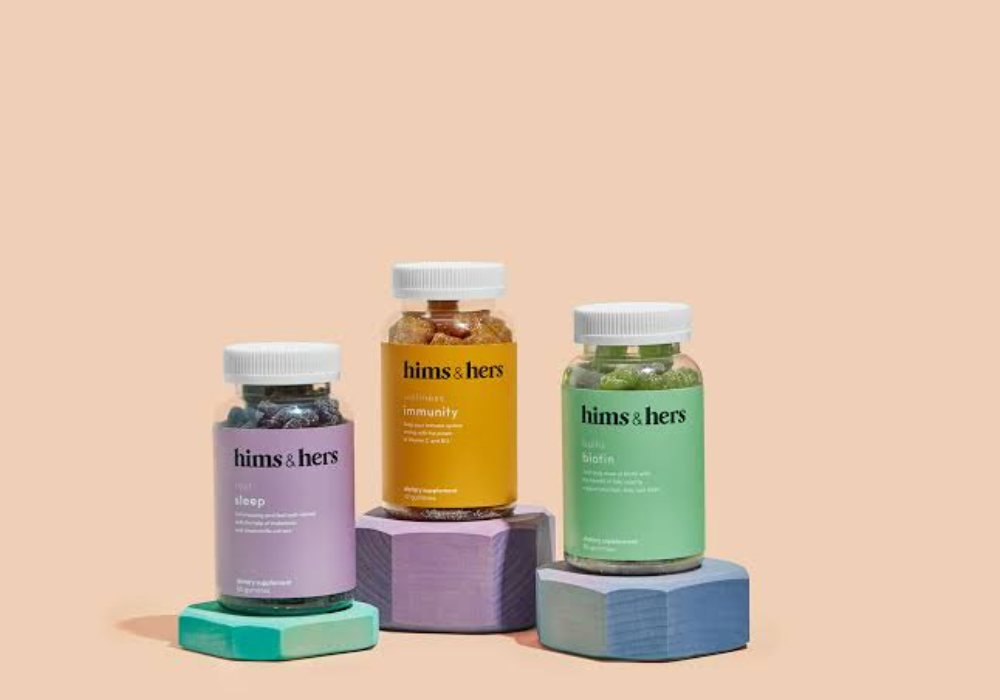
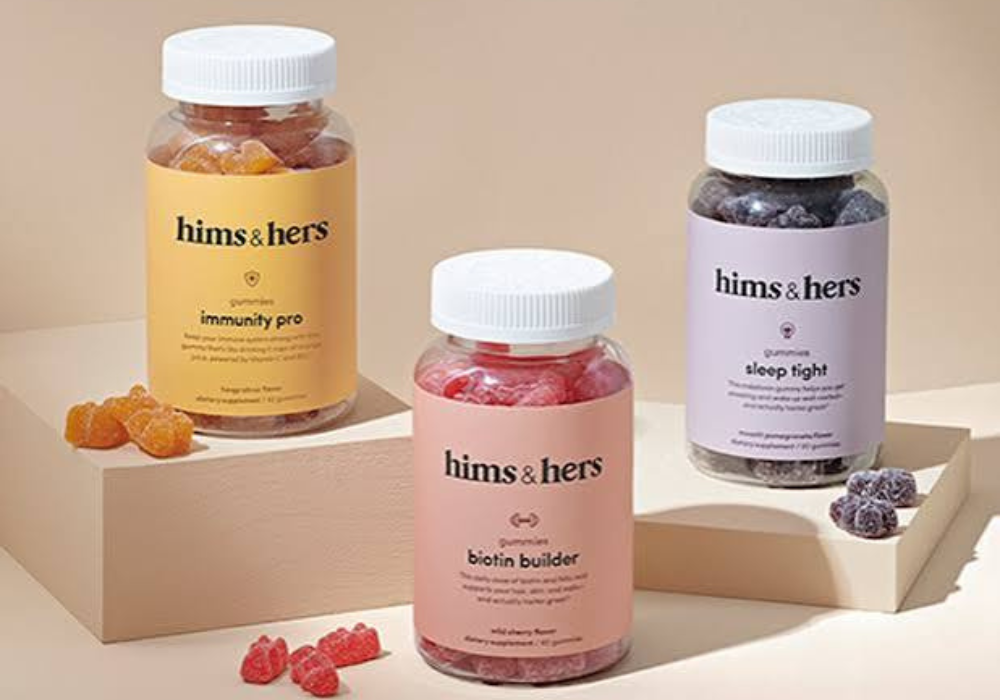
Instead of treating healthcare like a clinical transaction, the company packaged access to care like a modern direct-to-consumer brand: simple online consultations, discreet shipping, recognizable branding, and subscription-based delivery.

That decision turned an uncomfortable healthcare problem into a powerful business model.

But the Hims & Hers case study isn’t simply a story about clever branding or telehealth. It’s a lesson in customer psychology, distribution, positioning, recurring revenue, regulatory risk, and what happens when a company’s fastest-growing product becomes its biggest strategic vulnerability.

From its $30 million launch in 2017 to $1.48 billion in 2024 revenue, Hims & Hers built a remarkably effective front door to healthcare. But the company’s journey also reveals an important warning for founders: you can build a powerful brand around a product you don’t control—and eventually discover that the product has more leverage over your business than you expected.

Here’s how Hims & Hers built the front door, scaled the model, and discovered what was waiting on the other side.

continue reading

Zero-click marketing helping businesses reach customers across AI search, social media, and digital channels.

The Click Is No Longer the Goal: Zero-Click Marketing in 2026

Zero-click marketing is changing the way businesses think about online visibility. For years, digital marketing had a simple objective: get the click.

Get someone to click your Google result. Get them to click your social media link. Get them to click your ad. Get them to click through to your website, where you could finally convince them to buy.

That model still works.

But it is no longer the whole customer journey.

Today, someone can discover your business on TikTok, research it through Google, ask ChatGPT whether you’re worth considering, watch a YouTube review, read customer comments on social media, and make a purchase without ever following the traditional path to your website.

In some cases, they may never visit your website at all.

That’s not necessarily bad news.

It means the definition of marketing visibility is changing.

Google’s recent research describes today’s customer journey as increasingly compressed, with consumers moving between scrolling, searching, video, shopping, and AI-assisted research. Microsoft similarly reports that consumers are increasingly receiving answers directly through search and AI experiences, creating more “zero-click” interactions.

So if your entire marketing strategy depends on getting someone to visit your website before they can become a customer, it’s time to rethink the strategy.

The goal isn’t to abandon your website.

The goal is to stop treating your website as the only place where your marketing has to work.

Modern customer journey showing business discovery across AI search, social media, reviews, and websites.
continue reading
emotional triggers: A shopper with a cart full of groceries is helped by a store employee who is bagging fruit.

10 Emotional Triggers That Keep Customers Coming Back Again and Again

In business, attracting customers is only half the battle. The real challenge is giving them a reason to come back.

Many business owners believe loyalty is built on discounts, reward points, or the lowest prices. While those tactics may encourage repeat purchases, they rarely create lasting relationships. What truly keeps customers returning is how your business makes them feel.

People make purchasing decisions based on emotion and justify them with logic afterward. A positive emotional experience builds trust, strengthens relationships, and turns one-time buyers into loyal advocates who recommend your business to others.

Whether you’re a startup, a small business, or an established brand, understanding these emotional triggers can help you create experiences that customers remember long after the transaction is complete.

Let’s explore the 10 emotional triggers that encourage customers to keep choosing your business again and again.

A smiling person in a yellow jacket hands a paper shopping bag with yellow handles to another person in a blue jacket in a flower shop.
continue reading
User Generated Content: A person holds up a smartphone to take a picture of another person holding a cup of coffee and smiling at a table with breakfast items.

User-Generated Content Strategy: The Ultimate Guide To A Strategic Framework Using AI Prompts

User-generated content has become one of the most trusted forms of digital marketing because it provides authentic experiences from real customers. Research consistently shows that consumers trust peer recommendations more than traditional advertising, making UGC an essential component of modern brand growth.

What Is a User-Generated Content Strategy?

A user-generated content strategy is a structured approach to collecting, managing, and promoting content created by customers. It helps brands build trust, increase engagement, improve conversion rates, and create authentic marketing assets through customer reviews, photos, videos, and testimonials.

You know that authentic customer photos and reviews build trust faster than any polished ad. But turning random social media posts into a consistent engine of growth feels overwhelming. Where do you find the right content creators? What prompts actually inspire people to share? How do you manage rights, showcase content, and measure results?

This guide gives you a complete strategic framework for harnessing user‑generated content (UGC). It’s built around 50 AI prompts that walk you through every phase – from understanding trust dynamics to scaling a sustainable program. No guesswork. Just a clear, step‑by‑step system.

ugc: A person sits on a bench with their arms raised and hands open, smiling with closed eyes, while another person holds a phone to record them. The background shows the ocean and a tree.
continue reading
en_USEnglish