




0

Tag: founder stories

Brand Positioning: How SMMT Outdoor Built a Lifestyle BrandBrand Positioning: How SMMT Outdoor Built a Lifestyle BrandBrand Positioning: How SMMT Outdoor Built a Lifestyle BrandBrand Positioning: How SMMT Outdoor Built a Lifestyle BrandBrand Positioning: How SMMT Outdoor Built a Lifestyle Brand

Brand Positioning: How SMMT Outdoor Built a Lifestyle Brand

Brand positioning is often where crowded categories are won or lost. When you’re selling a product that already has dozens of recognizable competitors, simply making another version isn’t enough. Customers need a reason to remember why yours exists.

SMMT Outdoor entered one of those crowded categories with a different question.

Instead of building another outdoor brand around performance, speed, or the next summit, founders Jamie and Michelle Parker built around what happens afterward—the pause, the gathering, the drink, the sunset, and the moments that make the experience worth remembering.

Their philosophy is captured in a simple line: “What Comes After is Earned.”

The Parkers brought decades of experience from Nike, international travel, outdoor culture, and brand development into a company rooted in Park City, Utah. But SMMT’s story isn’t simply about two former Nike executives launching an outdoor brand.

It’s about how a small, self-funded company can use brand positioning, product design, geography, scarcity, partnerships, and storytelling to create distinction in a category already dominated by much larger names.

SMMT also offers an interesting lesson in restraint. Rather than chasing every possible customer or building an enormous operation, the Parkers have built around a specific lifestyle and community while keeping the business founder-led.

So what can other founders learn from that approach?

This case study looks at how SMMT Outdoor built its identity, where its strategy has evolved, the constraints that shape the business, and the branding decisions that other founders can apply to their own companies.

continue reading
Sell Before You Build: How Gil Hildebrand Pre-Sold SubscribrSell Before You Build: How Gil Hildebrand Pre-Sold SubscribrSell Before You Build: How Gil Hildebrand Pre-Sold SubscribrSell Before You Build: How Gil Hildebrand Pre-Sold SubscribrSell Before You Build: How Gil Hildebrand Pre-Sold Subscribr

Sell Before You Build: How Gil Hildebrand Pre-Sold Subscribr

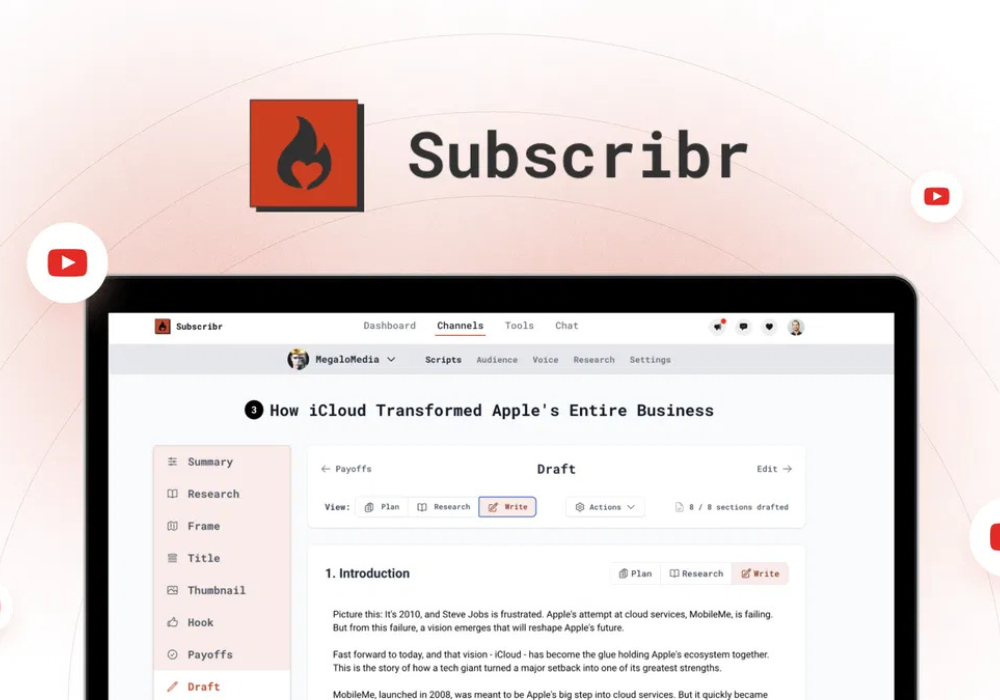
Sell before you build. It sounds backwards until you see what Gil Hildebrand did with Subscribr.

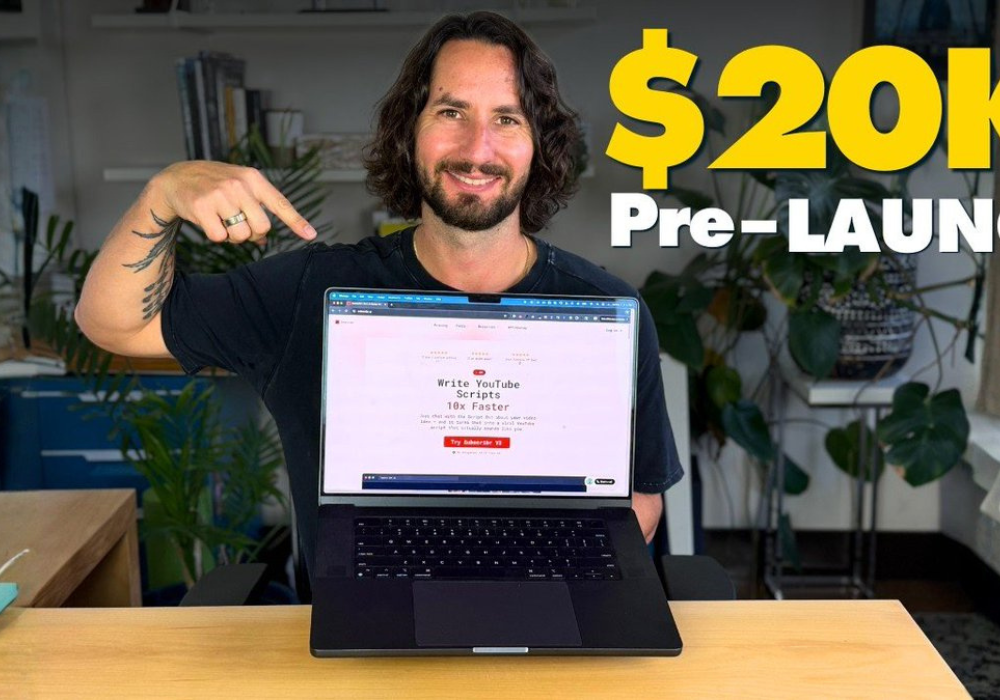
He sold 50 lifetime licenses to software that did not exist yet. The first ten were offered at one price, the next ten at a higher price, and the next ten higher again. The entire batch sold within two to three days and generated roughly $20,000, according to Startup Storys.

The deal came with a 60-day delivery promise, plus a full refund option before delivery and for two weeks afterward. In other words, Hildebrand wasn’t simply collecting money from people who liked the idea. He was creating a financial commitment around a product that still had to earn its way into existence.

That distinction matters.

Hildebrand had already spent months building an audience around the problem he wanted to solve. He analyzed more than 400 YouTube videos, published what he learned, built a free YouTube video analyzer, grew an email list, communicated with potential customers, and spoke directly with people who might eventually buy the product.

Only after that groundwork did he ask people to pay.

His philosophy, recorded in an Indie Hackers interview and reported by Startup Storys, was straightforward: validation comes from paying customers, not from likes or buzz.

Subscribr became a useful case study in what can happen when a founder chooses to sell before building. The pre-sale provided capital, but more importantly, it provided evidence that a specific group of people had a problem they were willing to pay to solve.

This is the part of the story worth studying.

The lesson isn’t simply that founders should launch lifetime deals or copy a $20,000 pre-sale. The more valuable lesson is the sequence that made the pre-sale possible: find the problem, create useful proof, build trust, develop an audience, test willingness to pay, and only then commit significant time and money to the product.

Here’s how Gil Hildebrand did it — and what founders can take from the strategy.

continue reading
en_USEnglish