

Table of Contents
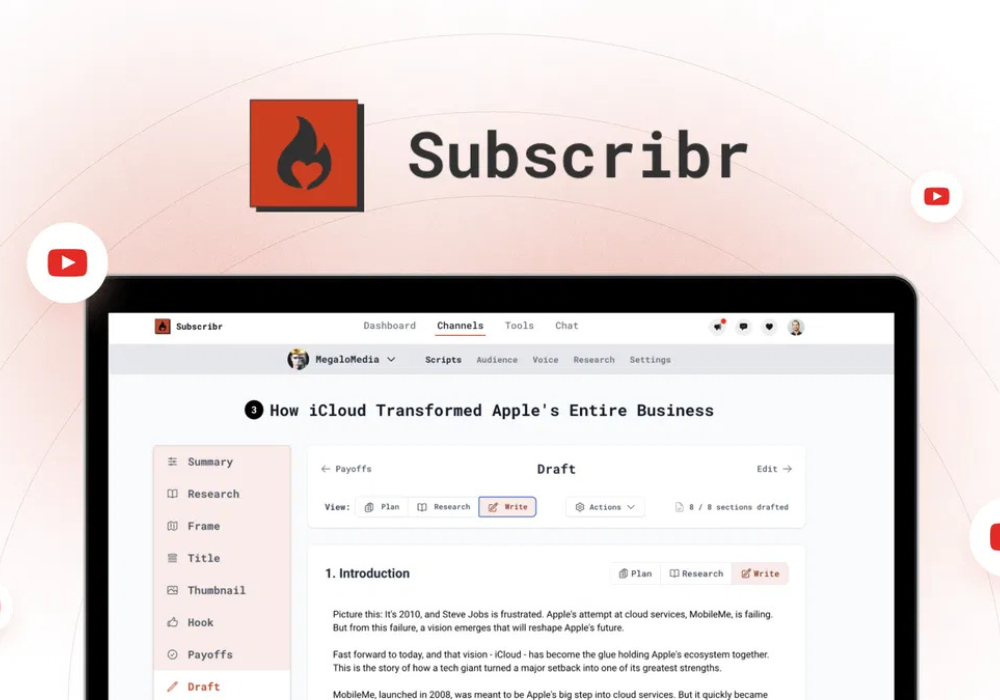
Sell before you build. It sounds backwards until you see what Gil Hildebrand did with Subscribr.
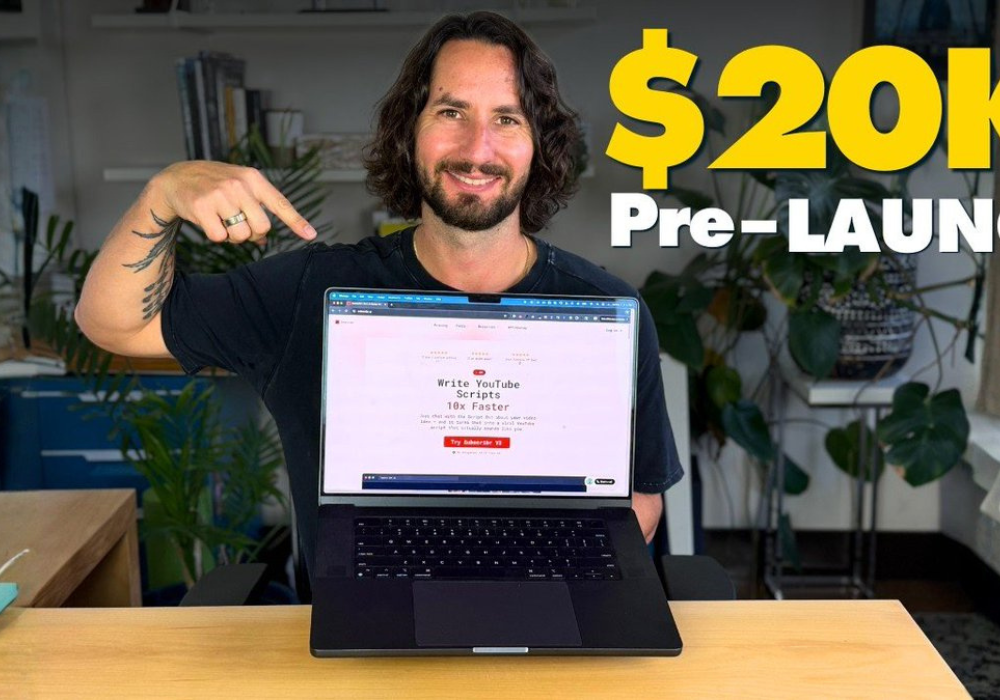
He sold 50 lifetime licenses to software that did not exist yet. The first ten were offered at one price, the next ten at a higher price, and the next ten higher again. The entire batch sold within two to three days and generated roughly $20,000, according to Startup Storys.
The deal came with a 60-day delivery promise, plus a full refund option before delivery and for two weeks afterward. In other words, Hildebrand wasn’t simply collecting money from people who liked the idea. He was creating a financial commitment around a product that still had to earn its way into existence.
That distinction matters.
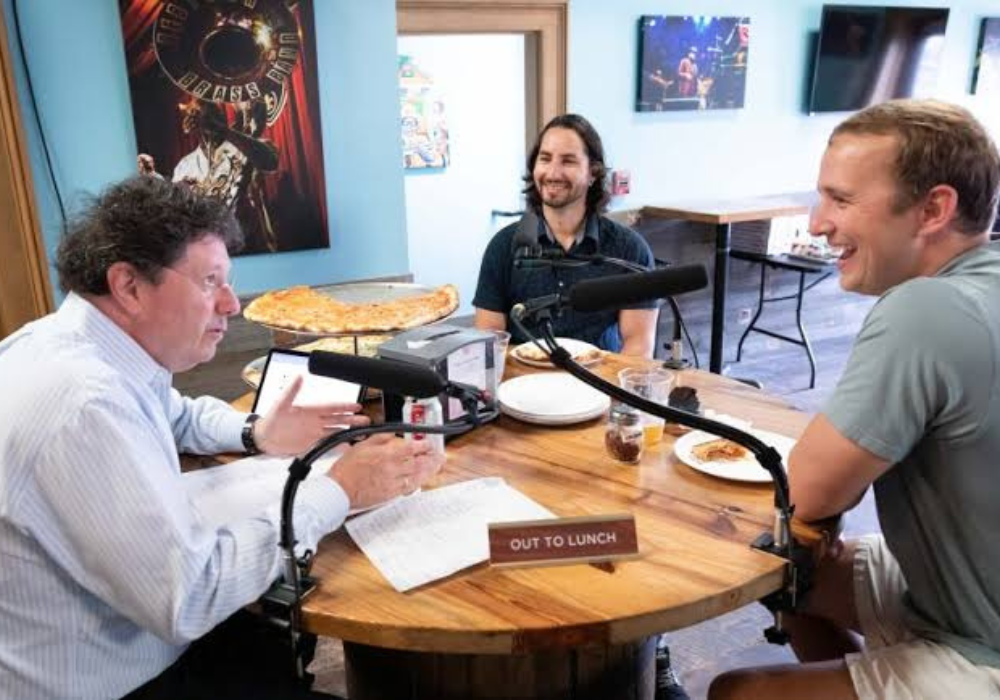
Hildebrand had already spent months building an audience around the problem he wanted to solve. He analyzed more than 400 YouTube videos, published what he learned, built a free YouTube video analyzer, grew an email list, communicated with potential customers, and spoke directly with people who might eventually buy the product.
Only after that groundwork did he ask people to pay.
His philosophy, recorded in an Indie Hackers interview and reported by Startup Storys, was straightforward: validation comes from paying customers, not from likes or buzz.
Subscribr became a useful case study in what can happen when a founder chooses to sell before building. The pre-sale provided capital, but more importantly, it provided evidence that a specific group of people had a problem they were willing to pay to solve.
This is the part of the story worth studying.
The lesson isn’t simply that founders should launch lifetime deals or copy a $20,000 pre-sale. The more valuable lesson is the sequence that made the pre-sale possible: find the problem, create useful proof, build trust, develop an audience, test willingness to pay, and only then commit significant time and money to the product.
Here’s how Gil Hildebrand did it — and what founders can take from the strategy.
continue reading English