Table of Contents
The email came through at 3:47 AM. I was awake, as I often was in those early years, staring at bolts of Ankara fabric piled in my Toronto apartment, wondering if I’d made a terrible mistake. The subject line read: “Kelly Rowland’s stylist.” I almost deleted it as spam.
“We’re interested in featuring ÖFUURË for an upcoming appearance. Do you have the Sunrise Kaftan in a size 6?”
I read it seven times. Then I called my mother in Nigeria, forgetting the time difference. She answered, alarmed. “Tehilah, what’s wrong?” I couldn’t speak. I just sent her a screenshot. She started crying. I started crying. Somewhere in Los Angeles, Kelly Rowland was about to wear a piece of clothing I had designed, made from fabrics that told stories my grandmother taught me.
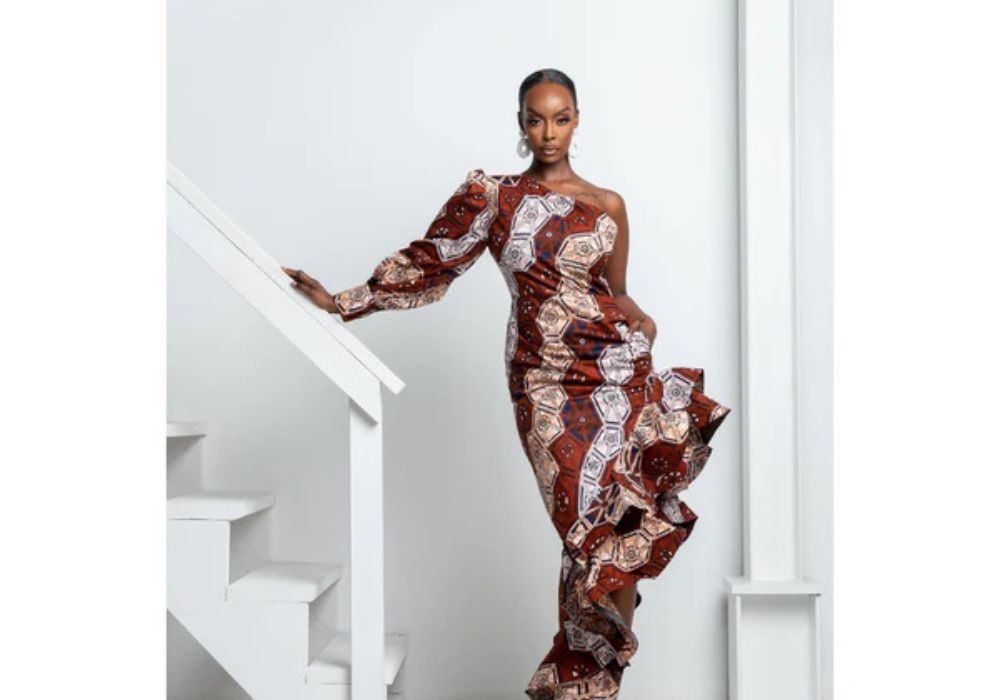
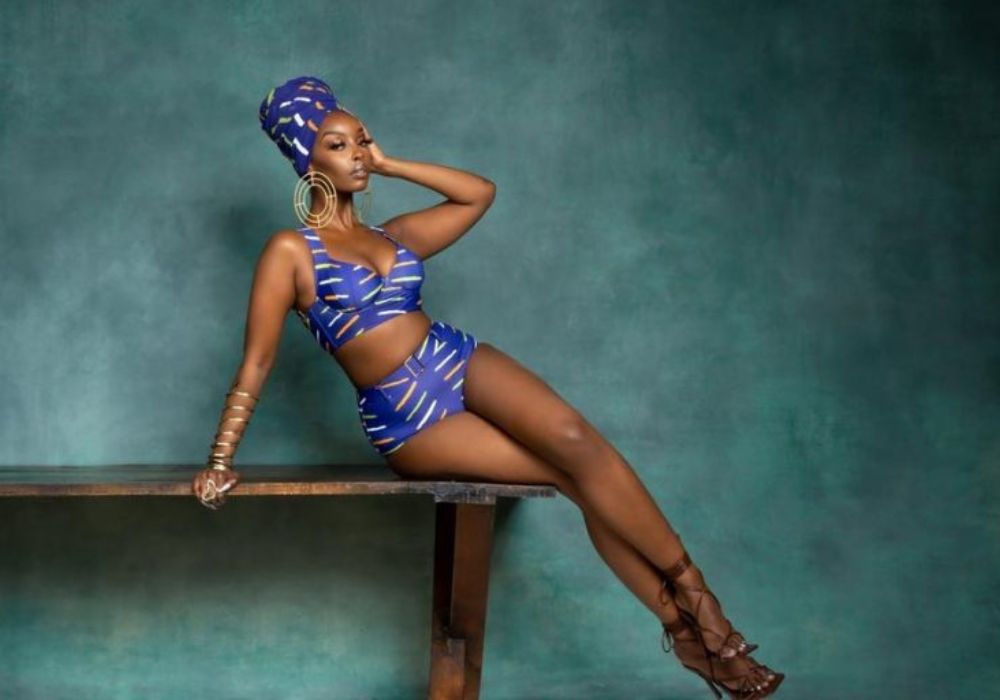
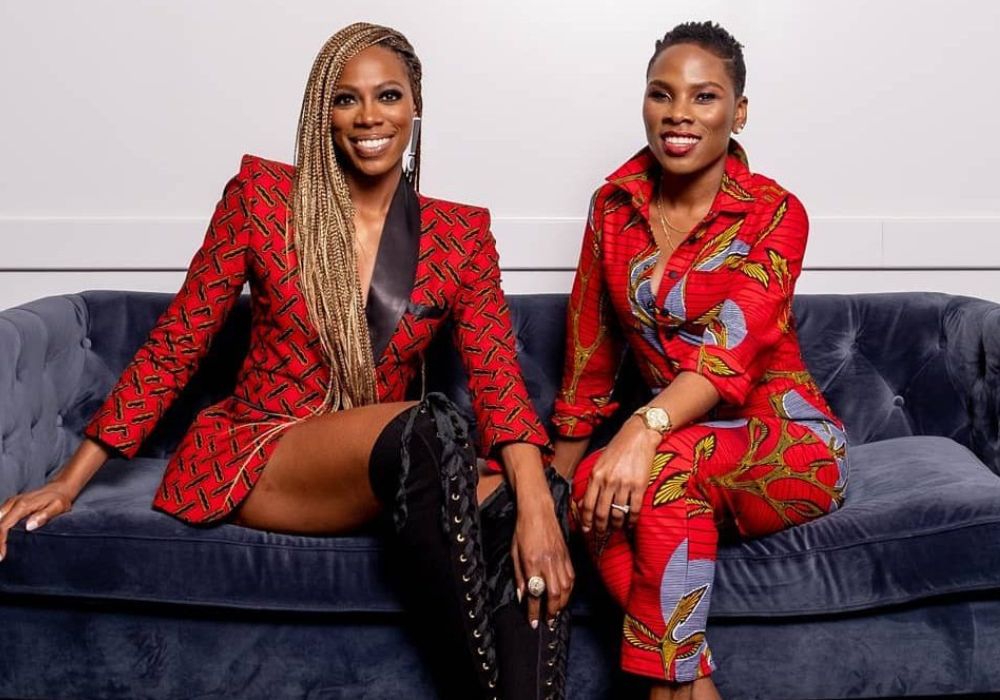
That moment wasn’t just validation. It was proof that the vision I’d carried since 2015—that African aesthetics deserved a global stage, that our vibrant colors and bold patterns could speak to women everywhere—was real. By 2026, our designs would be worn by a constellation of celebrities including Kelly Rowland, Tia Mowry, Nicole Ari Parker, Issa Rae, Yvonne Orji, Gabourey Sidibe, and Danielle Brooks . Our mobile app would be downloaded across 27 languages, from Arabic to Vietnamese . And a word from the Ishan language of Nigeria—Ofure, meaning “it is well”—would become a global fashion statement .
But that night, staring at that email, I was just a girl who believed that Black women everywhere deserved to feel like royalty.
continue reading English