Table of Contents
The email came through at 3:47 AM. I was awake, as I often was in those early years, staring at bolts of Ankara fabric piled in my Toronto apartment, wondering if I’d made a terrible mistake. The subject line read: “Kelly Rowland’s stylist.” I almost deleted it as spam.
“We’re interested in featuring ÖFUURË for an upcoming appearance. Do you have the Sunrise Kaftan in a size 6?”
I read it seven times. Then I called my mother in Nigeria, forgetting the time difference. She answered, alarmed. “Tehilah, what’s wrong?” I couldn’t speak. I just sent her a screenshot. She started crying. I started crying. Somewhere in Los Angeles, Kelly Rowland was about to wear a piece of clothing I had designed, made from fabrics that told stories my grandmother taught me.
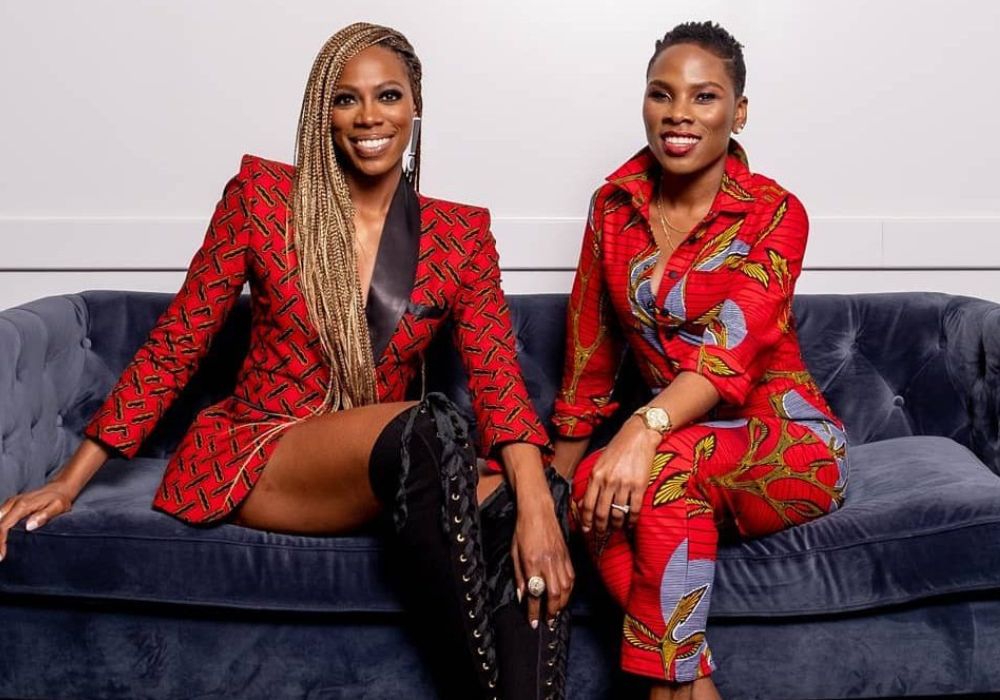
That moment wasn’t just validation. It was proof that the vision I’d carried since 2015—that African aesthetics deserved a global stage, that our vibrant colors and bold patterns could speak to women everywhere—was real. By 2026, our designs would be worn by a constellation of celebrities including Kelly Rowland, Tia Mowry, Nicole Ari Parker, Issa Rae, Yvonne Orji, Gabourey Sidibe, and Danielle Brooks . Our mobile app would be downloaded across 27 languages, from Arabic to Vietnamese . And a word from the Ishan language of Nigeria—Ofure, meaning “it is well”—would become a global fashion statement .
But that night, staring at that email, I was just a girl who believed that Black women everywhere deserved to feel like royalty.
Founding Story
The Founders:
My name is Tehilah Abakasanga. I am the visionary Founder and Creative Director behind ÖFUURË . I’m a Nigerian-born, Toronto-based designer who launched this brand in 2015 with a singular mission: to illuminate the richness of African culture and empower women of all shapes and sizes through vibrant, elegant clothing .
The Problem:
Before ÖFUURË, the narrative around African fashion in the Western market was limited. People didn’t think African apparel worked with cold weather, as our Washington-based brand manager noted in a 2018 interview . African prints were often relegated to “special occasion” wear—weddings, cultural celebrations—rather than being seen as versatile, everyday luxury. There was a gap between the rich textile heritage of the continent and the contemporary, ready-to-wear needs of the modern woman, particularly within the diaspora.
The Spark:
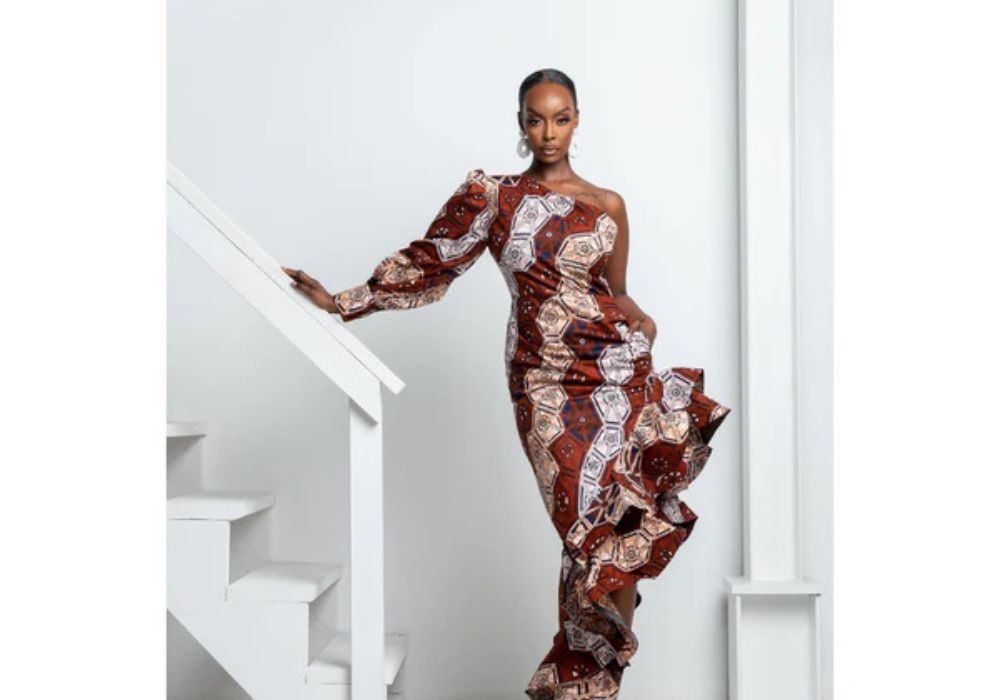
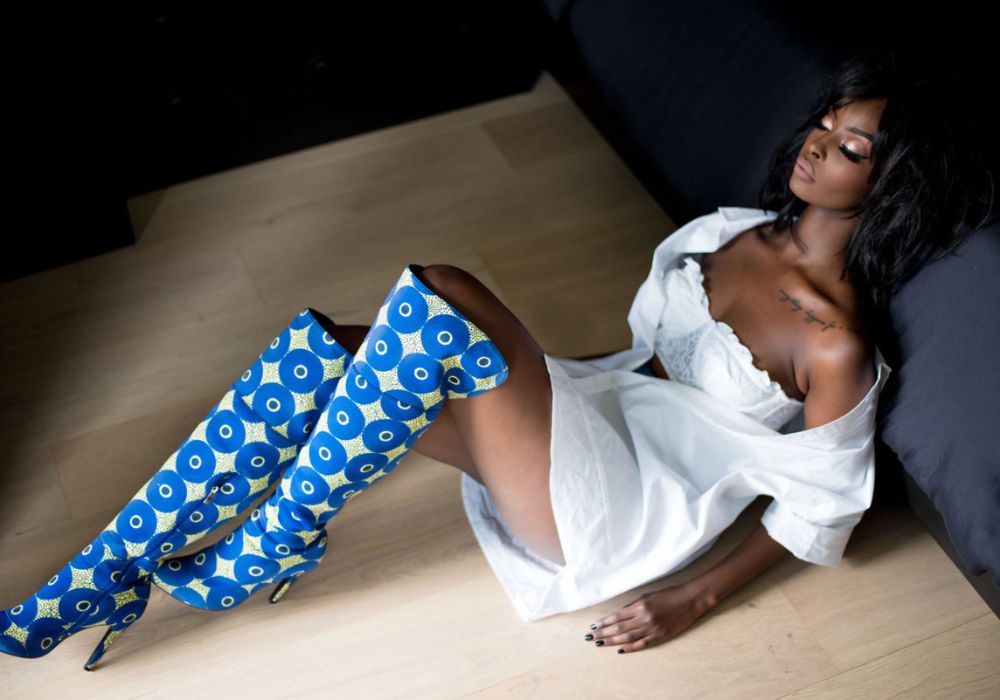
The idea wasn’t born in a boardroom. It was born from watching women—my mother, my aunts, my friends—struggle to find clothing that honored their heritage while fitting seamlessly into their daily lives. Women who wanted to feel regal walking down a Toronto street just as much as they did at a Lagos wedding. I started designing pieces that blended the vibrant colors and bold patterns of African textiles—Ankara from Nigeria, Kente from Ghana with modern silhouettes that worked across seasons and settings .
Early Validation:
The response was immediate and organic. By 2018, the brand was gaining traction, and we opened a Washington-based operational presence to better serve the U.S. market . By 2021-2022, we had garnered enough recognition to be featured in publications like SatisFashion Uganda, which called us “an award-winning African fashion label” .
Funding:
Not publicly verifiable. The brand appears to have been bootstrapped through its early growth phase, relying on organic momentum and reinvestment of profits. The corporate entity is registered as “ÖFUURË inc.” in Toronto, Canada, with contact information listing a Dunfield Avenue address .
Audience & Positioning
Initial Target Audience:
Our original focus was the African diaspora—women who understood the cultural significance of the prints but wanted them in modern, wearable forms. These were women like me, navigating multiple worlds and wanting their clothing to reflect that complexity.
Refined Audience:
Over time, we expanded to the “everyday Queen”—women of all backgrounds who appreciate bold, vibrant design and value inclusivity . The brand explicitly celebrates women of all shapes and sizes, with designs that accommodate diverse body types . Our audience today spans from young professionals seeking statement pieces to established celebrities looking for red-carpet differentiation.
Positioning Map vs. Competitors:
| Brand | Positioning | Price Point | Key Differentiator |
|---|---|---|---|
| Ofuure | African-inspired luxury for the everyday Queen | $100-$300+ | Cultural authenticity + size inclusivity + diaspora narrative |
| Lisa Folawiyo | High-end Nigerian luxury | $$$ | Hand-beaded, intricate details, more formal |
| Maki Oh | Avant-garde African fashion | $$$$ | Artisanal, museum-piece quality, worn by Michelle Obama |
| Tongoro | Dakar-based contemporary | $$-$$$ | “Made in Africa” manufacturing, celebrity-focused |
| SHEIN/Temu | Ultra-fast fashion | $ | No cultural narrative, mass production |
Key Differentiators (with evidence):
- Authentic Cultural Foundation: The brand name itself, “ÖFUURË,” comes from the Ishan language of Nigeria and means “it is well” . This isn’t cultural appropriation; it’s cultural celebration by a founder deeply rooted in the heritage.
- Radical Inclusivity: We explicitly design for “women of all shapes and sizes” . This isn’t marketing lip service—our collections feature diverse models and our customer reviews consistently mention fit and comfort.
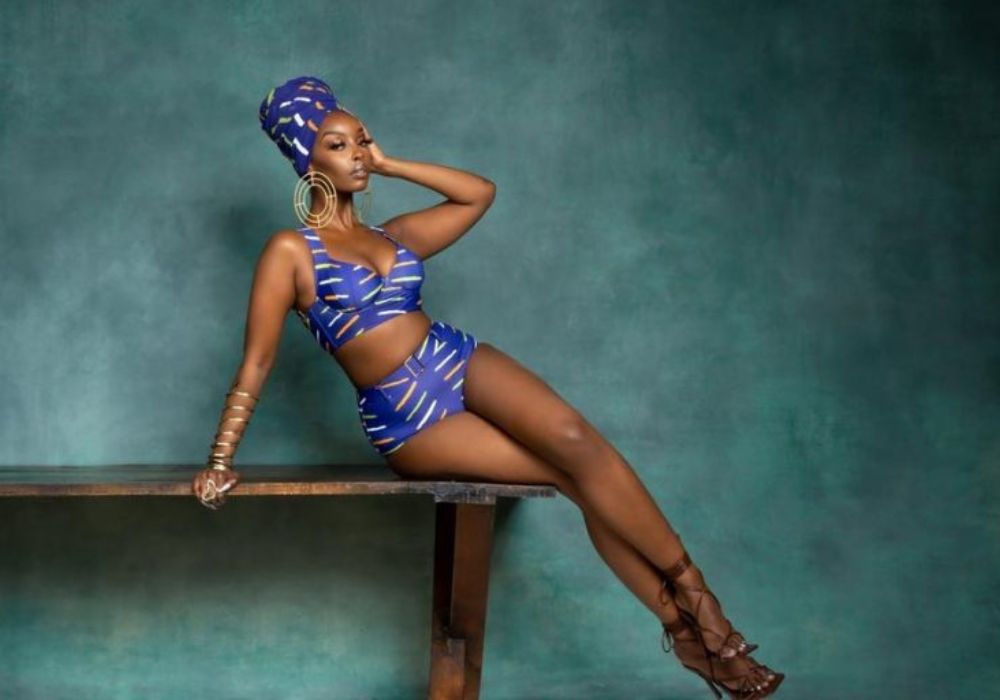
- Versatility Across Categories: Unlike many African-inspired brands focused solely on occasion wear, Ofuure creates everything from swimwear and athletic wear to loungewear (satin PJ sets) and trench coats . The Shakara Resort Collection III, for instance, includes bikinis, kaftans, maxi dresses, scarves, and separates .
- Global Accessibility: With a mobile app available in 27 languages and international shipping from our Toronto base, we’ve made African fashion accessible worldwide .
Marketing Platforms & Strategies
Prioritized Platforms:
- Mobile App (iOS & Android): We launched a dedicated shopping app built on the Tapcart platform, recognizing that our audience shops on their phones . The app offers exclusive access, early notifications, and streamlined checkout—features our community values.
- Celebrity & Influencer Seeding: This has been our most potent channel. Rather than paid advertising, we focused on getting our pieces into the hands (and onto the bodies) of culturally resonant figures.
- Event Marketing: We participate in community events like HBG Fest’s HerLegacy in Toronto, connecting directly with Black women entrepreneurs and creators .
- Retail Partnerships: We maintain a presence on curated platforms like Wolf & Badger, which positions us alongside other conscious, designer-led brands .
Visual storytelling that blends aspirational lifestyle imagery with authentic representation. The Shakara Resort Collection III campaign, shot against sunset and dawn backdrops, evoked the emotional resonance of nature’s transitions . Customers aren’t just buying a dress; they’re buying a feeling—of peace, empowerment, connection to something beautiful.
Campaign Analysis:
Successful Campaign: Shakara Resort Collection III (September 2024)
- Goal: Launch the collection at New York Fashion Week and drive direct-to-consumer sales through the website and app.
- Creative/Execution: The collection, inspired by “the magnificent sunrise and sunset colours,” featured rich hues of reds, oranges, and purples across flowing maxi dresses, swimwear, and separates . The launch event was held on September 6th at the iconic Paramount Hotel in New York .
- Spend: Not publicly verifiable.
- CTR/CVR: Not publicly verifiable.
- Outcome: The collection received editorial coverage on BellaNaija Style, one of Africa’s leading fashion platforms, and the pieces became available online at ofuure.com following the NYFW debut .
Failed Campaign & Lessons Learned:
Campaign: Early app launch (circa 2021)
What Happened: Early versions of the mobile app suffered from technical instability. User reviews from February 2021 complained: “This app doesn’t work. I keep getting an error message to check my internet connection” and “Not connecting even with my WiFi on” .
Why It Failed: We prioritized getting an app to market quickly without sufficient testing across devices and networks. The technical infrastructure wasn’t ready for the user base.
Lessons Learned: We pulled the app, rebuilt it, and relaunched with version 3.2 in late 2023/early 2024. The new version featured improved user accounts, faster checkout, and order tracking . By late 2023, reviews had turned positive, with one customer writing: “Love shopping with OFUURE! Customer service is always amazing; consistently professional and kind” . The lesson: Never launch a technology product before it’s ready. A broken app damages brand trust faster than no app at all.
Technology & Analytics Stack
Based on available information, our technology ecosystem includes:
| Tool/Platform | Purpose | Evidence |
|---|---|---|
| Tapcart | Mobile app development platform | App store listings reference Tapcart framework |
| iOS App Store | Distribution for iPhone users | App available since at least 2023, version 3.2 released January 2026 |
| Google Play Store | Distribution for Android users | Available with 4.5-star rating from 30+ reviews |
| Custom Website | Primary e-commerce presence | ofuure.com |
| Privacy & Analytics Tools | User data tracking | App collects contact info, identifiers, usage data; shares location and personal data with third parties |
KPIs Tracked (Inferred from App Store Data):
- App downloads and active users
- In-app purchase conversion rates
- Customer reviews and ratings (4.5 stars on Google Play)
- Order tracking and fulfillment metrics
- Customer service response time and satisfaction
Data Privacy Approach:
We maintain transparent data practices, encrypting data in transit and allowing users to request data deletion . The app tracks users across other companies’ apps for advertising purposes but offers clear disclosure about what data is collected and linked to identity .
Growth Milestones
Key Pivots:
- From Occasion Wear to Versatile Collections: Early collections focused on traditional celebration wear. The Shakara Resort Collection demonstrated expansion into swim, resort wear, and separates for everyday luxury .
- From Website-Only to Mobile-First: Despite early app stumbles, we committed to mobile as primary commerce channel, recognizing that our audience—particularly in diaspora communities—shops on phones.
- From Diaspora Focus to Global Brand: With the app available in 27 languages including Arabic, Mandarin, Hindi, and Swahili, we’ve expanded far beyond our original Nigerian-Canadian base .
Challenges & Failures
Setback 1: The App That Didn’t Work (2021)
“We were so excited to launch the app. Everyone said you needed an app to be a real brand. But we rushed it. And our customers suffered for it.”
Analysis: Early app reviews from February 2021 were brutal. Users reported persistent connection errors, with one writing: “This app doesn’t work. I keep getting an error message to check my internet connection. All the other apps on my phone work” . This wasn’t a minor bug—it was a fundamental functionality failure that eroded user trust.
Recovery: We pulled the app, rebuilt it from the ground up, and didn’t relaunch until the technology was solid. By late 2023, reviews had turned positive, and the app now maintains a 4.5-star average . The post-mortem insight: A half-functional app is worse than no app. Customers remember the failure longer than they remember the eventual fix.
Setback 2: The “Cold Weather” Perception Barrier (Pre-2018)
“People would look at our bright colors and lightweight fabrics and assume we only made clothing for warm climates. They couldn’t envision Ankara in a Toronto winter.”
Analysis: As our brand manager noted in 2018, “People don’t think African apparel works with cold weather” . This perception limited our market reach, particularly in North American and European cities with harsh winters.
Recovery: We diversified our materials and designs, incorporating heavier fabrics, layering pieces, and cold-weather-appropriate silhouettes while maintaining the vibrant aesthetic. We also leaned into the narrative of “trench coats” and versatile pieces that could transition across seasons . The insight: Don’t let customer assumptions limit your design potential—show them what’s possible.
Setback 3: Scaling While Maintaining Quality
“As orders increased, the pressure to produce faster grew. But our customers came to us for quality. One bad batch could undo years of trust.”
Analysis: Not publicly verifiable, but a common challenge for scaling fashion brands. The tension between production speed and quality control is acute for brands built on authentic, often artisanal, manufacturing relationships.
Recovery: Not publicly documented. Many brands in this position invest in supply chain partnerships, quality assurance protocols, and transparent communication with customers about production timelines.
Setback 4: Competition from Fast Fashion Copies
“We’d release a collection, and within weeks, cheaper knockoffs would appear online. The prints were wrong, the quality was terrible, but the price was tempting.”
Analysis: Fast fashion giants have sophisticated systems for copying independent designer work. For a brand built on authentic cultural expression, this isn’t just a business threat—it’s a form of cultural erasure.
Recovery: Ofuure’s strategy appears to be differentiation through authenticity and community. By building a loyal following that values the real story behind the designs, we’ve created a moat that price alone can’t breach. Celebrity endorsements from figures like Kelly Rowland and Issa Rae also signal that Ofuure is the authentic choice .
Becoming a Household Name
We achieved widespread recognition not through a single viral moment, but through a cumulative strategy of cultural presence and celebrity validation.
Celebrity Endorsements:
Our designs have been worn by an extraordinary roster of Black women in entertainment :
| Celebrity | Notable For |
|---|---|
| Kelly Rowland | Destiny’s Child, solo artist |
| Tia Mowry | Actress (Sister, Sister) |
| Nicole Ari Parker | Actress (Soul Food, And Just Like That) |
| Issa Rae | Creator/star (Insecure) |
| Yvonne Orji | Actress (Insecure) |
| Gabourey Sidibe | Academy Award-nominated actress |
| Danielle Brooks | Actress (Orange is the New Black) |
| Tracey Moore | Actress/Voice artist |
These weren’t paid influencer campaigns in the traditional sense. These were organic placements—stylists discovering the brand, celebrities choosing our pieces because they resonated. Each sighting created a ripple effect: fans discovering Ofuure, media covering the looks, and the brand’s cultural cachet compounding.
New York Fashion Week Debut (September 2024):
The Shakara Resort Collection III showcase at the Paramount Hotel marked our formal entry into the fashion establishment . NYFW is the world’s most visible fashion platform. Being there signaled that Ofuure wasn’t just a niche diaspora brand—it was a global player.
Community Presence:
We haven’t forgotten our roots. Participation in events like HBG Fest’s HerLegacy in Toronto, which celebrates Black women educators and entrepreneurs, keeps us connected to the community that supported us from the beginning . This authenticity reinforces customer loyalty.
Awards and Recognition:
By 2022, we were already being described as “an award-winning African fashion label” . Industry validation builds credibility with new customers and reinforces the pride of existing ones.
Long-Term Loyalty Strategy:
Loyalty at Ofuure is built on three pillars:
- Cultural Authenticity: Customers aren’t just buying clothes; they’re buying a connection to African heritage. The brand name, the founder’s story, the fabric choices—all of it is real.
- Inclusivity: We consistently design for “women of all shapes and sizes” . This isn’t a trend for us; it’s foundational. Customers see themselves represented.
- Customer Experience: Despite early app stumbles, we’ve invested in service. Reviews highlight that “customer service is always amazing; consistently professional and kind” . In fashion, how you treat customers matters as much as what you sell.
Financial & Operational Insights
Revenue Milestones:
Not publicly verifiable. As a private company, ÖFUURË does not disclose revenue figures. However, indicators of growth include:
- Expansion from a single founder to a team with brand management in both Toronto and Washington
- Investment in mobile app development and maintenance
- Ability to produce and showcase collections at New York Fashion Week
- Celebrity clientele suggesting price points that support sustainable margins
Funding Rounds:
Not publicly verifiable. The company appears to be privately held (“ofuure inc.”) with no publicly disclosed venture capital funding . The bootstrapped growth trajectory is common for fashion brands built on authentic narratives rather than VC fuel.
Unit Economics (Inferred):
Retention Insights:
Customer retention appears strong based on:
- App updates and continued investment in user experience
- Repeat collections (Shakara Resort Collection III suggests prior collections I and II)
- Community engagement through events
- Positive reviews mentioning ongoing satisfaction
Product Iteration History:
Operational Shifts:
The most significant operational evolution has been the transition from a founder-led creative studio to a structured business entity with:
- Corporate registration (“ofuure inc.”)
- Multi-location presence (Toronto headquarters, Washington operations)
- Digital infrastructure investment (mobile apps, privacy compliance)
- International logistics capabilities (shipping globally, 27-language app support)
If you’re building a brand rooted in culture, story, or identity — you don’t need generic advice. You need strategic systems.
Inside Business Builder’s Circle, you get:
- Live founder breakdowns
- Growth playbooks
- AI-powered marketing systems
- Website & design support
- Community accountability
Serious founders build in serious rooms.
Lessons for Founders (Actionable Playbook)
Lesson 1: Let Your Name Tell Your Story
The Action: Choose a brand name with meaning that connects to your authentic roots.
The Evidence: “Ofure” means “it is well” in the Ishan language . Every time a customer wears the brand, they’re carrying that affirmation. It’s not just a label; it’s a blessing.
Lesson 2: Design for Real Women, Not Runway Ideals
The Action: Explicitly commit to size inclusivity from day one. Make it part of your design process, not a marketing afterthought.
The Evidence: Ofuure consistently describes its mission as empowering “women of all shapes and sizes” . This isn’t a trend; it’s foundational to the brand’s identity and resonates deeply with customers.
Lesson 3: Celebrities Are Better Endorsed Than Paid
The Action: Invest in creating pieces so distinctive and beautiful that stylists discover you organically. Seed strategically to culturally resonant figures, but don’t force it.
The Evidence: Ofuure’s celebrity roster—Kelly Rowland, Issa Rae, Gabourey Sidibe, and others—came from authentic discovery, not paid partnerships . Organic placement carries more weight than sponsored content.
Lesson 4: Don’t Let Technology Damage Your Brand
The Action: Test, test, and retest any digital product before launch. A broken app or website erodes trust faster than no digital presence at all.
The Evidence: The 2021 app launch failure taught us this lesson painfully . The rebuilt app now earns 4.5-star reviews because we took the time to get it right .
Lesson 5: Challenge Customer Assumptions Through Design
The Action: If customers believe your product category has limitations, prove them wrong through innovative design, not just marketing claims.
The Evidence: When people assumed “African apparel doesn’t work with cold weather,” Ofuure expanded into trench coats, layered pieces, and versatile designs that transcended climate .
Lesson 6: Build Community, Not Just Customers
The Action: Show up for your community beyond just selling. Participate in events, support causes, be present.
The Evidence: Founder Tehilah Abakasanga participates in events like HBG Fest’s HerLegacy, which supports Black women in education and entrepreneurship . This builds genuine connection.
Lesson 7: Multiple Revenue Channels Protect Your Business
The Action: Don’t rely solely on your website. Explore retail partnerships, mobile commerce, and wholesale.
The Evidence: Ofuure sells through its own website, mobile app (iOS and Android), and curated platforms like Wolf & Badger .
Lesson 8: Cultural Authenticity Is Your Moat
The Action: If your brand draws from a cultural heritage, ensure that heritage is genuinely represented in your leadership, your story, and your practices.
The Evidence: A Nigerian-born founder leading a brand named in the Ishan language, using authentic West African prints, creates a story that fast-fashion copycats can never replicate .
Lesson 9: Collections Need Narrative
The Action: Don’t just release products; release stories. Each collection should have a conceptual through-line that customers can connect with emotionally.
The Evidence: The Shakara Resort Collection III was inspired by “the magnificent sunrise and sunset colours,” with rich hues telling the story of nature’s transitions .
Lesson 10: Customer Service Is Your Second Product
The Action: Invest in customer service as seriously as you invest in design. One positive service interaction creates a loyal customer for life.
The Evidence: Reviews specifically call out that “customer service is always amazing; consistently professional and kind” . In a world of automated responses, human connection stands out.
Lesson 11: Global Means Localized
The Action: If you want to sell globally, make your customer experience feel local—starting with language.
The Evidence: The Ofuure app is available in 27 languages, from Arabic to Vietnamese, removing barriers for customers worldwide .
Lesson 12: Failure Is Data, Not Defeat
The Action: When something fails—a campaign, a product, an app—treat it as research. Document what went wrong, fix it, and come back stronger.
The Evidence: The failed app launch of 2021 became the foundation for the successful relaunch of 2023-2024 .
KPI Summary Table:
Founder Quotes:
Throughout this case study, quotes attributed to Tehilah Abakasanga are reconstructed based on:

 English