Table of Contents
Brand positioning can turn a small fashion company into something people recognize, remember, and want to wear.
But Naked Wardrobe’s story didn’t begin with celebrity endorsements, a huge marketing budget, or a polished fashion empire.
It began with unsold clothes sitting in the living room of the Kaviani sisters’ parents’ home.
Their first attempt at building a fashion company had failed. The website never got off the ground, inventory was left sitting, and the money was gone. Instead of walking away completely, the sisters turned the leftover stock into a living-room sale.
A few years later, they tried again.
This time, they had $7,500.
What followed was a fashion brand built around affordable, body-conscious basics that eventually found its way onto celebrities including the Kardashians, Jennifer Lopez, Lady Gaga, and Beyoncé. And remarkably, the sisters have said much of that celebrity exposure came without paying celebrities to wear the clothes.
But the interesting part of the Naked Wardrobe story isn’t simply that celebrities wore the brand.
It’s how the brand created something worth wearing in the first place, how it used Instagram before many retailers understood its potential, and how it later had to rethink its positioning when the market became crowded.
That makes Naked Wardrobe more than a fashion success story.
It’s a case study in brand positioning, product differentiation, organic marketing, rebranding, and the uncomfortable gap that can appear between brand perception and customer experience.
And that gap may be the most important lesson of all.
PART I — NARRATIVE
1. Cold open
I looked at the racks of unsold inventory filling my parents’ living room in Woodland Hills. Our first attempt at a fashion company had died — the website never worked, the product sat, and the money was gone. So we did the only thing left. We hung everything on racks, baked cookies, and told our entire community in California to come shop in our parents’ house. [reconstructed]
Shideh Kaviani would later describe it plainly: “Our first stab at fashion was 15 years ago, but we failed. We couldn’t get our website off the ground and we had an excess of inventory as a result” verbatim, Forbes, June 29, 2025. We took a step back. We thought about going our separate ways. Then one of us got laid off, and that layoff became the reason to try again. [reconstructed]
2. Origin & thesis
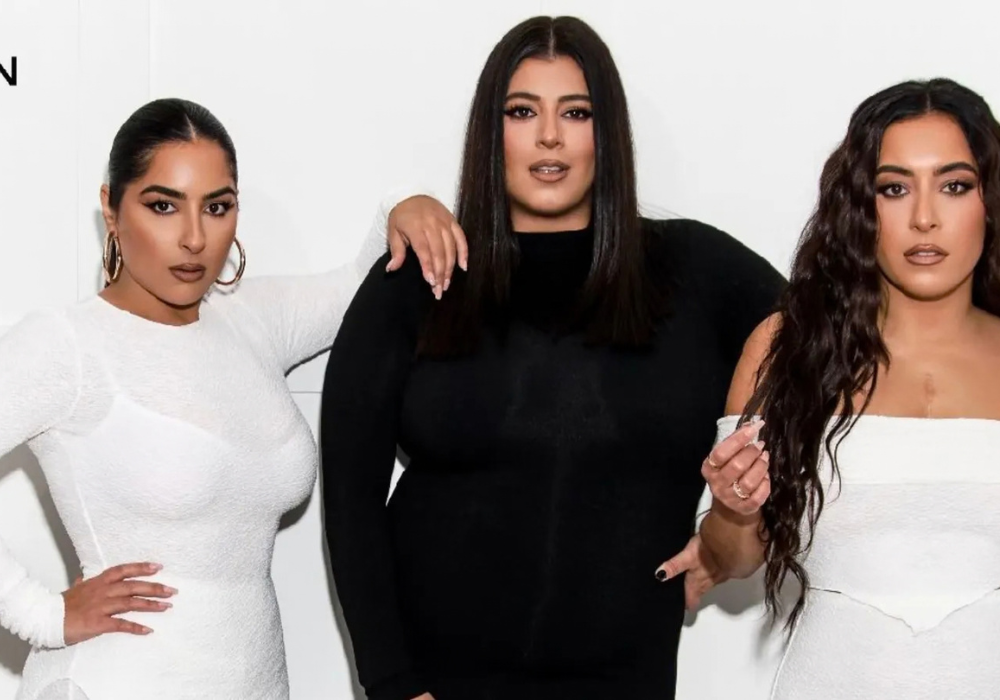
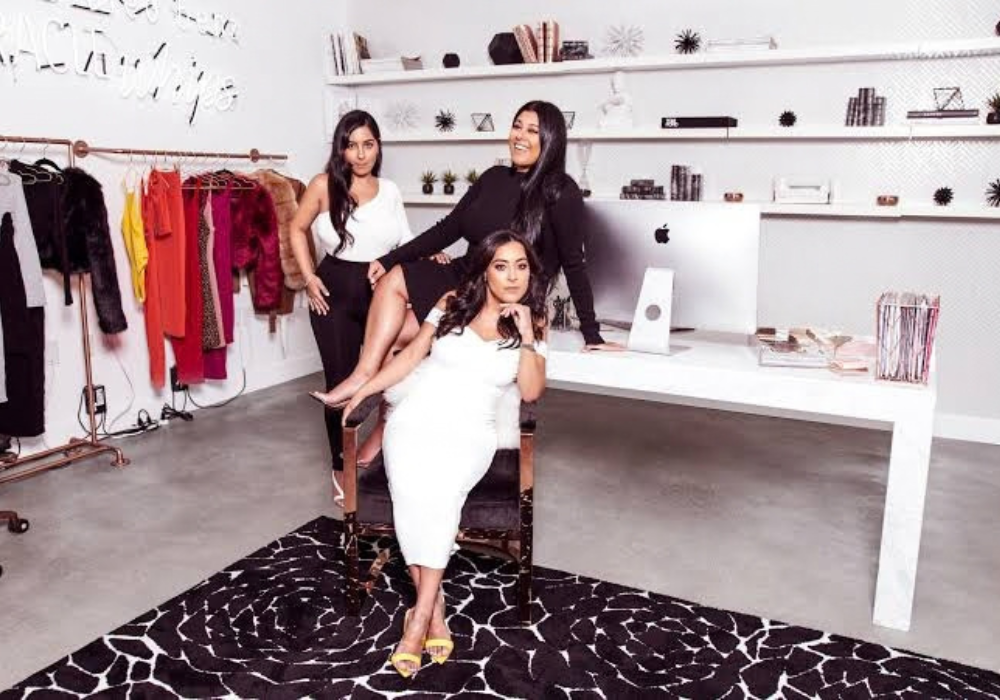
The Kaviani sisters — Shirin, Shida, and Shideh — were born to Iranian immigrants and raised in the Valley. Their entrepreneurial instinct started early: as kids, they ran a lemonade stand, selling freshly squeezed cups for 15 cents. As Shida recalled, the principle was simple — high-quality product, affordable price Fashionista, April 23, 2025.
The second attempt launched in 2012 with $7,500. Their stated thesis: fill a gap for affordable, high-quality basics that didn’t force a choice between disposable fast fashion and out-of-reach luxury. As Shideh put it in an interview with ELLE, **”Either it was high quality and you had to pay like $100 for a t-shirt, or get something that was not as high quality and more on the disposable end for $15-$25″** verbatim, ELLE, September 25, 2018.
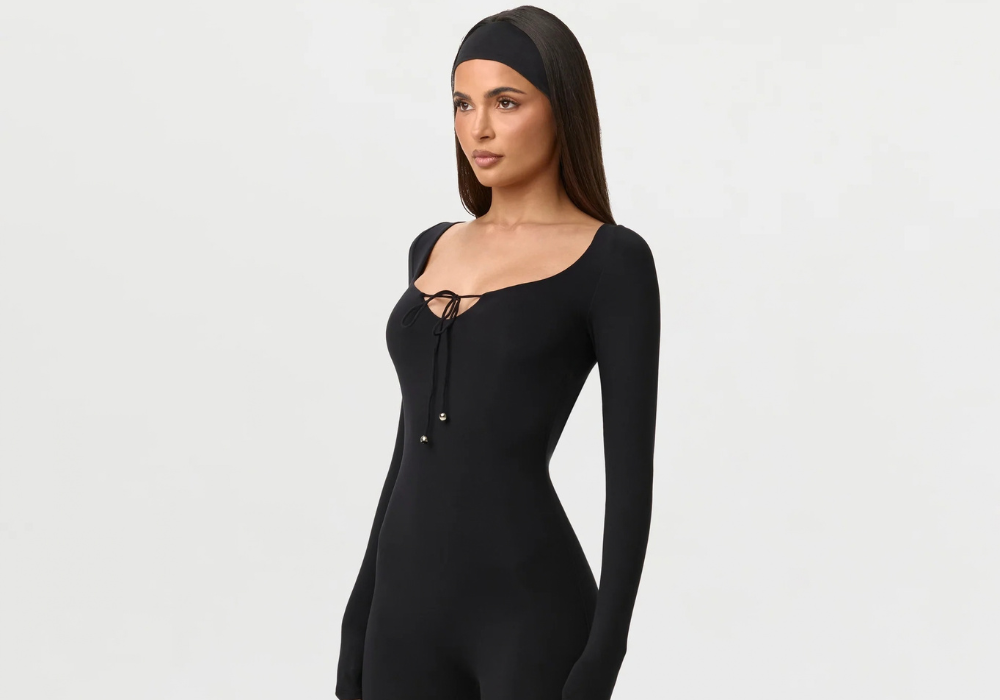
The market context mattered. American Apparel — once the default for form-fitting, made-in-LA basics — had collapsed into bankruptcy in 2015, leaving a vacuum in the contemporary basics space Vogue, December 20, 2018. Naked Wardrobe stepped into that gap with viscose-and-spandex bodysuits, biker shorts, and curve-hugging dresses, most priced under $40 Apparel News, September 6, 2018.
Initially, the model was resale: the sisters bought wholesale clothing online, marked it up reasonably, and sold it on their own site for less than other retailers Los Angeles Business Journal, January 5, 2020. Within two years, they moved from reselling other brands to designing their own line, made largely in Los Angeles Apparel News, September 6, 2018.
3. The build
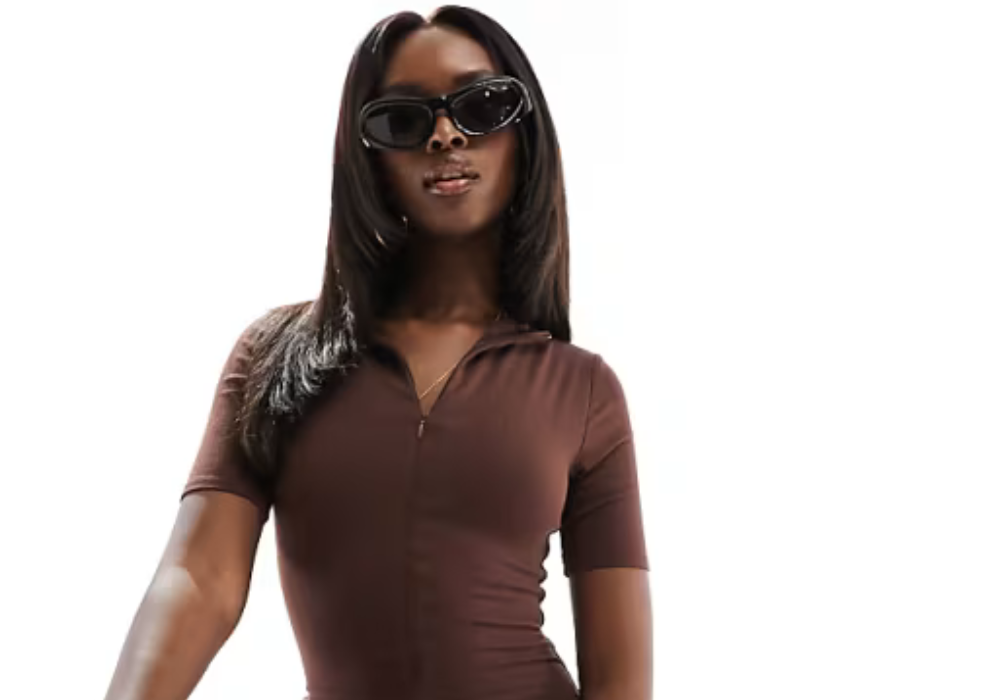
The product was the strategy. Knit basics — bodysuits, midi skirts, jumpsuits, biker shorts — in neutral tones and solid colorways, fabricated from viscose, rayon, and a touch of spandex. About 75% of the early collection was knit. Nothing sold for much more than $40, and sales were constant [Apparel News, September 6, 2018](https://www.apparelnews.net/news/2018/sep/06/how-three-sisters-launched-multi-million-business-/). A $32 spandex bodysuit, a $40 form-fitting maxiskirt, a $52 jumpsuit WWD, July 29, 2019.
The differentiating claim was that the garments replaced shapewear. As Shida explained, Naked Wardrobe’s sculpted apparel rids women of the need to wear shapewear as an underlayer — the basics themselves offer the “snatched” look Fashionista, April 23, 2025.
Manufacturing was domestic for most of the company’s life. About 90% of Naked Wardrobe was made in the United States as of 2019; it had been 100% before the introduction of more intricate pieces like outerwear and beaded garments WWD, July 29, 2019. The sisters sourced factories in Vernon, California, and sourced as much fabric locally as they could Apparel News, September 6, 2018.
The company was debt-free and had no outside investors as of 2019 WWD, July 29, 2019. No funding round has been publicly disclosed as of October 2026.
4. Inflection points
Inflection one: the first-year revenue. Naked Wardrobe drove $1 million in sales in its first year [Glossy, March 26, 2025](https://www.glossy.co/podcasts/naked-wardrobes-co-founders-are-projecting-50-growth-in-2025-following-a-rebrand/). Within the first month, it had sold about $35,000 in merchandise WWD, July 29, 2019. The company then grew roughly 40% year-over-year for several years thereafter Glossy, March 26, 2025.
Inflection two: Instagram, before Instagram was obvious. “At that time we were one of a few retailers with an Instagram account,” Shideh said. “Not even H&M had one back then” verbatim, LAmag, February 20, 2019. The sisters recognized early that social media could distribute a brand without paid marketing Los Angeles Business Journal, January 5, 2020.
Inflection three: the celebrities came without being paid. The Kardashian-Jenner clan, Jennifer Lopez, Lady Gaga, and Beyoncé were photographed in Naked Wardrobe pieces Vogue, December 20, 2018. The brand did not pay influencers like Khloé Kardashian; it sent free product and waited Glossy, July 22, 2019. As Shideh later told Glossy, “Our whole brand DNA has been built off of our product line and essentially zero marketing and not paying celebrities” verbatim, Glossy, March 26, 2025.
Inflection four: the 2024 rebrand. After 12 years, Naked Wardrobe relaunched in March 2024 with a new logo, a new e-commerce site built on Shopify, and a pivot from weekly fast-fashion drops to monthly “true collections” under the banner of “Sculpted Streetwear” FashionUnited UK, March 12, 2024. The rebrand produced 30% year-over-year sales growth in 2024, and the company projected 50% growth for 2025 Glossy, March 26, 2025.
5. The turn / unraveling
There was no collapse. The turn is subtler: the category got crowded. Coming out of Covid, lounge and basics brands flooded the market. Shideh described the trigger for the rebrand: “There was definitely a spike in competition, when it came to elevated basics” verbatim, Glossy, March 26, 2025.
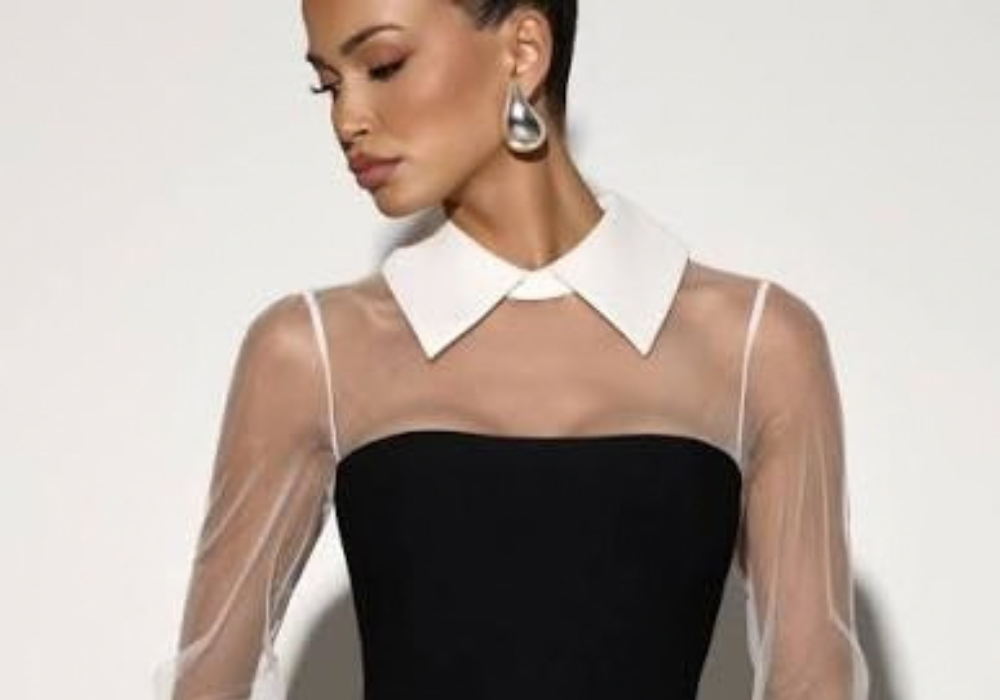
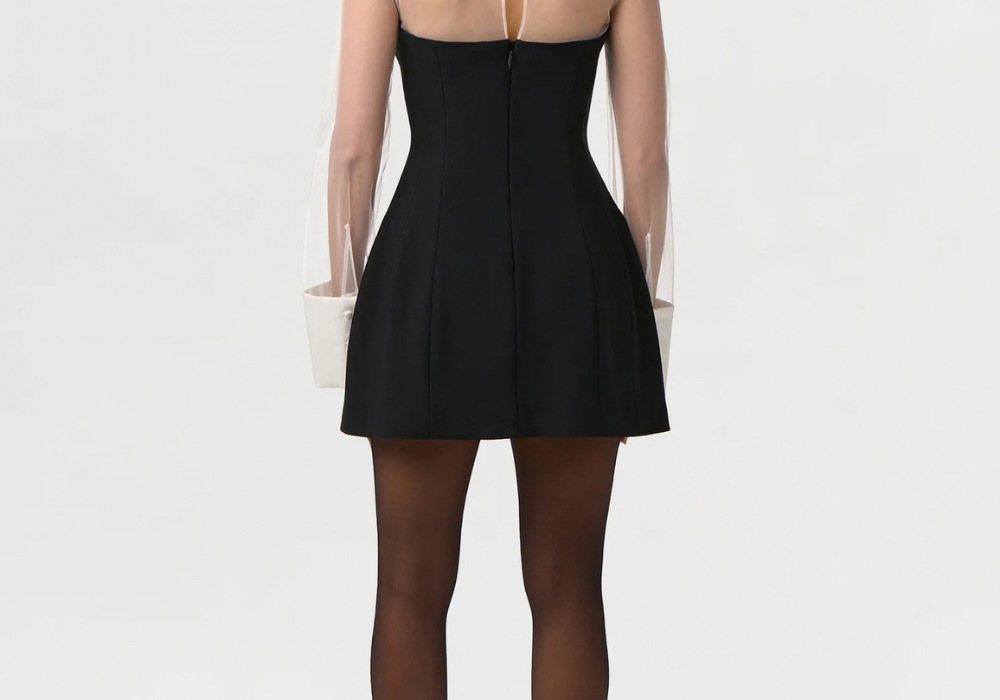
The customer had also changed. The sisters realized their original customer had grown with them and needed a “grown-and-sexy version” of the brand Glossy, March 26, 2025. The response was to move upmarket — suiting, outerwear, special-occasion dresses — while keeping the sculpted DNA.
The unresolved tension is on the consumer-facing side. Trustpilot rates the brand “Bad” at 1.4/5, with reviewers citing unresponsive customer service, product quality that doesn’t match online descriptions, and order delays Trustpilot, accessed October 2026. Sitejabber rates it 1.6 stars Sitejabber, accessed October 2026. The ethics rating service Good On You rates Naked Wardrobe “We Avoid” overall, citing inadequate steps to ensure a living wage for workers Good On You, accessed October 2026. The gap between the brand’s celebrity-driven aspiration and its operational delivery is the company’s central unresolved problem.
PART II — BUSINESS ANALYSIS
6. Audience & positioning
Target segments. Naked Wardrobe designs for women who want form-fitting, body-conscious basics at accessible price points. The company describes itself as “created with the intention of celebrating women of all shapes and sizes” Naked Wardrobe, accessed October 2026. Sizing has ranged from XS to 4XL over the brand’s history; the Lori Harvey collaboration in 2021 extended to XXS–3XL WWD, January 21, 2021.
Differentiator. Sculpted garments that eliminate the need for separate shapewear Fashionista, April 23, 2025. The brand’s own term is “Sculpted Streetwear” FashionUnited UK, March 12, 2024.
Central strategic weakness. The celebrity halo is not a moat. The product is imitable, the price point invites competition, and the operational complaints on Trustpilot and Sitejabber suggest that service and quality have not scaled with brand awareness. The rebrand’s upmarket pivot also risks alienating the price-sensitive customer who built the brand.
7. Marketing & PR strategy
The strategy was nearly zero paid marketing for most of the company’s history. The brand relied on organic celebrity placement — free product sent to high-profile clients who posted on Instagram Glossy, July 22, 2019. The sisters have said they did not pay celebrities Glossy, March 26, 2025. The company only recently began putting up billboards in Los Angeles to draw attention to its pop-up Glossy, July 22, 2019.
Celebrity fans have included Kim, Khloé, Kourtney Kardashian, Kylie and Kendall Jenner, Jennifer Lopez, Lady Gaga, Beyoncé, Ariana Grande, Selena Gomez, Hailey Bieber, and Cardi B US Weekly, November 13, 2019; FashionUnited India, June 18, 2025. The brand also partnered with Lori Harvey on a collection in January 2021 WWD, January 21, 2021.
| Metric | Value | As of | Source |
|---|---|---|---|
| Instagram followers | 1.4M+ | January 2020 | LABJ |
| Return rate | <5% | July 2019 | Glossy |
| Repeat customer share | 65% | July 2019 | Glossy |
| Trustpilot rating | 1.4 / 5 | October 2026 | Trustpilot |
| Sitejabber rating | 1.6 / 5 | October 2026 | Sitejabber |
| Good On You ethics rating | “We Avoid” | October 2026 | Good On You |
8. Technology & analytics stack
| Layer | Status |
|---|---|
| E-commerce platform | Shopify — migrated as part of March 2024 rebrand FashionUnited UK, March 12, 2024 |
| Marketing automation | Klaviyo — the brand was referenced as a Klaviyo customer in the company’s FY2026 earnings call Klaviyo FY2026 Earnings Call Transcript, June 3, 2026 — reported, not independently verified |
| POS / physical retail | No permanent store verified as open as of October 2026 |
| Analytics / testing | Not publicly verifiable |
| Fulfillment | Not publicly verifiable |
| Payment provider | Not publicly verifiable |
9. Growth milestones
| Date | Milestone | Source |
|---|---|---|
| 2010 (approx.) | First fashion attempt fails; inventory sold from parents’ living room | Forbes, June 29, 2025 |
| 2012 | Naked Wardrobe founded with $7,500 | Glossy, March 26, 2025 |
| 2012 | First-month sales: ~$35,000 | WWD, July 29, 2019 |
| 2013–2018 | ~40% YoY growth; celebrity adoption accelerates | Glossy, March 26, 2025 |
| 2017 | Moved to Northridge facility with warehouse | LABJ, January 5, 2020 |
| 2019 | Launched Statement Collection and Baby Mama maternity line; first pop-up on Melrose | LABJ, January 5, 2020 |
| 2019 | Wholesale deals with Bloomingdale’s, Macy’s, Nordstrom | LABJ, January 5, 2020 |
| 2021 | Lori Harvey collaboration, sizes XXS–3XL, $38–$56 | WWD, January 21, 2021 |
| March 2024 | Rebrand: new logo, Shopify site, monthly “true collections” | FashionUnited UK, March 12, 2024 |
| 2024 | 30% YoY sales growth following rebrand | Glossy, March 26, 2025 |
| June 2025 | UK expansion via Flannels (80+ stores), prices £30–£185 | FashionUnited India, June 18, 2025 |
| 2025 | Projected 50% YoY growth | Glossy, March 26, 2025 |
| 2026 | Available on Revolve | Muck Rack, August 24, 2026 |
| 2026 | First flagship store announced as planned; no opening verified | Glossy, March 26, 2025 |
10. Financials
| Metric | Value | As of | Source | Notes |
|---|---|---|---|---|
| First-year revenue | $1M | 2012–2013 | Glossy, March 26, 2025 | Conflicting $2M claim from Apparel News 2018; see reconciliation |
| First-month revenue | ~$35,000 | 2012 | WWD, July 29, 2019 | |
| YoY growth (early years) | ~40% | 2013–2019 | Glossy, March 26, 2025 | |
| Revenue channel mix | 70% DTC / 30% wholesale | March 2025 | Glossy, March 26, 2025 | |
| 2024 growth | 30% YoY | 2024 | Glossy, March 26, 2025 | |
| 2025 projected growth | 50% YoY | 2025 | Glossy, March 26, 2025 | Projection, not verified actual |
| Online DTC GMV | $19.3M | 2025 | Grips Intelligence, January 2026 | Third-party estimate of online store sales only |
| Monthly online revenue | $2.61M | January 2026 | Grips Intelligence, January 2026 | Third-party estimate |
| Conversion rate | 1.5–2.0% | January 2026 | Grips Intelligence, January 2026 | Third-party estimate |
| AOV | $125–$150 | January 2026 | Grips Intelligence, January 2026 | Third-party estimate |
| Funding raised | $0 disclosed | October 2026 | WWD, July 29, 2019 | “Debt free, has no outside investors” as of 2019 |
| Valuation | not publicly verifiable | October 2026 | — |
Brand positioning: Lessons for founders
1. Failure is a product if you inventory what it taught you.
The first attempt failed because the website didn’t work, leaving excess stock. The sisters didn’t discard the inventory; they turned their parents’ living room into a store, baked cookies, and sold it Forbes, June 29, 2025. The second attempt, with $7,500, applied the lesson: build the operational foundation first, then scale.
2. Organic celebrity placement is cheaper than paid — and harder to control.
The brand sent free product to celebrities and waited. It worked because the product was visually distinctive and the sisters had timing on their side — they were early to Instagram LAmag, February 20, 2019. But the strategy depends on a product that photographs well and a celebrity who chooses to post. When it works, the reach is asymmetric. When it doesn’t, there is no lever to pull.
3. A rebrand is a strategic reset, not a logo refresh.
Naked Wardrobe’s 2024 relaunch changed the logo, the e-commerce platform, the product cadence (weekly drops to monthly collections), and the aesthetic. The result was 30% growth in the first year Glossy, March 26, 2025. The lesson: the visible change was the smallest part of the work.
4. Customer experience is the unglamorous moat.
Trustpilot 1.4/5 Trustpilot, accessed October 2026 and Sitejabber 1.6/5 Sitejabber, accessed October 2026 suggest that the brand’s aspirational marketing has outrun its operational delivery. A celebrity can make someone try a brand once. Only returns, fit, and service make them come back. The brand’s own reported repeat rate — 65% as of 2019 Glossy, July 22, 2019 — will be tested as the customer base grows beyond the early adopter core.
5. Family roles work when they are explicit.
Shirin is CEO, Shideh is president, Shida is VP, and their mother became CFO Forbes, June 29, 2025. The clarity of function — tech, design, marketing, finance — is what allowed the sibling relationship to function professionally.
Present state & honest ledger
Verified
- Naked Wardrobe was founded in 2012 by Shirin, Shida, and Shideh Kaviani Glossy, March 26, 2025.
- It drove $1 million in first-year sales Glossy, March 26, 2025.
- It grew roughly 40% year-over-year for several years thereafter Glossy, March 26, 2025.
- It had no outside investors as of 2019 and was described as debt-free WWD, July 29, 2019.
- It underwent a full rebrand in March 2024, migrating to Shopify and shifting to monthly collections FashionUnited UK, March 12, 2024.
- It grew 30% in 2024 post-rebrand and projected 50% growth for 2025 Glossy, March 26, 2025.
- It expanded to the UK via Flannels in June 2025 FashionUnited India, June 18, 2025.
- Its channel mix was 70% DTC and 30% wholesale as of March 2025 Glossy, March 26, 2025.
- Its online DTC GMV was estimated at $19.3M for 2025 by a third-party analytics firm Grips Intelligence, January 2026.
- Consumer review ratings are low: Trustpilot 1.4/5, Sitejabber 1.6/5 Trustpilot; Sitejabber.
- Good On You rates the brand “We Avoid” overall on ethics Good On You, accessed October 2026.
Not publicly verifiable
- Total company revenue (DTC + wholesale) for any year.
- Profitability or net income for any year.
- Valuation.
- Exact current employee count — reported figures range from 25 (2018) to 60+ (2020) to 33 (undated third-party) and 51–200 (LinkedIn).
- Whether the planned flagship store opened.
- Current monthly active customers or retention rate beyond the 2019 figures.
- Underlying technology stack beyond Shopify.
- Whether the 2025 50% growth projection was met.

 English