Table of Contents
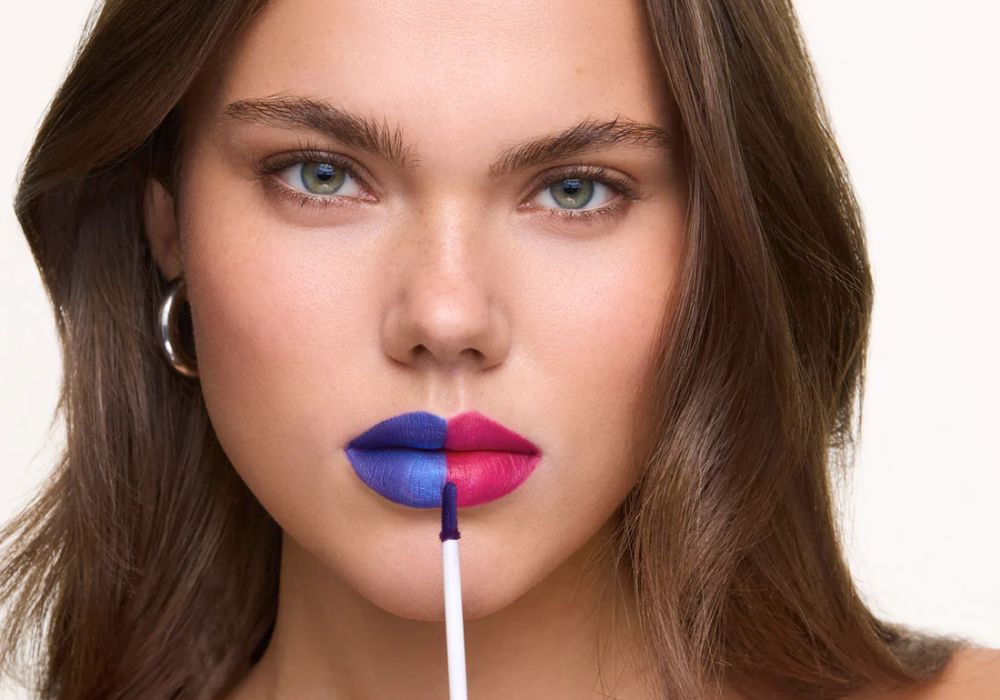
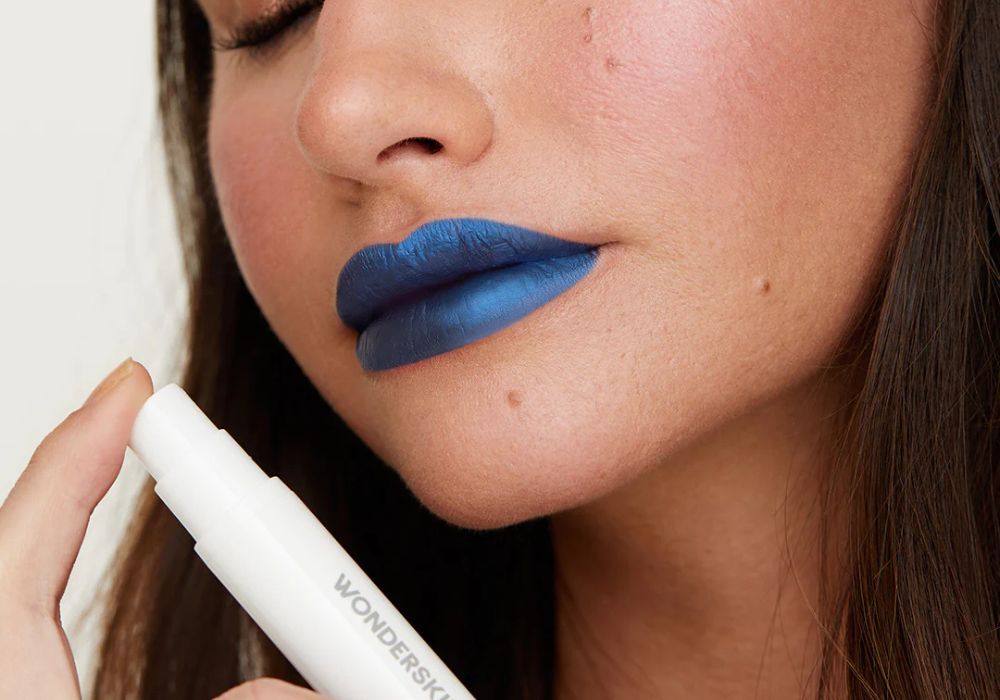
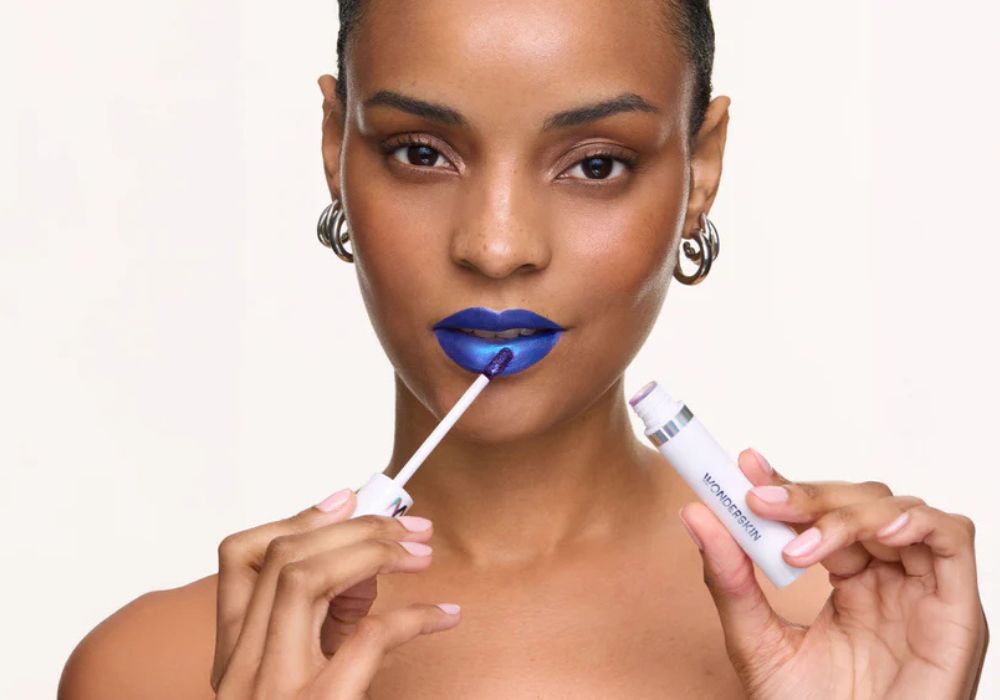
The blue goo looked like a science experiment gone wrong. Metallic, electric, unnatural. I watched as my husband Michael painted it across his lips, and I thought, “What have we done?”
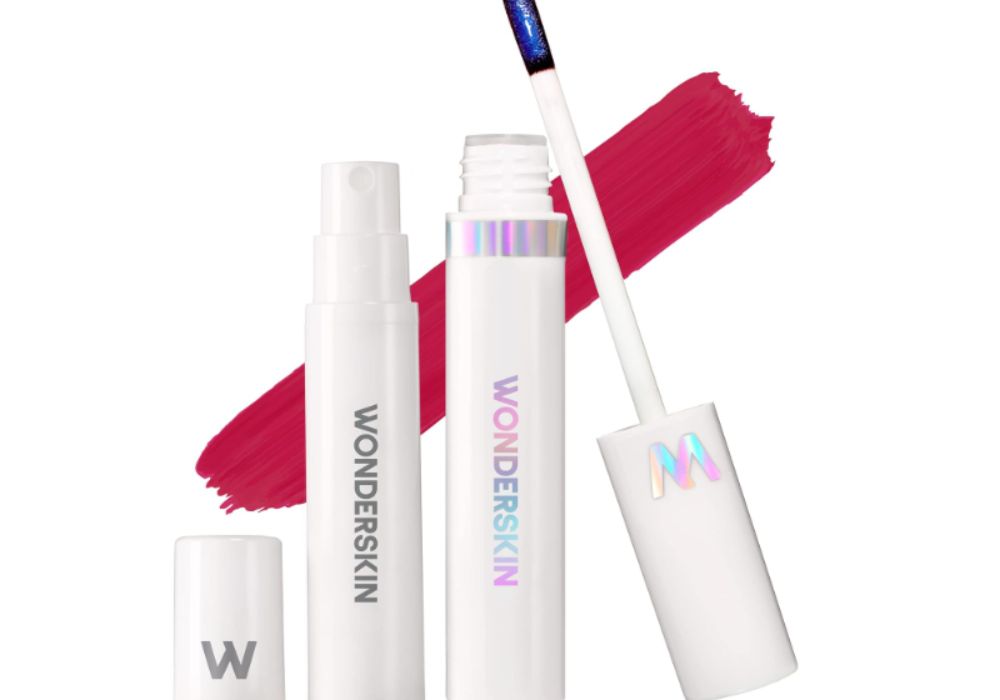
It was 2020. The world was locked down. Salons were shuttered. And we were sitting in our London home, staring at a formula we had spent months developing in our own lab — a peel-off lip stain that went on blue and revealed a long-lasting tint underneath. It was strange. It was bold. It was, frankly, a little terrifying.
“We knew we had something different. But different doesn’t mean successful. Different just means… different.”
We launched it quietly. No big PR push. No celebrity endorsements. Just a product, a website, and a hope.
Then, something happened. A creator posted a video of the reveal — that moment when the blue masque peeled away to reveal a perfect, long-lasting stain. The comments exploded. “Wait, what IS that?” “I need this.” “How does it work?”
Within weeks, that single product had racked up over one billion views across social media . By 2025, we had sold over 7.5 million units globally . One lip stain was selling every five seconds on TikTok Shop . And our annual revenue hit $125 million — up from virtually nothing just four years earlier .
But here’s what nobody tells you about going viral: It’s terrifying. Because once you have the world’s attention, you have about five seconds to prove you deserve to keep it.
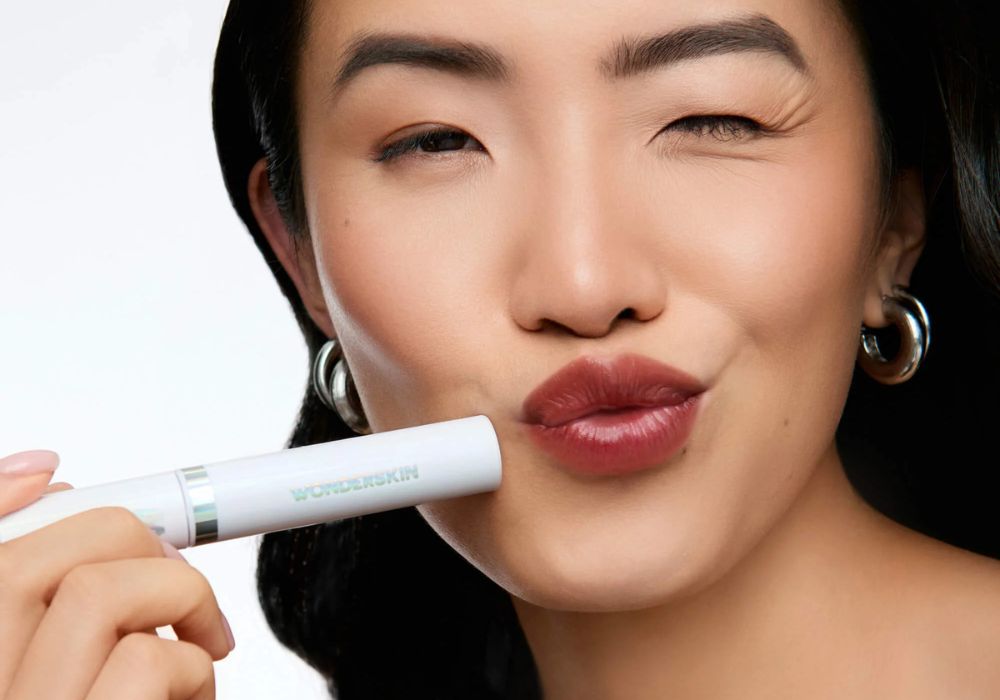
Wonderskin didn’t become a beauty industry success by accident. This case study explores how a single viral lip stain helped build a $125 million brand, the marketing strategies behind its explosive growth, and the lessons entrepreneurs can apply to their own businesses.
continue reading English