0

Month: November 2026

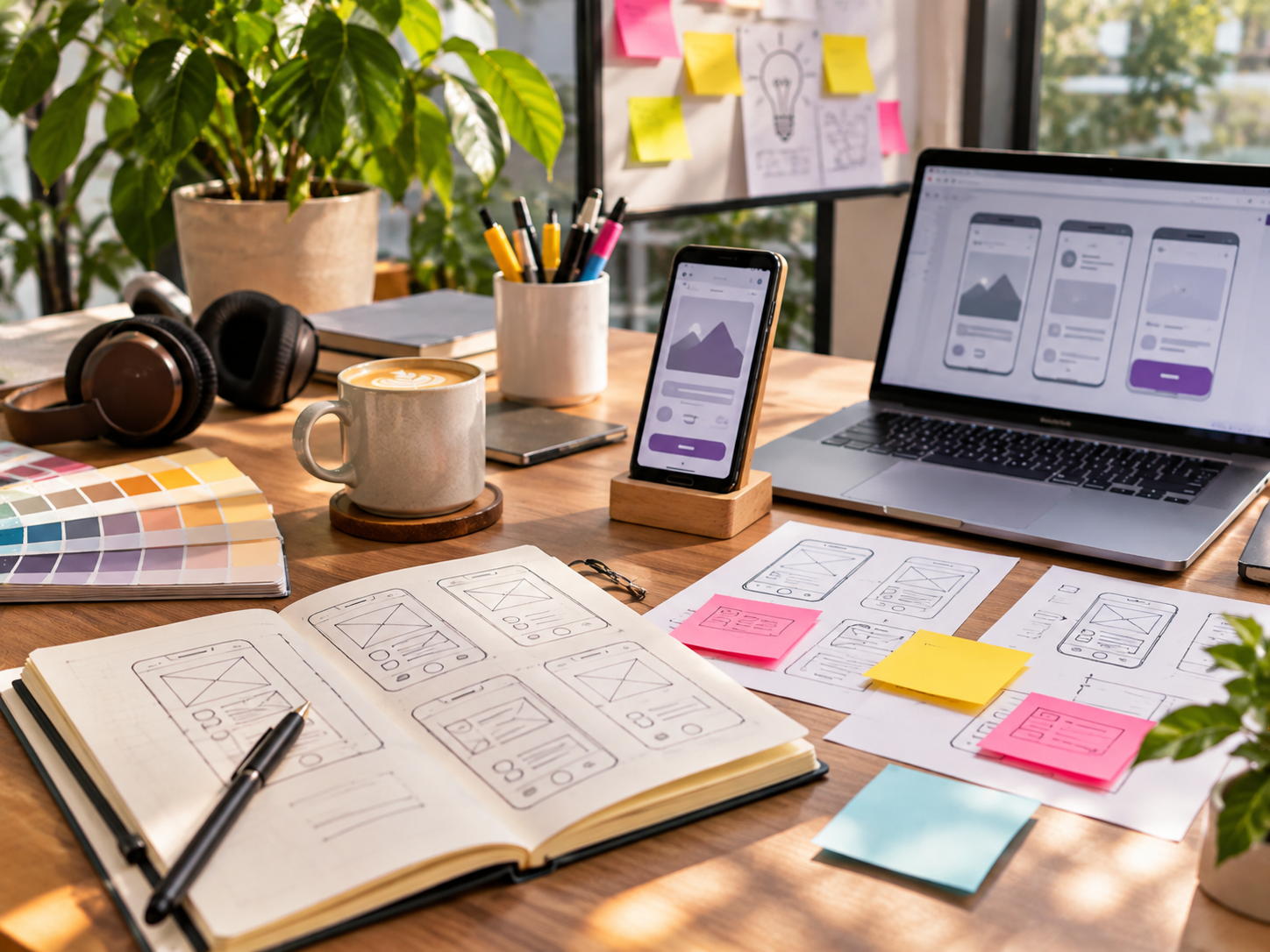
Creative workspace featuring paper wireframes, digital app prototypes, a laptop, and a smartphone illustrating how to prototype a business idea.

How to Prototype a Business Idea Before You Build

Bringing a groundbreaking idea to life can feel daunting. You may hesitate to take the next step because you’re unsure how to validate the concept without taking on significant risk. Prototyping offers a practical way out: it lets you test and refine an idea before full-scale development.

Prototyping is not about endless PowerPoint slides or wordy business plans. It is about creating something tangible that brings your concept to life—so stakeholders can touch, see, and experience your vision. A good prototype also tells a story: how your innovation solves a problem, fills a market gap, or improves people’s lives.

This guide explores why prototypes matter, the different types available, how to design them for demonstration, and what can go wrong. It also highlights real examples of entrepreneurs who used prototypes to validate demand and attract attention.

Startup team reviewing a mobile app prototype, discussing design features, and gathering feedback before product development.
continue reading
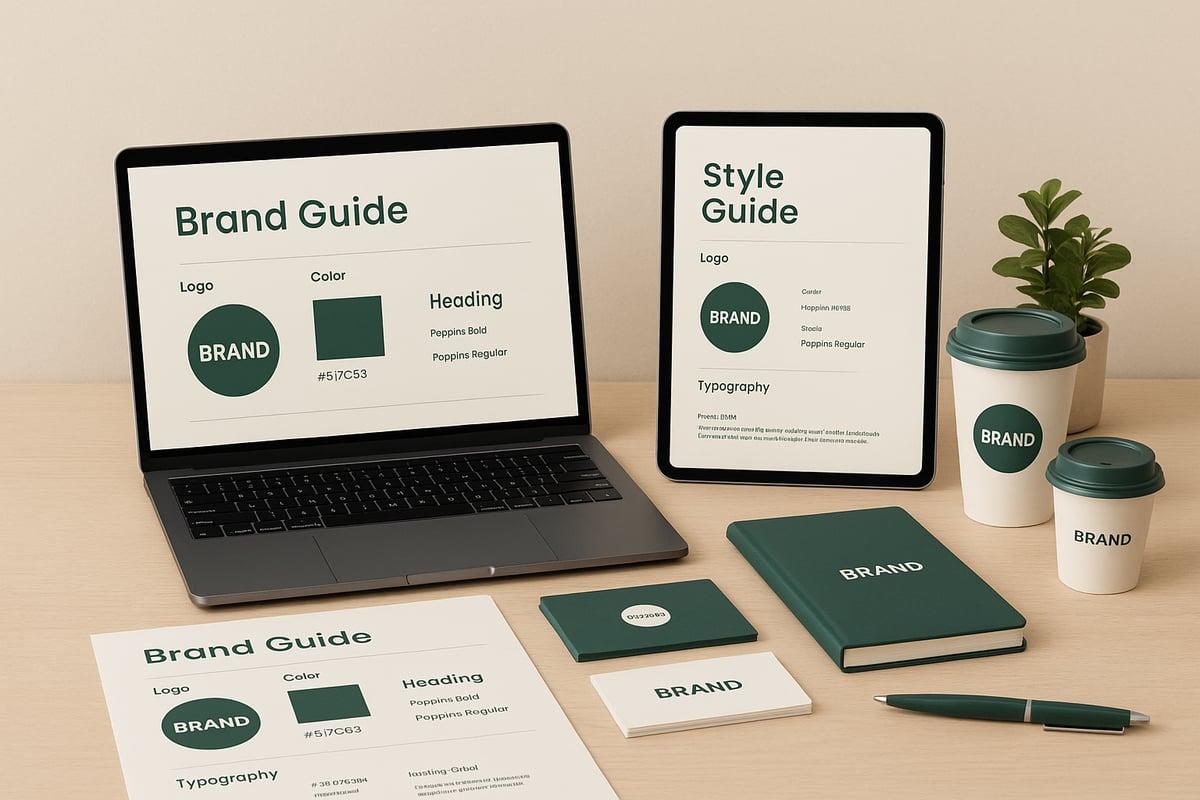
Completed digital brand style guide displayed on a laptop with logo designs, brand colors, typography, and coordinated visual identity materials.

How to Create a Brand Guide in One Weekend

How to create a brand guide is something every business owner should understand, especially when inconsistent branding starts affecting how customers perceive their business.

Imagine you’re sitting in a pre-op room, waiting for a complex surgery. You’re nervous. You trust the hospital’s reputation. Then the door opens. Your surgeon walks in wearing a stained t-shirt and sweatpants that are slightly too short. Their hair is unkempt. They’re holding a coffee cup that looks like it was fished out of a trash bin.

Logically, you know clothes don’t affect surgical skill. But in that moment, logic fails. Your brain screams: Run.

We instinctively link appearance with competence. When visual cues don’t match our expectations of professionalism, trust evaporates instantly.

Now apply this to your business. You might offer the best consulting service or the most durable product in your city. But if your website looks broken, your emails use five different fonts, and your logo is a blurry pixelated image, you become the surgeon in the sweatpants.

Psychologists call this the Trust Gap—the distance between the actual quality of your product and the perceived quality of your brand visuals. Research shows that 75% of users judge a company’s credibility based on visual design alone. Three out of every four people will decide if they trust you before reading a single word of your copy.

This guide is your solution to the Trust Gap. Over the course of a weekend, you can build a Brand Kit—a pilot’s pre-flight checklist for your business communication. It ensures every Instagram post, invoice, and slide deck looks like it came from a trusted professional.

Let’s build it.

brand guide
continue reading
Flamingo Estate: The Garden That Became a Luxury HouseFlamingo Estate: The Garden That Became a Luxury HouseFlamingo Estate: The Garden That Became a Luxury HouseFlamingo Estate: The Garden That Became a Luxury HouseFlamingo Estate: The Garden That Became a Luxury HouseFlamingo Estate: The Garden That Became a Luxury HouseFlamingo Estate: The Garden That Became a Luxury HouseFlamingo Estate: The Garden That Became a Luxury HouseFlamingo Estate: The Garden That Became a Luxury House

Flamingo Estate: The Garden That Became a Luxury House

The Flamingo Estate business strategy began with a problem that had nothing to do with luxury: a farmer who needed to sell her vegetables.

The parking lot smelled like cardboard and cilantro. I was standing next to Aaron, my partner and the creative director of everything we make, and a farmer named Dani, who had tears in her eyes because the restaurants that bought her vegetables had closed in a single week. We had borrowed a hand truck from the bookstore. We had a stack of flat-packed boxes printed with a flamingo. We thought we might sell twenty-five. [reconstructed]

We sold a hundred. The next week, three hundred. We hired drivers. We filled a warehouse. One farm became ten, then a hundred and fifty CNBC, Aug. 6, 2025. I had spent two decades building campaigns for Hermès and Cartier, and I had never seen a number move like that. Not because we were clever. Because people needed vegetables, and we had a way to get them there. [reconstructed]

That was March 2020. I did not know then that the boxes would become a candle company, and the candle company would become a garden that sells luxury.

continue reading
Creative professional wearing headphones and working on a laptop in an organized home office with visual planners and colorful sticky notes.

ADHD Productivity Strategies: Work With Your Brain

ADHD productivity strategies work best when they account for how you manage attention, motivation, time, and everyday tasks.

You might have a mind full of ideas but struggle to finish something as simple as replying to an email. Maybe you’ve downloaded productivity apps, tried rigid morning routines, and created detailed to-do lists—only to abandon them after a few days.

It can be frustrating, especially when the advice that seems to work for everyone else doesn’t fit your experience.

The problem may be the system you’re trying to follow.

ADHD can affect executive functions such as planning, working memory, task initiation, and emotional regulation. These challenges can make conventional productivity methods difficult to maintain.

But productivity doesn’t have to mean forcing yourself into someone else’s routine.

With the right tools, you can reduce unnecessary friction, create more flexible structures, and develop habits that support your goals.

In this guide, we’ll explore practical ADHD productivity strategies for organizing your environment, managing time, building sustainable habits, and working more effectively with your individual needs.

Creative professional brainstorming ideas at a home office desk with visual reminders, task checklists, and time management tools representing ADHD productivity strategies.
CONTINUE READING
en_USEnglish