Table of Contents
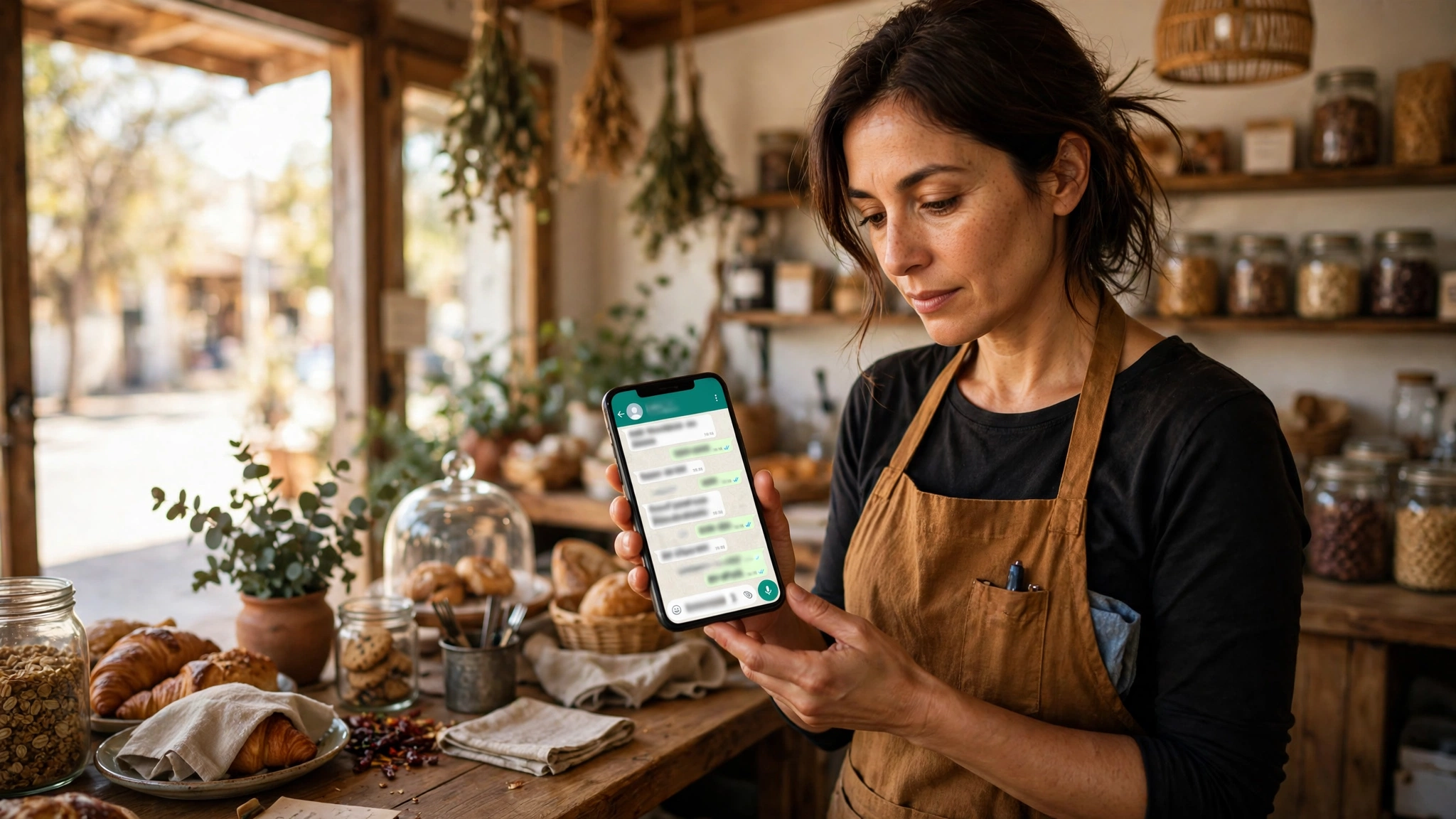
For many small businesses, WhatsApp is already where the selling happens. A customer sees a post, sends a message, asks the price, and pays — without ever visiting a website. For a lot of businesses in Nigeria, and for a growing number in the United States, it is the shop.
WhatsApp marketing is turning that habit into a system: a profile that answers questions before they are asked, a catalogue people can browse, replies that come back fast, and follow-up that does not depend on your memory. Done well, it feels like good service. Done badly, it feels like spam.
This guide starts with the free WhatsApp Business app, then covers the paid Platform, what it costs, and what changed in 2026. No case study is invented here. The numbers used are the ones that could be checked — including one famous number that does not survive checking.
CONTINUE READING English