0

Tag: product positioning

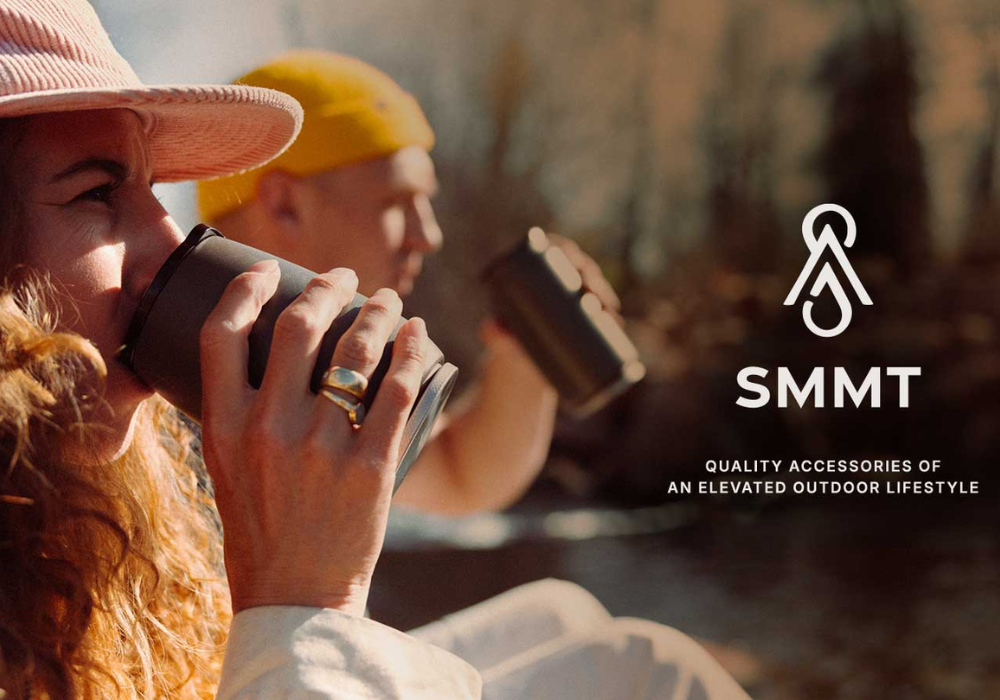
Brand Positioning: How SMMT Outdoor Built a Lifestyle BrandBrand Positioning: How SMMT Outdoor Built a Lifestyle BrandBrand Positioning: How SMMT Outdoor Built a Lifestyle BrandBrand Positioning: How SMMT Outdoor Built a Lifestyle BrandBrand Positioning: How SMMT Outdoor Built a Lifestyle Brand

Brand Positioning: How SMMT Outdoor Built a Lifestyle Brand

Brand positioning is often where crowded categories are won or lost. When you’re selling a product that already has dozens of recognizable competitors, simply making another version isn’t enough. Customers need a reason to remember why yours exists.

SMMT Outdoor entered one of those crowded categories with a different question.

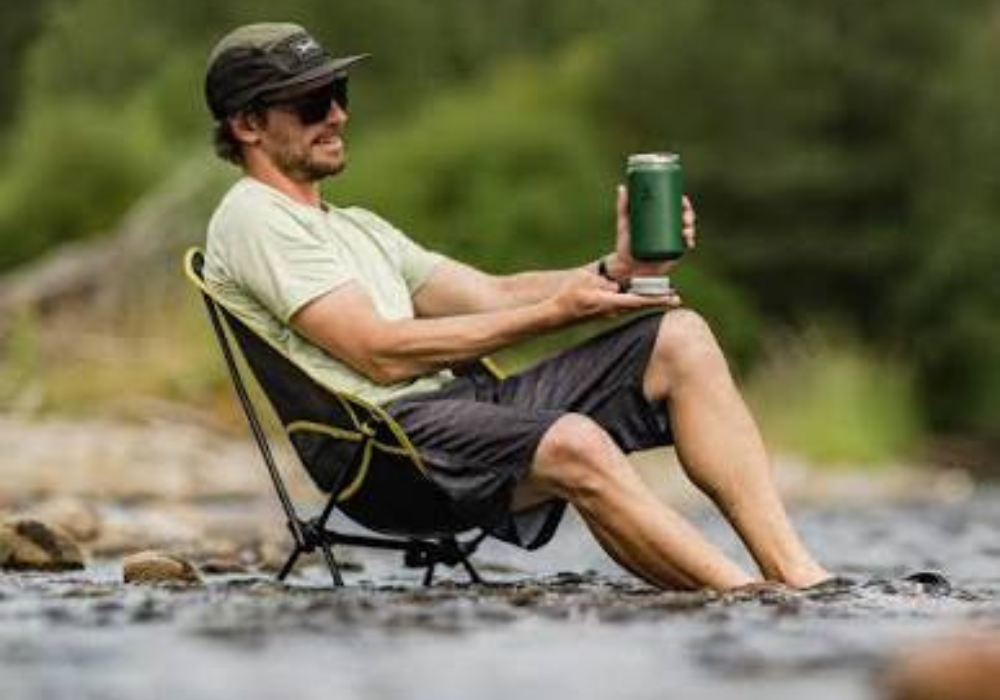
Instead of building another outdoor brand around performance, speed, or the next summit, founders Jamie and Michelle Parker built around what happens afterward—the pause, the gathering, the drink, the sunset, and the moments that make the experience worth remembering.

Their philosophy is captured in a simple line: “What Comes After is Earned.”

The Parkers brought decades of experience from Nike, international travel, outdoor culture, and brand development into a company rooted in Park City, Utah. But SMMT’s story isn’t simply about two former Nike executives launching an outdoor brand.

It’s about how a small, self-funded company can use brand positioning, product design, geography, scarcity, partnerships, and storytelling to create distinction in a category already dominated by much larger names.

SMMT also offers an interesting lesson in restraint. Rather than chasing every possible customer or building an enormous operation, the Parkers have built around a specific lifestyle and community while keeping the business founder-led.

So what can other founders learn from that approach?

This case study looks at how SMMT Outdoor built its identity, where its strategy has evolved, the constraints that shape the business, and the branding decisions that other founders can apply to their own companies.

continue reading

RYZE Mushroom Coffee Case Study: How a Functional Mushroom Brand Scaled to MillionsRYZE Mushroom Coffee Case Study: How a Functional Mushroom Brand Scaled to MillionsRYZE Mushroom Coffee Case Study: How a Functional Mushroom Brand Scaled to MillionsRYZE Mushroom Coffee Case Study: How a Functional Mushroom Brand Scaled to MillionsRYZE Mushroom Coffee Case Study: How a Functional Mushroom Brand Scaled to MillionsRYZE Mushroom Coffee Case Study: How a Functional Mushroom Brand Scaled to MillionsRYZE Mushroom Coffee Case Study: How a Functional Mushroom Brand Scaled to Millions

RYZE Mushroom Coffee Case Study: How a Functional Mushroom Brand Scaled to Millions

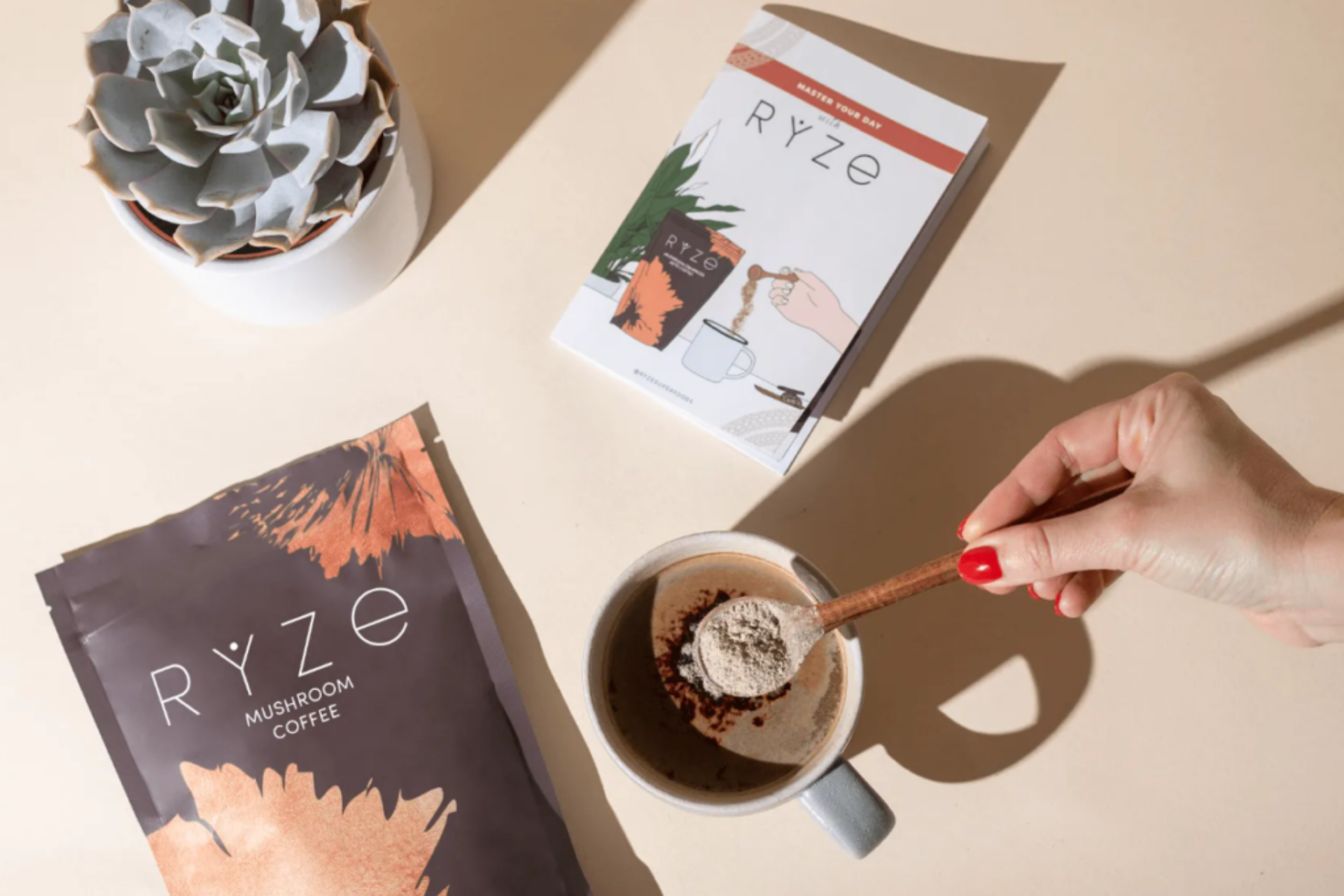
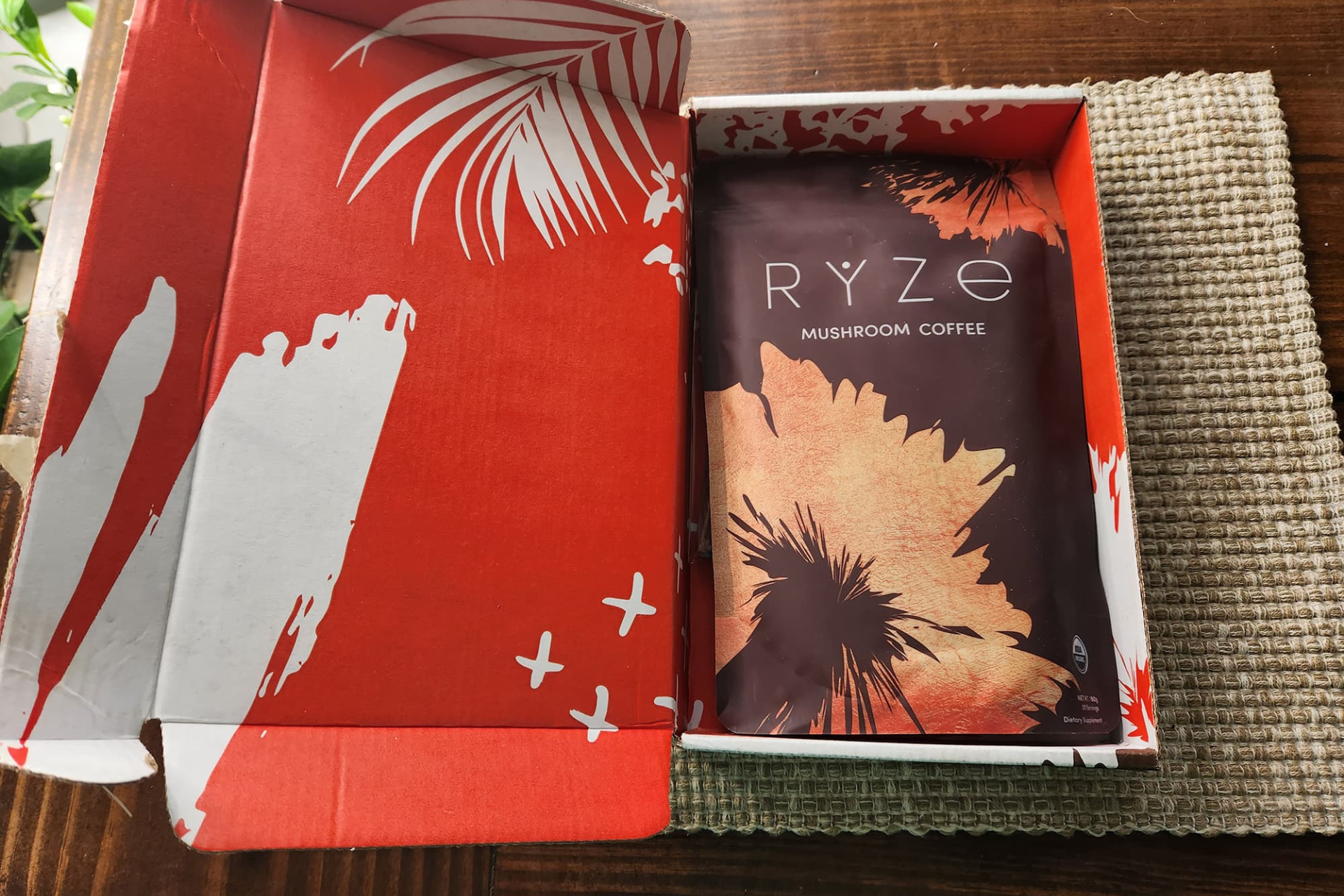
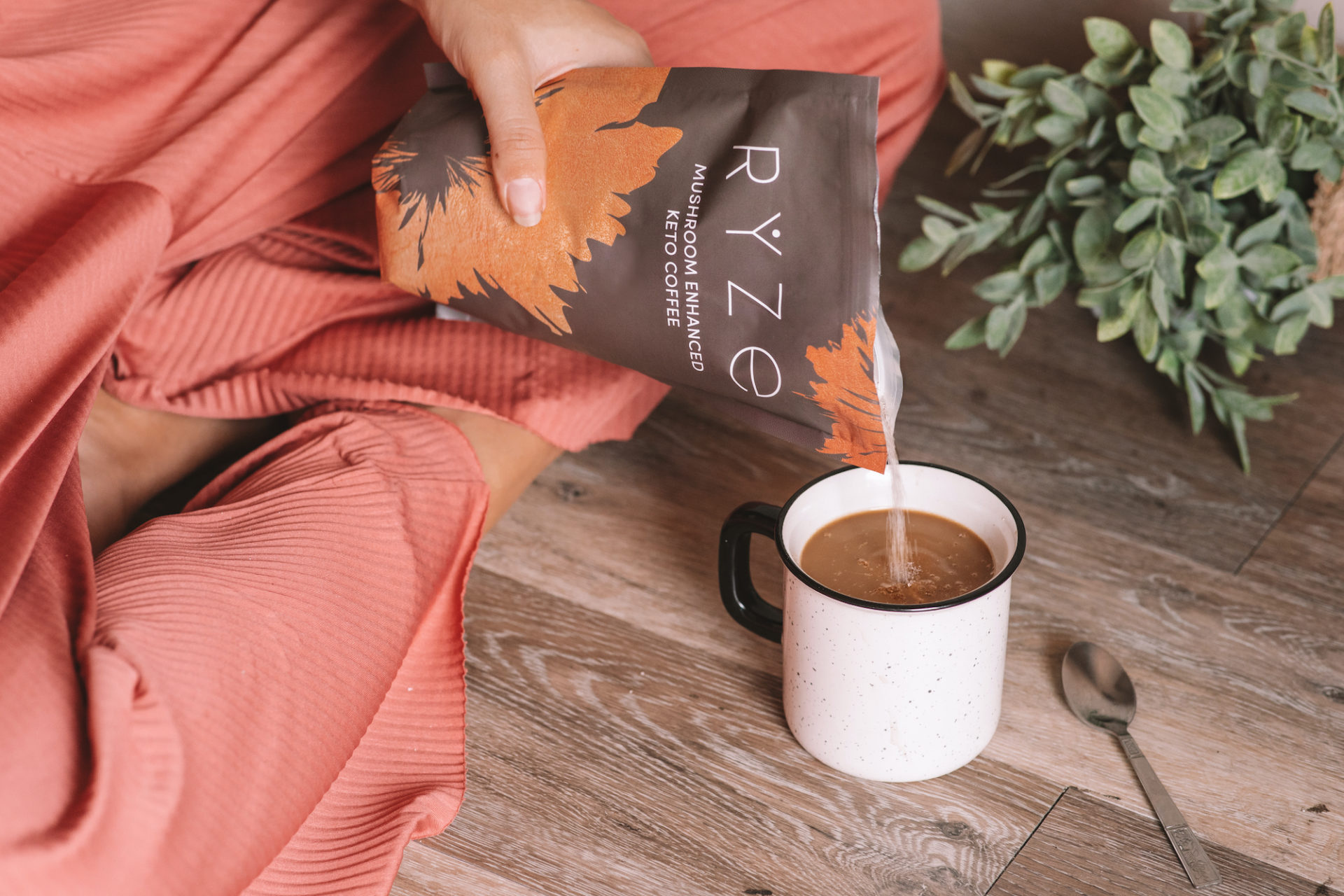
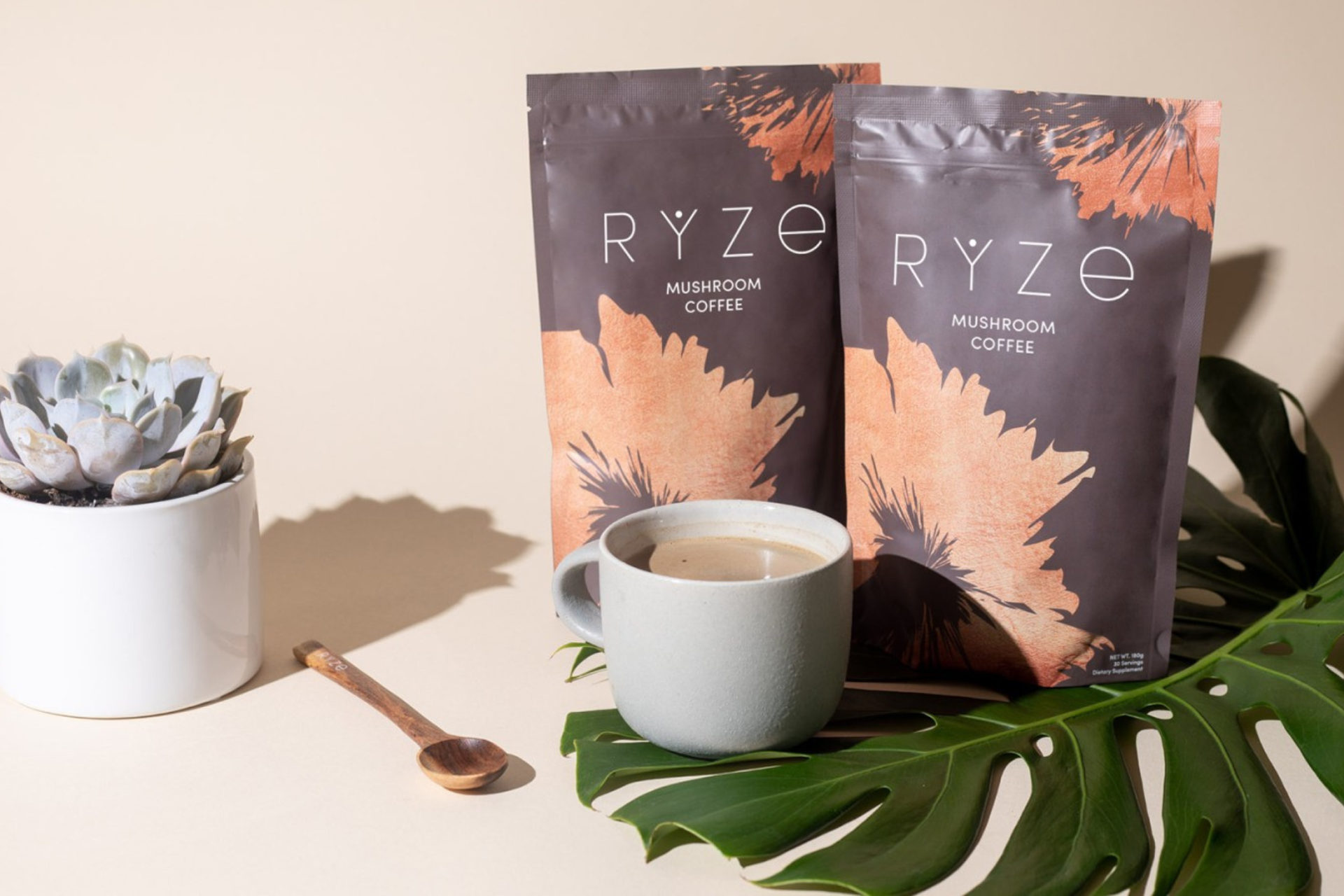
RYZE Mushroom Coffee Case Study — What does it take to transform an overlooked wellness ingredient into a multimillion-dollar consumer brand? The journey of RYZE Mushroom Coffee offers a compelling answer.

Founded by Andrée Werner and former UFC champion Rashad Evans, RYZE entered a crowded coffee market with a bold mission: make functional mushrooms accessible, trustworthy, and enjoyable for everyday consumers. Instead of competing on caffeine alone, the company built its reputation around premium ingredients, transparency, and a subscription-first business model.

In this case study, you’ll discover how RYZE validated its market, built customer trust, leveraged influencer marketing, overcame supply chain challenges, and grew into one of the most recognized mushroom coffee brands. Whether you’re a founder, marketer, or eCommerce entrepreneur, there are valuable lessons you can apply to your own business.

continue reading
en_USEnglish