0

Author: David Munachi

Local business attracting customers through Google Maps and online visibility

Google Business Profiles: How to Boost Visibility and Grow Your Local Business

Your small coffee shop sits nestled on a busy downtown street. Every day, hundreds of potential customers walk by, searching on their phones for the perfect place to grab their morning brew. Without a Google Business Profile, these searchers might never find you—even if you’re just steps away.

A Google Business Profile puts your business on the map—literally. This free tool helps you show up when nearby customers search for businesses like yours on Google Search and Google Maps. Recent data shows that 46% of all Google searches are looking for local information, making this tool vital for capturing customer attention.

Yet countless businesses miss out on these opportunities because they either don’t have a profile or haven’t optimized it properly. The good news is that creating and optimizing a Google Business Profile doesn’t require advanced marketing skills or a big budget. It requires the right strategies.

google business profile: Local business owner managing a Google Business Profile on a smartphone
continue reading
Environment designed to make healthy habits easier to maintain

Habit Formation Without Willpower: Build Routines That Last

Habit formation becomes much easier when you stop expecting willpower to carry you through every difficult day.

You’ve probably tried many times to build a new routine. You bought the planner. You set the alarm. You promised yourself that this time would be different. And when you inevitably stopped, you blamed yourself—assuming you lacked discipline, drive, or character.

But the truth is entirely counterintuitive: trying harder and relying on more discipline is actually the cause of your failure, not the solution.

Your failure to stick to a routine has nothing to do with a lack of personal strength. It’s simply a flawed reliance on willpower. Willpower is designed for short-term emergencies, not long-term consistency. When you try to force behavioral change through sheer effort, you fight against your biology.

This guide offers a mechanical, systems-based solution instead of standard motivational advice. You’ll learn to engineer a life where your desired actions happen on autopilot.

habit formation: Person maintaining a simple routine on a low-energy day
continue reading
Sell Before You Build: How Gil Hildebrand Pre-Sold SubscribrSell Before You Build: How Gil Hildebrand Pre-Sold SubscribrSell Before You Build: How Gil Hildebrand Pre-Sold SubscribrSell Before You Build: How Gil Hildebrand Pre-Sold SubscribrSell Before You Build: How Gil Hildebrand Pre-Sold Subscribr

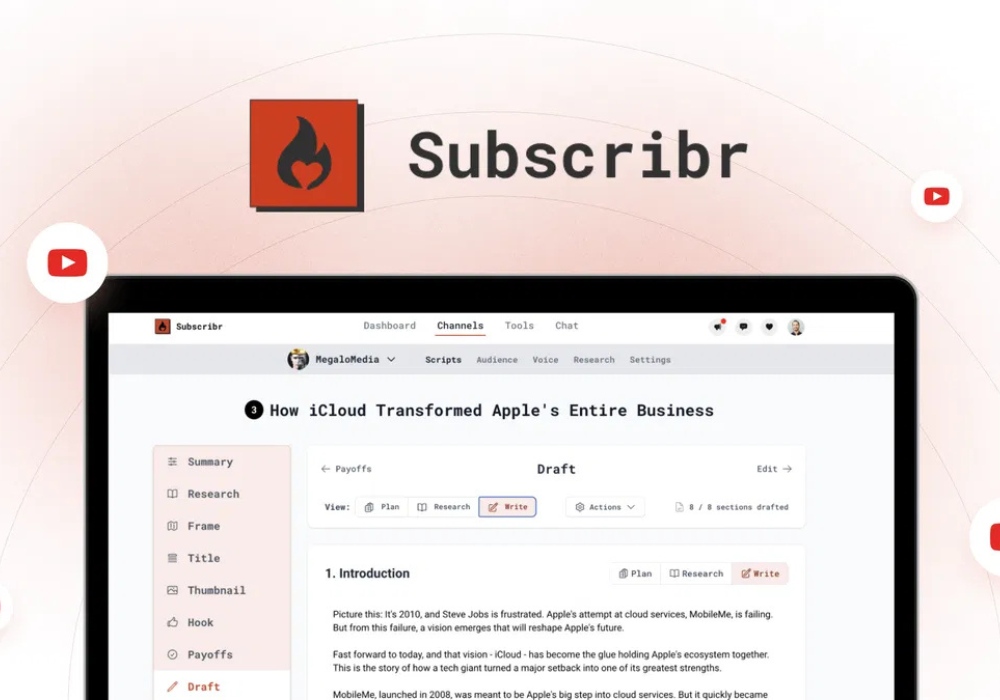
Sell Before You Build: How Gil Hildebrand Pre-Sold Subscribr

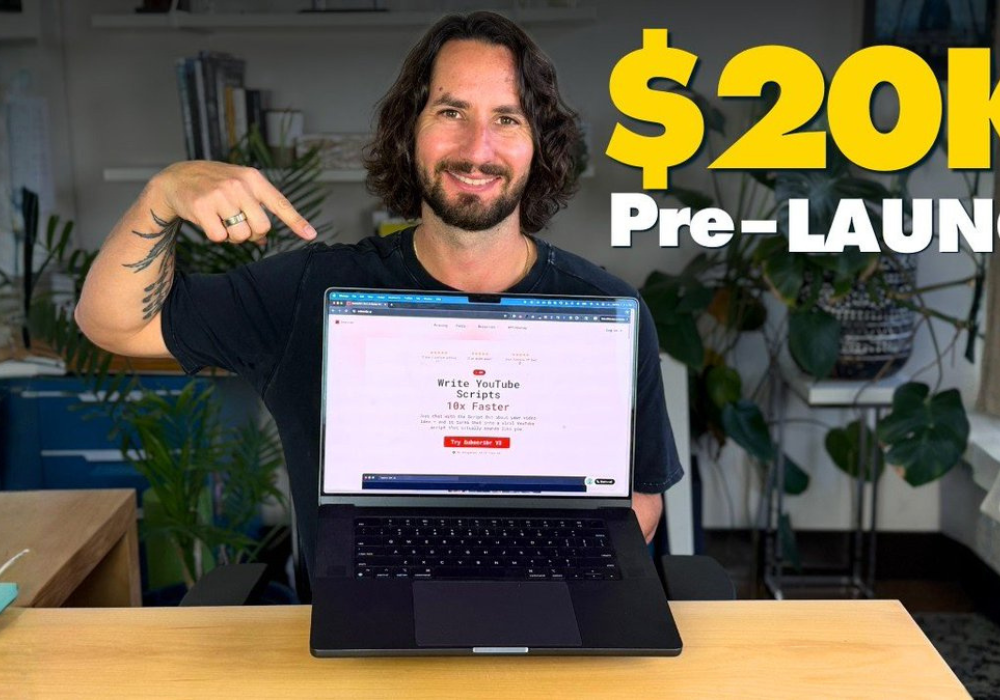
Sell before you build. It sounds backwards until you see what Gil Hildebrand did with Subscribr.

He sold 50 lifetime licenses to software that did not exist yet. The first ten were offered at one price, the next ten at a higher price, and the next ten higher again. The entire batch sold within two to three days and generated roughly $20,000, according to Startup Storys.

The deal came with a 60-day delivery promise, plus a full refund option before delivery and for two weeks afterward. In other words, Hildebrand wasn’t simply collecting money from people who liked the idea. He was creating a financial commitment around a product that still had to earn its way into existence.

That distinction matters.

Hildebrand had already spent months building an audience around the problem he wanted to solve. He analyzed more than 400 YouTube videos, published what he learned, built a free YouTube video analyzer, grew an email list, communicated with potential customers, and spoke directly with people who might eventually buy the product.

Only after that groundwork did he ask people to pay.

His philosophy, recorded in an Indie Hackers interview and reported by Startup Storys, was straightforward: validation comes from paying customers, not from likes or buzz.

Subscribr became a useful case study in what can happen when a founder chooses to sell before building. The pre-sale provided capital, but more importantly, it provided evidence that a specific group of people had a problem they were willing to pay to solve.

This is the part of the story worth studying.

The lesson isn’t simply that founders should launch lifetime deals or copy a $20,000 pre-sale. The more valuable lesson is the sequence that made the pre-sale possible: find the problem, create useful proof, build trust, develop an audience, test willingness to pay, and only then commit significant time and money to the product.

Here’s how Gil Hildebrand did it — and what founders can take from the strategy.

continue reading

en_USEnglish