0

Month: October 2026

Writer editing AI-generated content to make it sound more human

Humanize AI Copy: How to Make AI Writing Sound Human

To humanize AI copy, you have to do more than replace a few robotic words with casual ones.

Here’s the uncomfortable truth about the current state of writing: speed is now a commodity.

For centuries, the ability to produce clean, grammatically correct text quickly was a rare and valuable skill. Today, anyone with an internet connection can generate 5,000 words of coherent prose in the time it takes to sip a coffee.

This shift has terrified many writers, but it also reveals a fundamental misunderstanding of where value actually comes from.

When more content becomes cheap and instant, the value of volume drops. If you try to compete on speed alone, you lose.

The new scarcity isn’t word count.

It is taste.

The writers who thrive in this environment won’t necessarily be the ones who prompt the fastest. They’ll be the ones who edit the deepest—the people who know how to take an AI-generated draft and inject the experience, opinions, rhythm, specificity, and personality that make writing worth reading.

AI is a powerful engine.

But somebody still needs to drive.

Content strategist working with AI to create human-centered content
continue reading
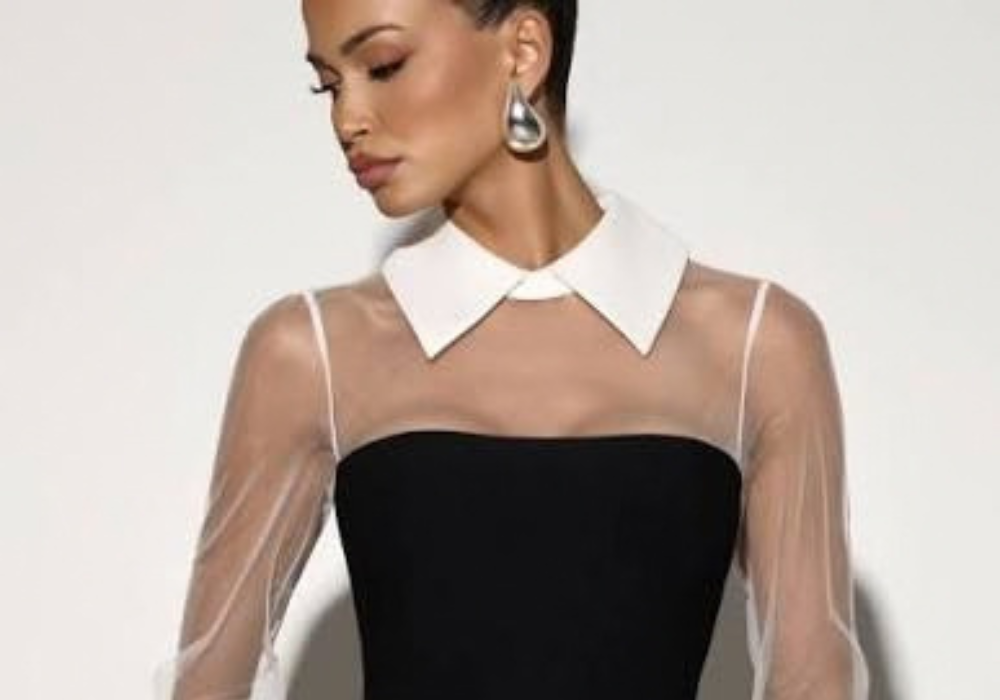
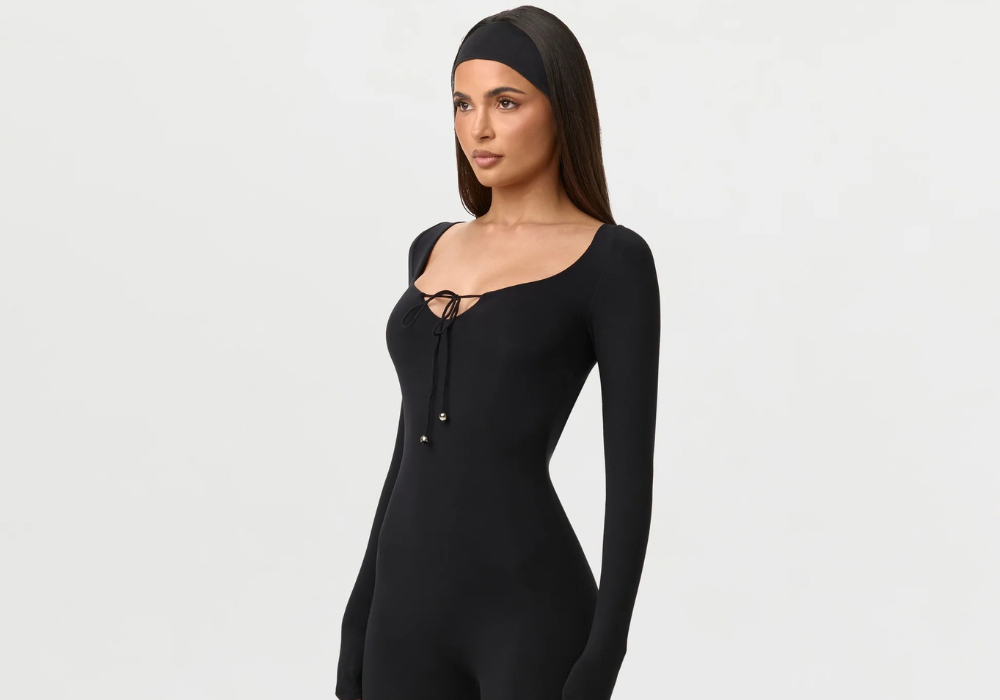
Brand Positioning: How Naked Wardrobe Built a Celebrity Fashion BrandBrand Positioning: How Naked Wardrobe Built a Celebrity Fashion BrandBrand Positioning: How Naked Wardrobe Built a Celebrity Fashion BrandBrand Positioning: How Naked Wardrobe Built a Celebrity Fashion BrandBrand Positioning: How Naked Wardrobe Built a Celebrity Fashion BrandBrand Positioning: How Naked Wardrobe Built a Celebrity Fashion Brand

Brand Positioning: How Naked Wardrobe Built a Celebrity Fashion Brand

Brand positioning can turn a small fashion company into something people recognize, remember, and want to wear.

But Naked Wardrobe’s story didn’t begin with celebrity endorsements, a huge marketing budget, or a polished fashion empire.

It began with unsold clothes sitting in the living room of the Kaviani sisters’ parents’ home.

Their first attempt at building a fashion company had failed. The website never got off the ground, inventory was left sitting, and the money was gone. Instead of walking away completely, the sisters turned the leftover stock into a living-room sale.

A few years later, they tried again.

This time, they had $7,500.

What followed was a fashion brand built around affordable, body-conscious basics that eventually found its way onto celebrities including the Kardashians, Jennifer Lopez, Lady Gaga, and Beyoncé. And remarkably, the sisters have said much of that celebrity exposure came without paying celebrities to wear the clothes.

But the interesting part of the Naked Wardrobe story isn’t simply that celebrities wore the brand.

It’s how the brand created something worth wearing in the first place, how it used Instagram before many retailers understood its potential, and how it later had to rethink its positioning when the market became crowded.

That makes Naked Wardrobe more than a fashion success story.

It’s a case study in brand positioning, product differentiation, organic marketing, rebranding, and the uncomfortable gap that can appear between brand perception and customer experience.

And that gap may be the most important lesson of all.

continue reading
en_USEnglish