Table of Contents
Bringing a groundbreaking idea to life can feel daunting. You may hesitate to take the next step because you’re unsure how to validate the concept without taking on significant risk. Prototyping offers a practical way out: it lets you test and refine an idea before full-scale development.
Prototyping is not about endless PowerPoint slides or wordy business plans. It is about creating something tangible that brings your concept to life—so stakeholders can touch, see, and experience your vision. A good prototype also tells a story: how your innovation solves a problem, fills a market gap, or improves people’s lives.
This guide explores why prototypes matter, the different types available, how to design them for demonstration, and what can go wrong. It also highlights real examples of entrepreneurs who used prototypes to validate demand and attract attention.

Why Prototyping Matters
Prototypes serve multiple purposes in the entrepreneurial journey. They transform abstract ideas into tangible representations, making it easier for you and others to grasp the concept’s potential. They let you test assumptions and validate feasibility in real-world scenarios. They help you iterate on your design based on feedback and observations. They also work as communication tools, helping you articulate your vision to team members, investors, and potential customers.
By identifying potential issues early, prototypes help you mitigate risks and avoid costly mistakes later. The guide frames prototyping as an ongoing process, not a one-time event.
The Three Levels of Prototype Fidelity
Not all prototypes are created equal. Different stages of a project and different audiences may require different types.
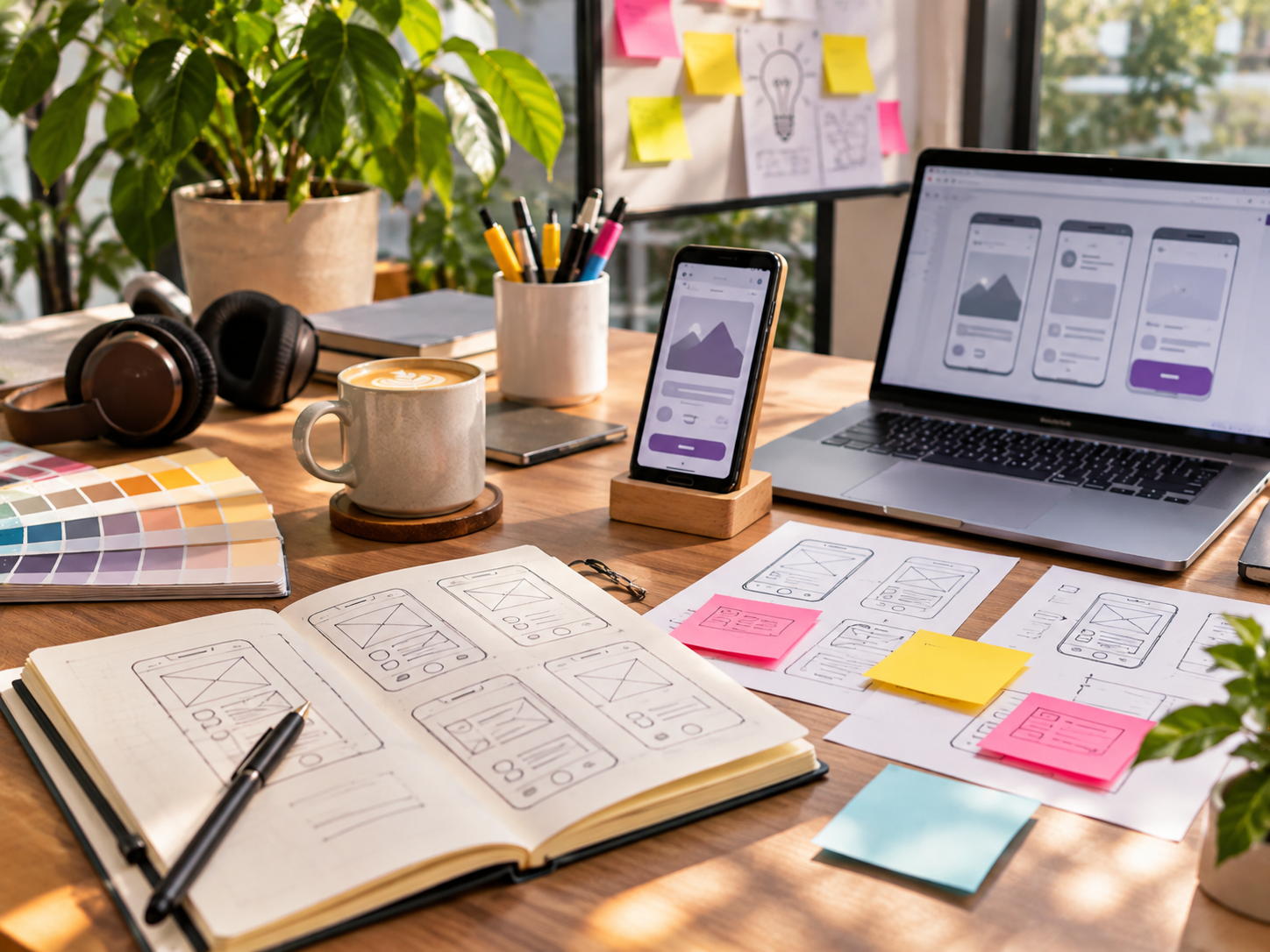
Low-fidelity prototypes are quick, rough representations of your idea, often created with simple materials or basic digital tools. Examples include paper sketches, wireframes, and storyboards. They are best for early-stage ideation and concept testing.
Medium-fidelity prototypes offer more detail and functionality than low-fidelity versions but are still not fully polished. Examples include digital mockups, click-through prototypes, and 3D-printed models. They are useful for demonstrating core features and user flows.
High-fidelity prototypes are the most refined and realistic, often closely resembling the final product in look and functionality. Examples include fully interactive digital prototypes, functional physical prototypes, and beta versions of software. They are best for detailed user testing or final presentations to stakeholders.

Choosing the right type depends on your project stage, audience, time and resources, feedback goals, and the complexity of the idea. Early-stage ideas usually benefit from low-fidelity prototypes. More developed concepts may need higher fidelity. Potential users may engage better with high-fidelity prototypes, while team members can often work effectively with lower-fidelity versions. High-fidelity prototypes typically require more time and resources, so assess whether the benefits justify the investment.
A Simple Prototyping Roadmap
The guide outlines a general process for creating effective prototypes:
- Define your goals. Clearly articulate what you want to achieve. Are you testing functionality, exploring design options, or pitching to investors?
- Identify key features. Determine the core features or aspects of your idea that need to be represented.
- Choose your prototype type. Based on your goals, audience, and resources, select the appropriate fidelity level.
- Create the prototype. Use the appropriate tools and techniques. It does not need to be perfect—the goal is a representative model.
- Test and gather feedback. Put your prototype in front of users, stakeholders, or team members to gather insights and identify areas for improvement.
- Iterate and refine. Use the feedback to improve your prototype. You may create multiple versions as you refine the idea.
- Document learnings. Keep track of insights gained throughout the process. These learnings are invaluable as you move forward.
Designing Prototypes That Communicate Value
Prototype design is more than creating a rough model. It is about crafting a narrative that clearly communicates your unique value proposition. The guide emphasizes three key elements: clarity of concept, user-centric design, and visual appeal.
Clarity of concept: Your prototype must clearly demonstrate the core functionality and unique selling points of your idea. Strip away unnecessary features or complexities that might distract from your main message. Ask yourself: “What is the one thing I want my audience to understand about my concept?” That should be the focal point. The guide gives the example of Jeff Bezos, who did not try to prototype a vast online marketplace for everything from books to electronics. Instead, he focused on a simple website that allowed users to order books online. That focused prototype demonstrated the core concept of e-commerce and paved the way for later expansion.
User-centric design: Even a low-fidelity prototype should consider how your target users will interact with the product or service. This approach makes the prototype more engaging and shows that you have thought deeply about your audience’s needs. Airbnb’s founders initially created a simple website prototype focused on the user experience of booking a stay. They emphasized ease of use and clear communication between hosts and guests—principles that remain core to Airbnb’s platform today.
Visual appeal: A visually appealing prototype can capture attention and leave a lasting impression. It does not need to be a work of art, but it should be clean, organized, and professional-looking. The guide notes that Apple’s prototypes, even in early stages, often feature sleek designs that capture the essence of the brand.
To create an effective prototype, the guide suggests defining the purpose, identifying key features, choosing a method, starting with rough sketches, building the prototype, and then testing and refining it. Options include paper prototypes, digital wireframes, interactive digital prototypes, and physical models.
Real-World Examples from the Guide
The guide includes several examples of prototypes used to validate ideas and communicate value.
Dropbox: Founder Drew Houston faced the challenge of demonstrating a complex, technical cloud storage concept. He created a simple 3-minute screencast showing how Dropbox would work, including easy file syncing across devices. The video prototype went viral, increasing signups from 5,000 to 75,000 overnight. It validated market demand and helped attract investors.
Airbnb: Founders Brian Chesky and Joe Gebbia created a basic website prototype showcasing their apartment and the air mattresses they were offering to conference attendees. The prototype let them validate the idea quickly. They hosted three guests during a design conference, proving that people were willing to pay for this type of accommodation. That early success gave them confidence to pursue the idea further.
Common Prototyping Pitfalls
The guide warns against several common mistakes.
Do not get caught up in creating a perfect prototype. The goal is to test and validate your idea, not to build the final product. Stay open to criticism and be willing to make changes based on feedback. Your prototype is a means to an end, not the end itself—be prepared to discard or significantly modify it if necessary. Even in early prototypes, consider how users will interact with your product or service. Prototyping is iterative, so do not expect to get it right on the first try.
The Prototyping Mindset
Prototyping is a dynamic process that breathes life into ideas. It is not merely about creating a miniature version of a product or a rough sketch of a service. It is a way to test, refine, and perfect ideas before investing significant time and resources.
The guide frames prototyping as a mindset of experimentation, adaptation, and the pursuit of excellence. It helps you think visually and communicate your vision clearly. Whether you are a seasoned entrepreneur or just starting, prototyping can help you turn ideas into reality.
Conclusion
Prototypes turn abstract ideas into tangible experiments. They help you test assumptions, validate feasibility, communicate your vision, uncover issues early, and reduce risk before committing to full-scale development. They come in different levels of fidelity, and the right choice depends on your goals, audience, resources, and stage of development.
The guide’s core lesson is simple: do not wait for perfection. Build a representative version, put it in front of people, learn from the feedback, and refine. Prototyping is an ongoing process—a means to an end, not the end itself.
Find Your Tribe
Building prototypes and testing ideas can feel lonely—especially when you’re iterating without honest feedback or support. Business Builders Circle is a free community of founders and builders who share what’s actually working, with early access to exclusive resource and behind-the-scenes discussions from members. Spots are limited to keep engagement high; founding members get first access, and doors may close temporarily. Now is the time—not someday when your idea feels perfect.
Join Business Builders Circle today—it’s free.
You’ve Tested Your Idea. Now How Will You Reach Your Customers?
A promising prototype is a great starting point. But even a well-designed product needs the right audience, clear positioning, and an effective marketing strategy.
Our free Digital Marketing Ebook explores practical ways to build your online presence, attract potential customers, and turn business ideas into growth opportunities.
Validate the idea. Understand your audience. Build a strategy that helps your business grow.

 English