0

Tag: small business branding

A photorealistic editorial portrait of a small-business founder working in a distinctive independent studio, surrounded by a few carefully chosen brand materials and products

Brand Visibility Strategy: Stop Trying to Be Everywhere

Brand visibility strategy is not about making your business appear on every platform, join every trend, or publish content every day. It is about being present where the right people can discover you, understand what you stand for, and remember you when they need what you offer.

Somewhere along the way, marketing became a competition in who could do the most.

Post on Instagram. Build a TikTok presence. Start a YouTube channel. Write weekly blogs. Send newsletters. Join LinkedIn. Create a podcast. Follow the latest trend. Repurpose everything. Repeat tomorrow.

And if you aren’t doing all of that, someone will probably tell you that you’re leaving money on the table.

But here’s the question nobody asks often enough:

What if trying to be everywhere is making your business harder to remember?

Think about the small business owner managing orders, answering customers, handling finances, improving products, and trying to keep operations running. Now add five social media platforms, a daily content schedule, and the pressure to produce something new every few hours.

Something eventually suffers.

Sometimes it is the quality of the content. Sometimes it is customer service. Sometimes it is the actual business the marketing was supposed to support.

And sometimes, the business spends months building an audience in places that never bring it closer to its goals.

The problem isn’t that businesses need visibility. They do.

The problem is confusing more visibility with better marketing.

brand visibility strategy: A photorealistic scene of a small-business owner reviewing an overloaded marketing calendar on a laptop, with notebooks and scattered planning materials on a desk.
continue reading
Brand Positioning: How SMMT Outdoor Built a Lifestyle BrandBrand Positioning: How SMMT Outdoor Built a Lifestyle BrandBrand Positioning: How SMMT Outdoor Built a Lifestyle BrandBrand Positioning: How SMMT Outdoor Built a Lifestyle BrandBrand Positioning: How SMMT Outdoor Built a Lifestyle Brand

Brand Positioning: How SMMT Outdoor Built a Lifestyle Brand

Brand positioning is often where crowded categories are won or lost. When you’re selling a product that already has dozens of recognizable competitors, simply making another version isn’t enough. Customers need a reason to remember why yours exists.

SMMT Outdoor entered one of those crowded categories with a different question.

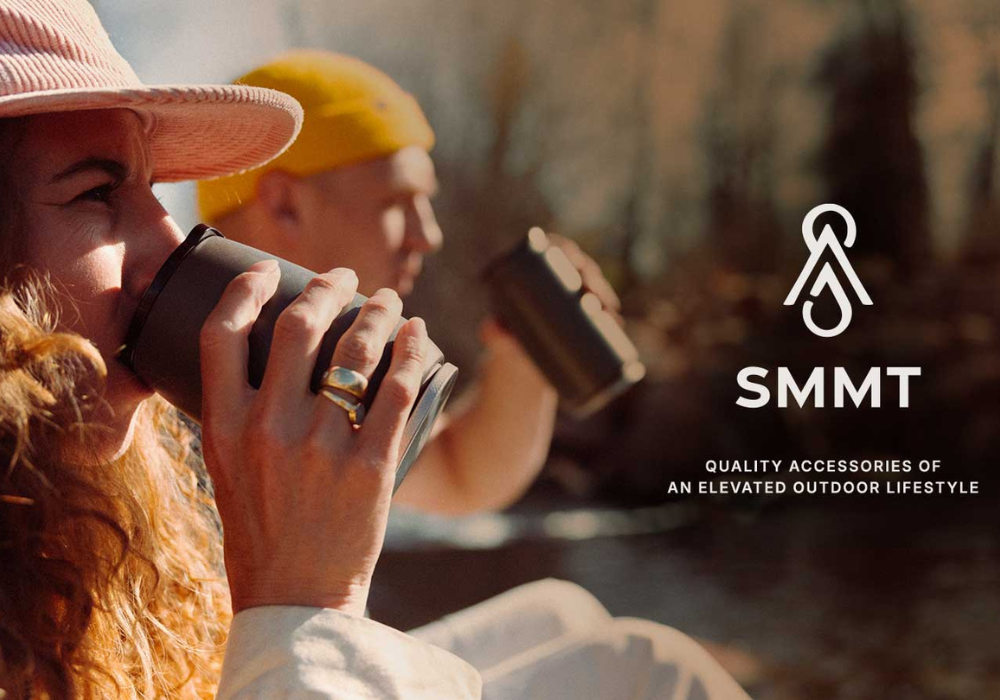
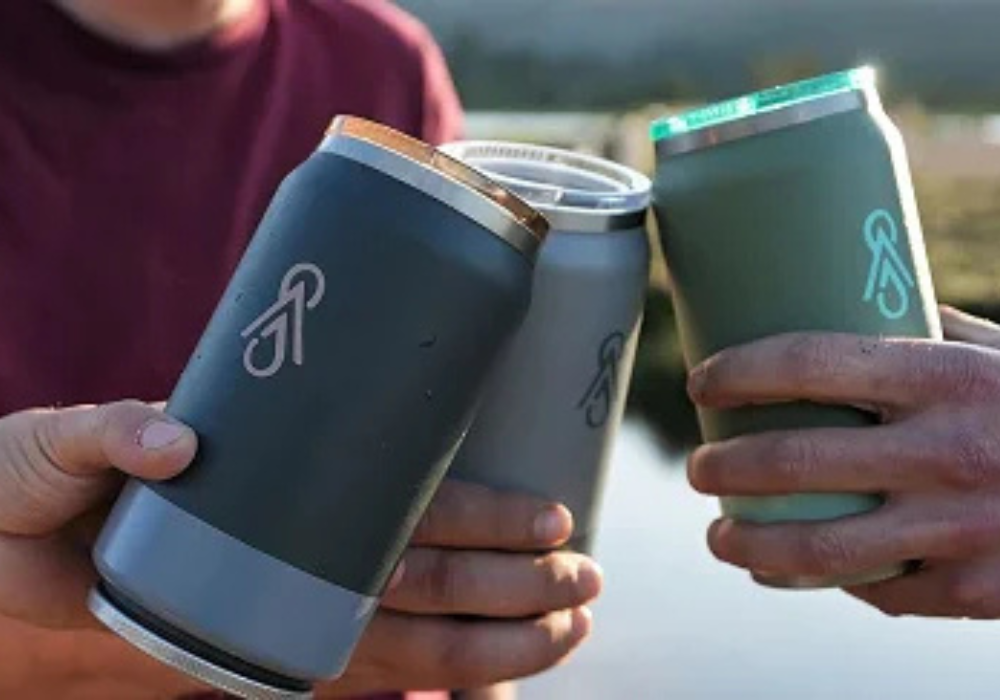
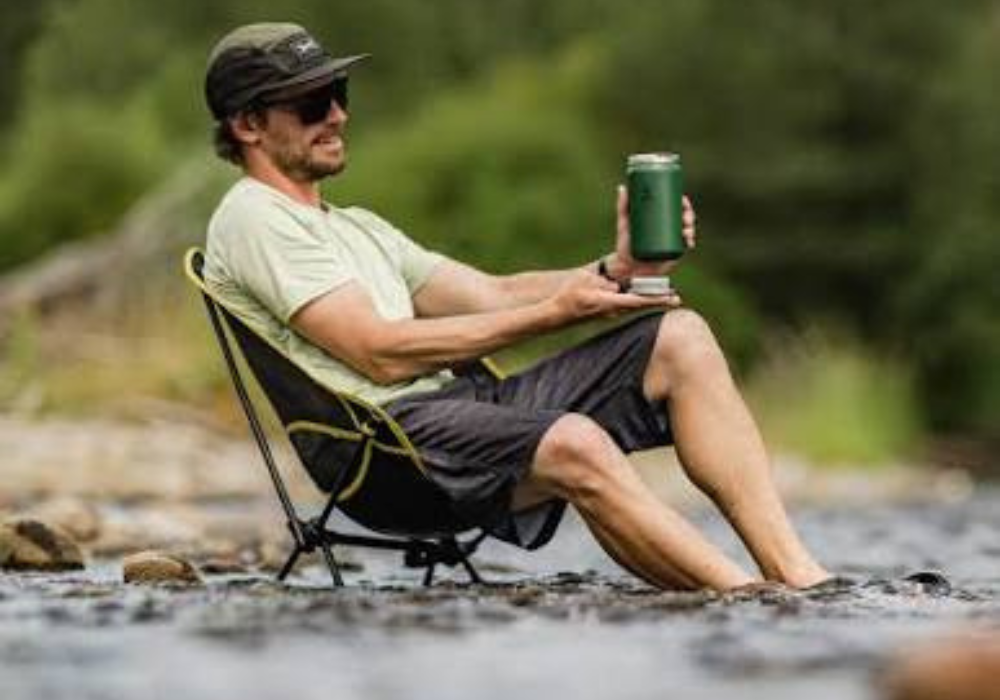
Instead of building another outdoor brand around performance, speed, or the next summit, founders Jamie and Michelle Parker built around what happens afterward—the pause, the gathering, the drink, the sunset, and the moments that make the experience worth remembering.

Their philosophy is captured in a simple line: “What Comes After is Earned.”

The Parkers brought decades of experience from Nike, international travel, outdoor culture, and brand development into a company rooted in Park City, Utah. But SMMT’s story isn’t simply about two former Nike executives launching an outdoor brand.

It’s about how a small, self-funded company can use brand positioning, product design, geography, scarcity, partnerships, and storytelling to create distinction in a category already dominated by much larger names.

SMMT also offers an interesting lesson in restraint. Rather than chasing every possible customer or building an enormous operation, the Parkers have built around a specific lifestyle and community while keeping the business founder-led.

So what can other founders learn from that approach?

This case study looks at how SMMT Outdoor built its identity, where its strategy has evolved, the constraints that shape the business, and the branding decisions that other founders can apply to their own companies.

continue reading
en_USEnglish